A walk through the city
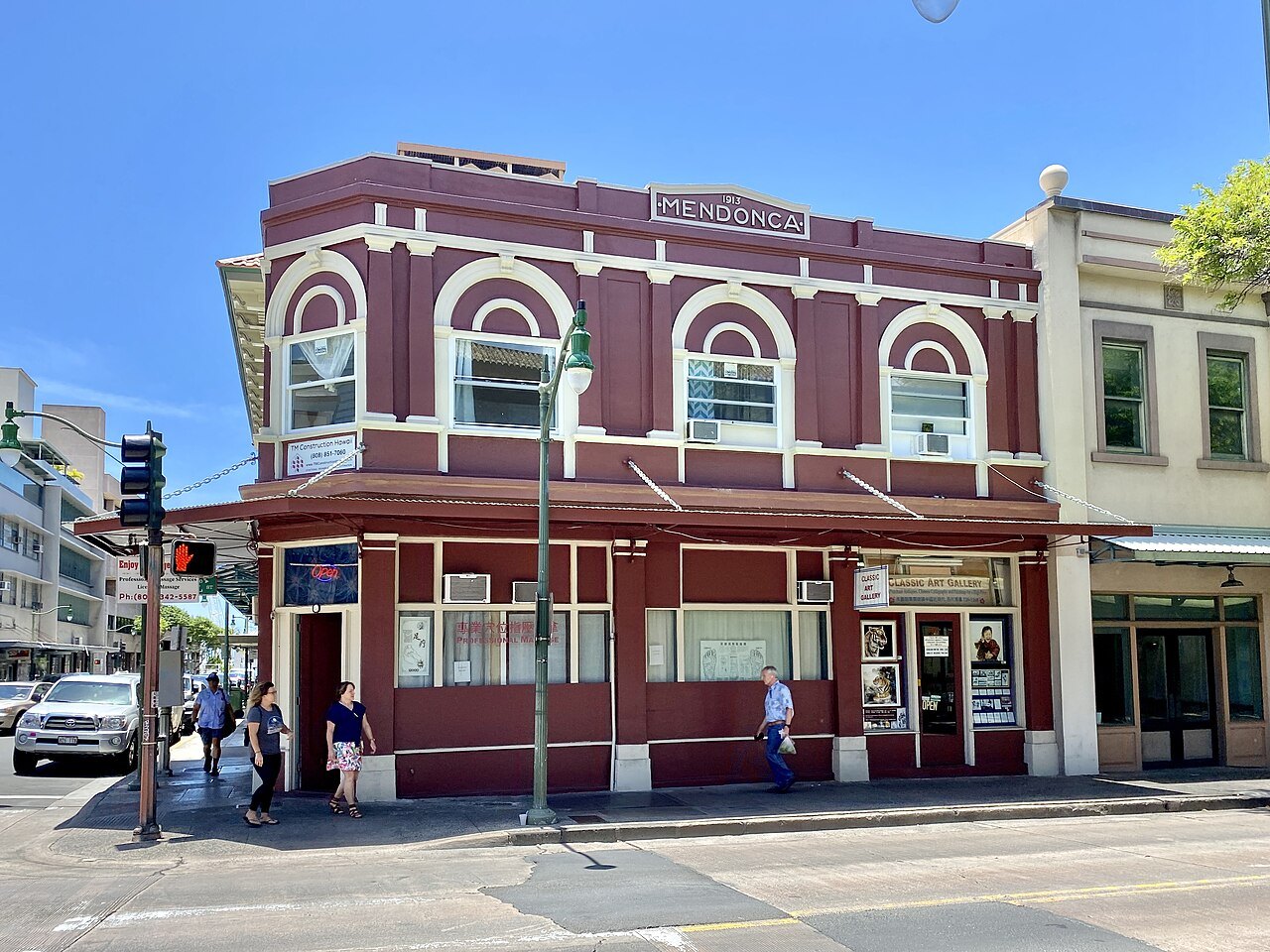
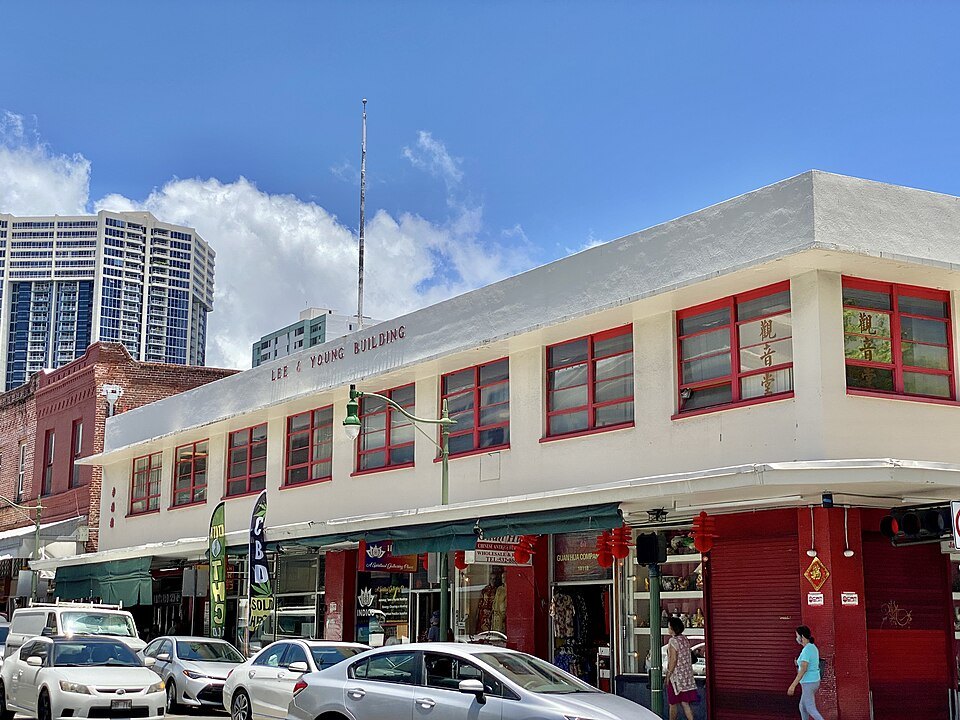
The Mendonca Building, rebuilt after the 1900 fire, on Hotel Streetw_lemay, Wikimedia Commons, CC BY-SA 2.0 stop 1 of 7The old town behind the harbor
Start in Chinatown, one of the oldest in the United States, where laborers who had come to work the sugar plantations set up as merchants. Most of its low buildings date from after January 1900, when a fire set to burn out bubonic plague ran out of control and destroyed most of the neighborhood.
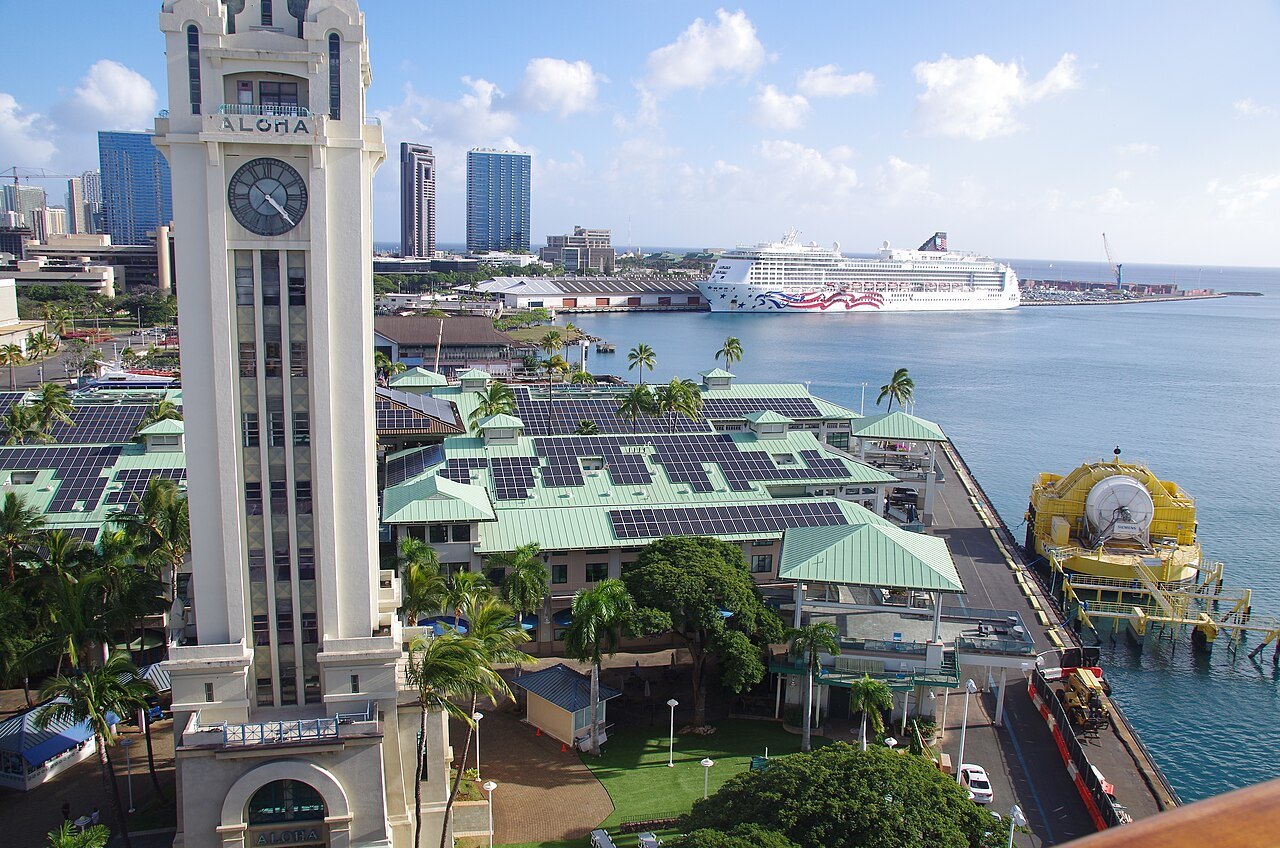
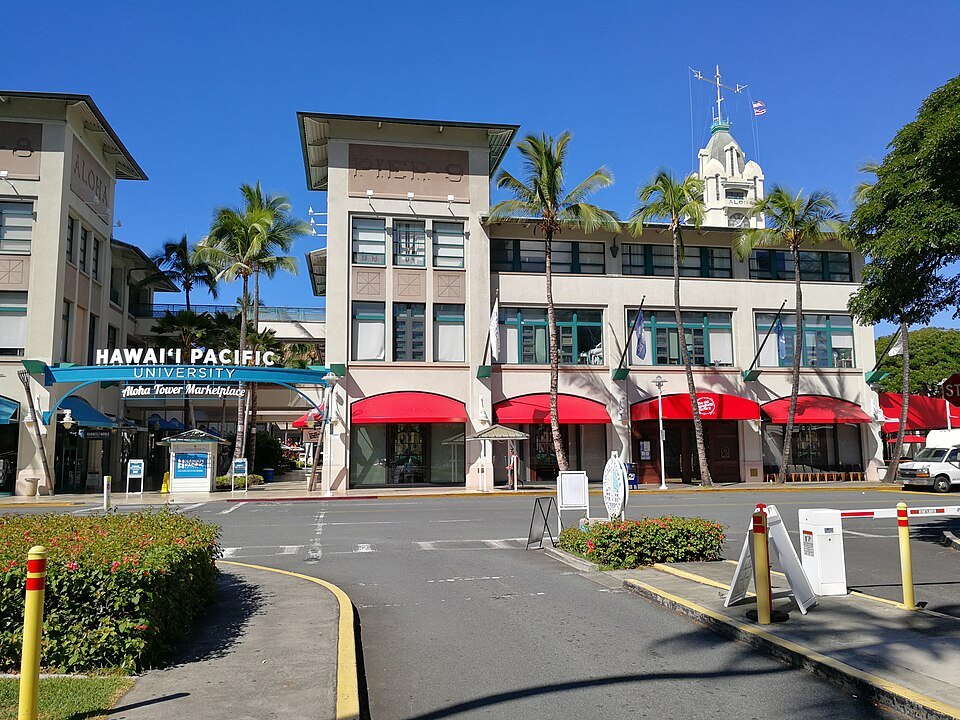
Aloha Tower above the harbor piersBalou46, Wikimedia Commons, CC BY-SA 4.0 stop 2 of 7The tower on Pier 9
A few blocks toward the water, Aloha Tower opened in 1926 to guide ships into the harbor. Ten stories and 184 feet high, it was the tallest structure in Hawaiʻi for four decades, and the passengers and immigrants who arrived by sea saw it first.
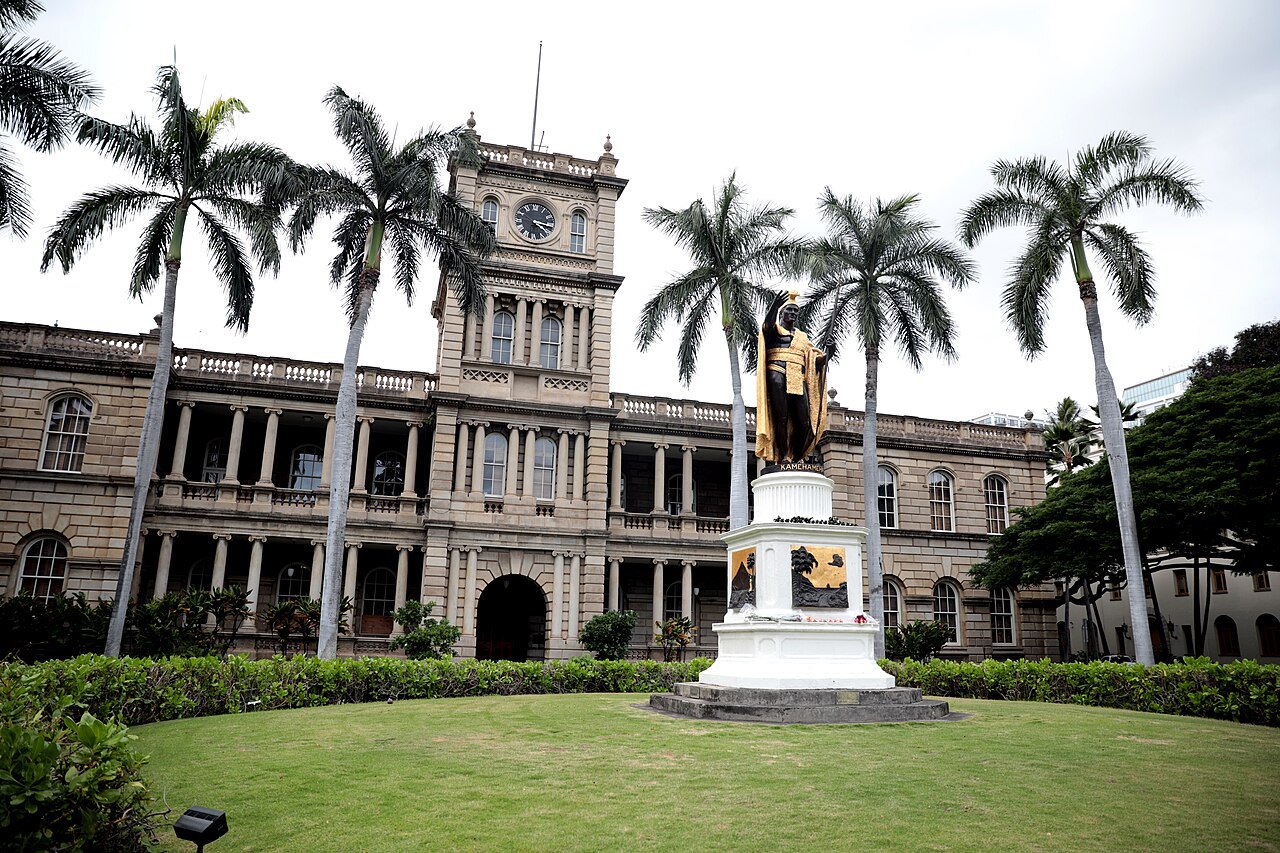
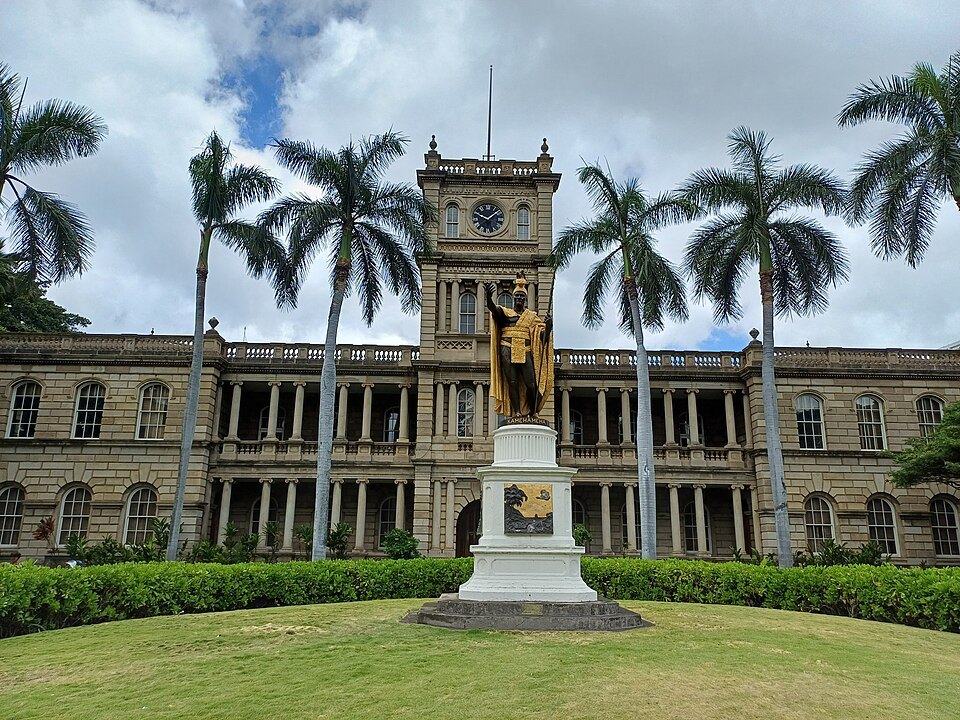
Kamehameha I, in gilded bronze, before Aliʻiōlani HaleGage Skidmore from Surprise, AZ, United States of America, Wikimedia Commons, CC BY-SA 2.0 stop 3 of 7The king in gilded bronze
Walk inland to the Capitol District. In front of Aliʻiōlani Hale stands the statue of Kamehameha I, who united the islands. It is a second casting, set up in 1883 after the first was lost in a shipwreck off the Falkland Islands — that one was recovered too, and stands on the island of Hawaiʻi.
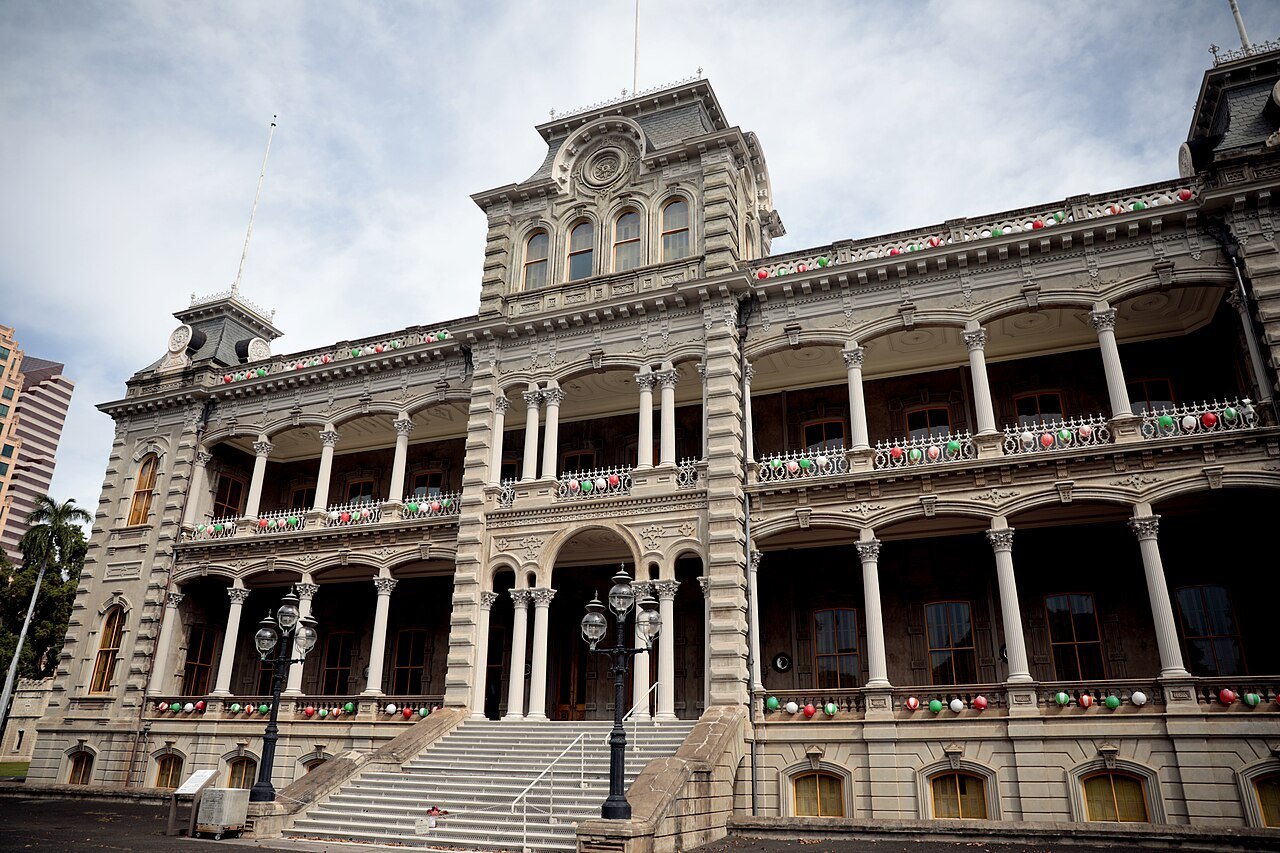
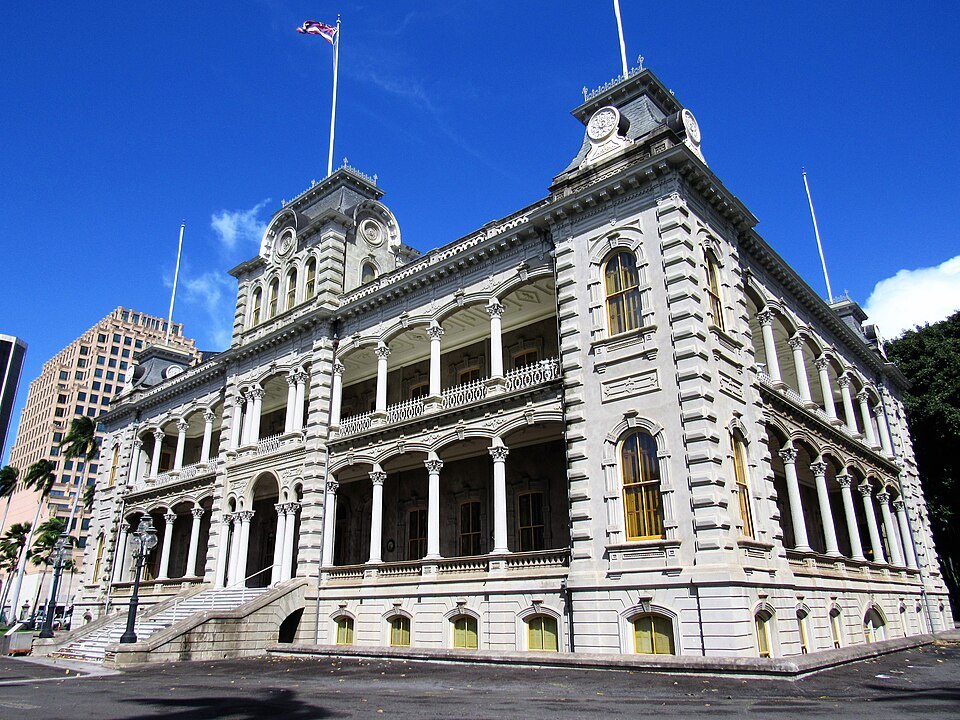
ʻIolani Palace, its lanai and corner towersGage Skidmore from Surprise, AZ, United States of America, Wikimedia Commons, CC BY-SA 2.0 stop 4 of 7The only royal palace on US soil
Across King Street, ʻIolani Palace was completed in 1882 for King Kalākaua. After the overthrow, Queen Liliʻuokalani was held for nine months in 1895 in a small upstairs room. The building served as the seat of government until 1969 and has been a museum since 1978.
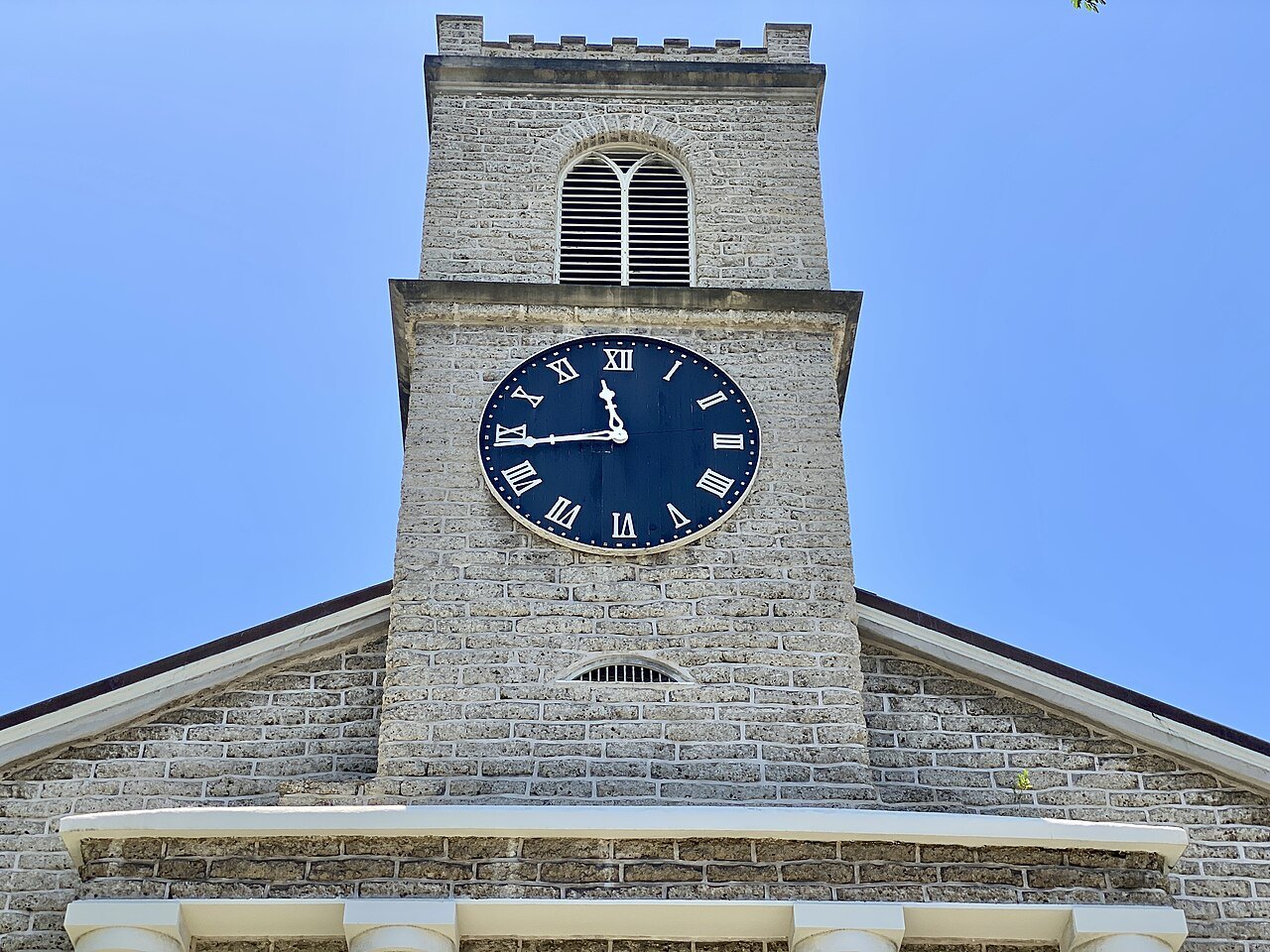
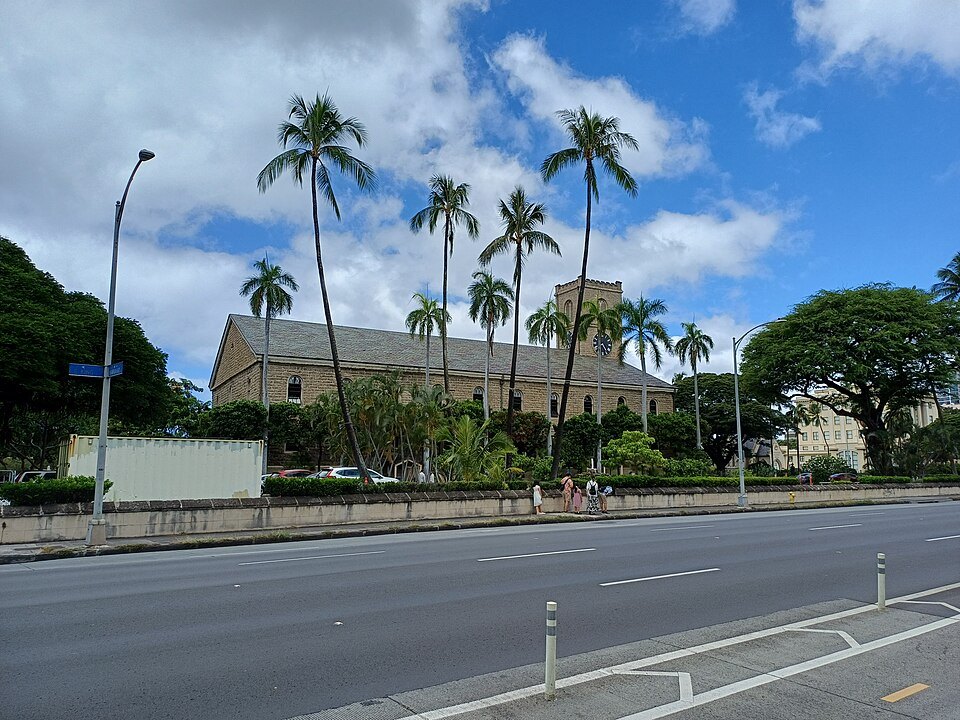
The clock tower of Kawaiahaʻo Church, in coral blockw_lemay, Wikimedia Commons, CC BY-SA 2.0 stop 5 of 7A church of coral blocks
Kawaiahaʻo Church was built between 1836 and 1842 from some 14,000 blocks of coral, cut by Hawaiian divers from a reef off the south shore. Kings took their oaths here, and parts of the services are still held in Hawaiian.
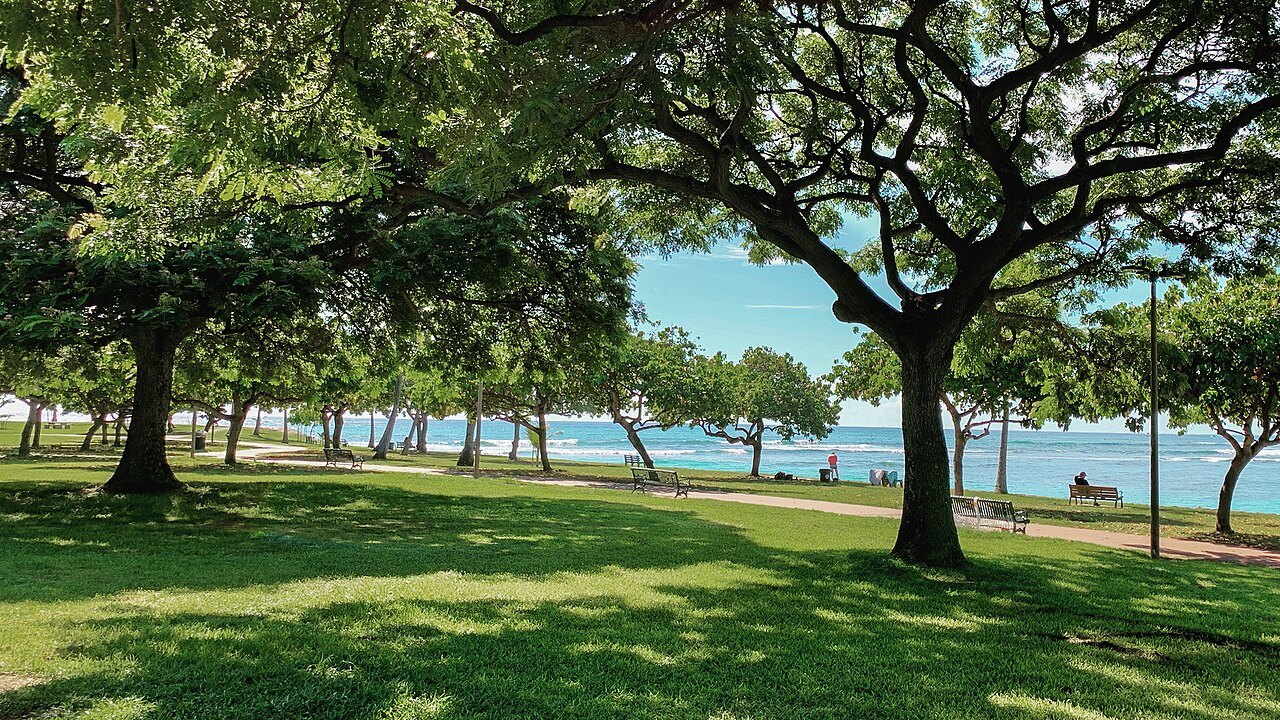
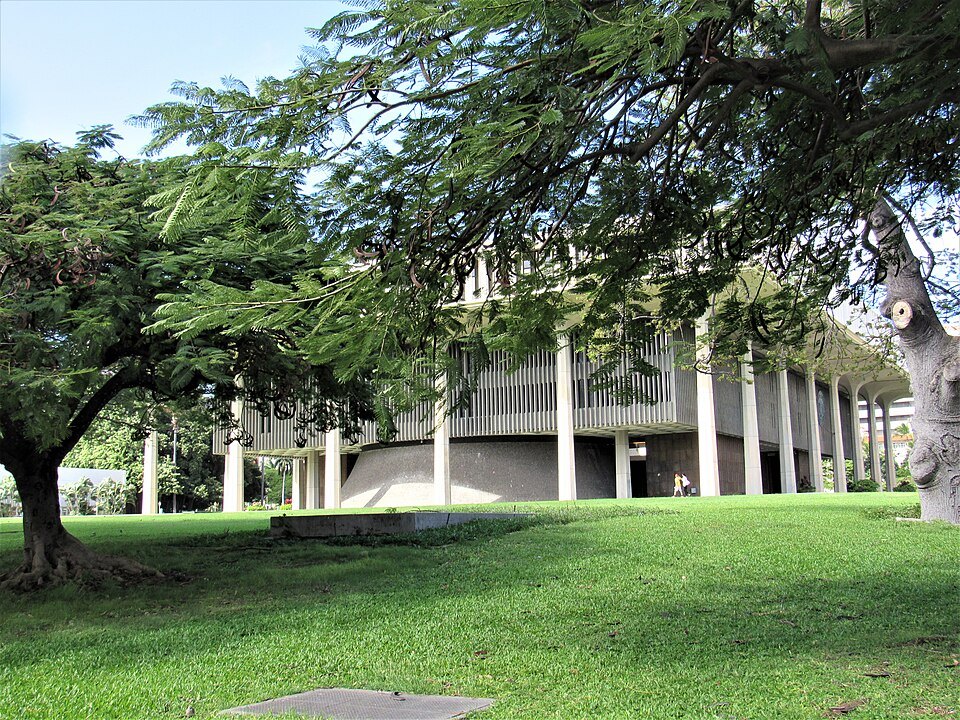
Shade trees on Magic Island, the ocean beyondDaniel Ramirez, Wikimedia Commons, CC BY 2.0 stop 6 of 7The island that was a reef
The longest leg follows the shore east, and many visitors ride TheBus along it. At Ala Moana Beach Park, Magic Island was built in 1962 from thirty acres of reef filled with coral; renamed ʻĀina Moana, “land from the sea,” in 1972, it is still Magic Island to most of the city.
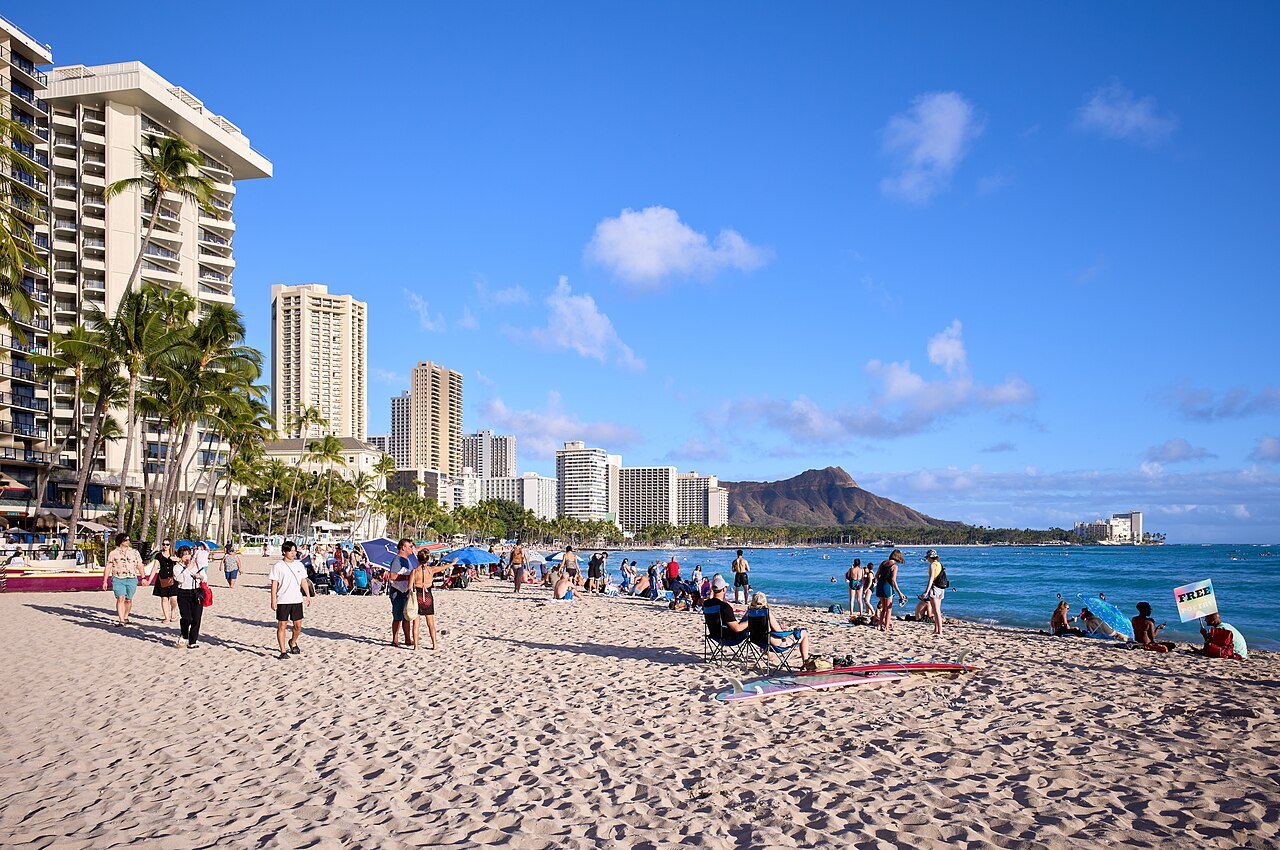
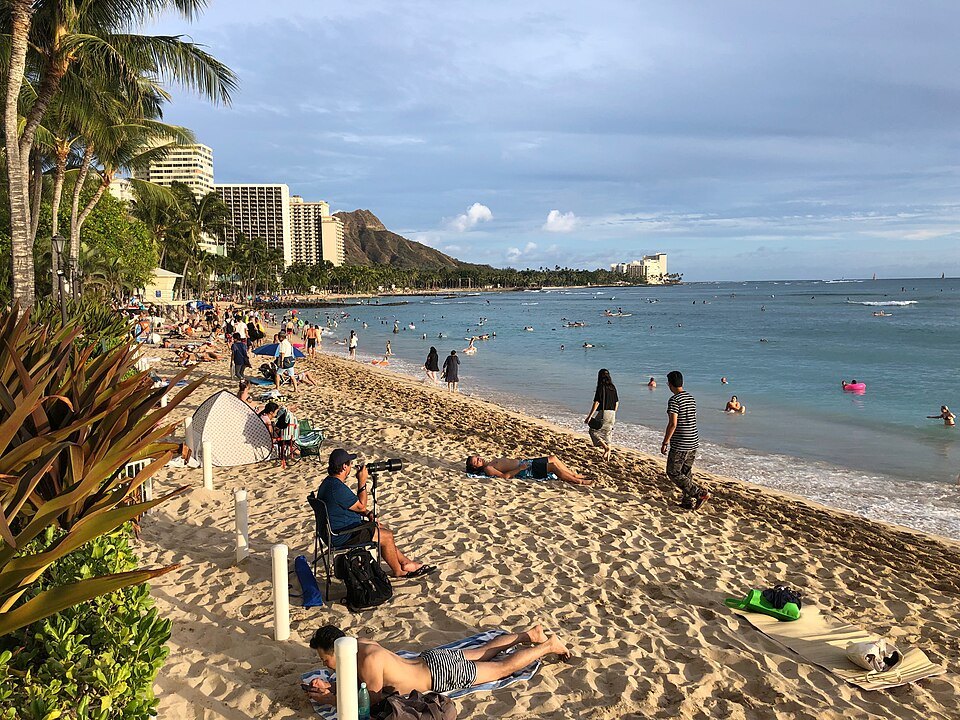
Waikīkī Beach, with Diamond Head at its eastern endFrank Schulenburg, Wikimedia Commons, CC BY-SA 4.0 stop 7 of 7The beach under the crater
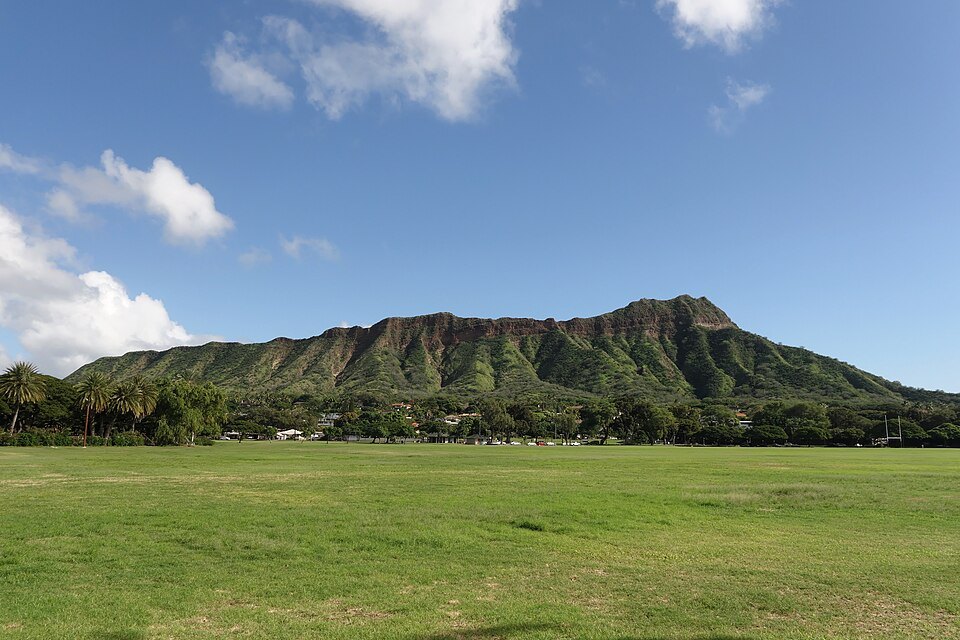
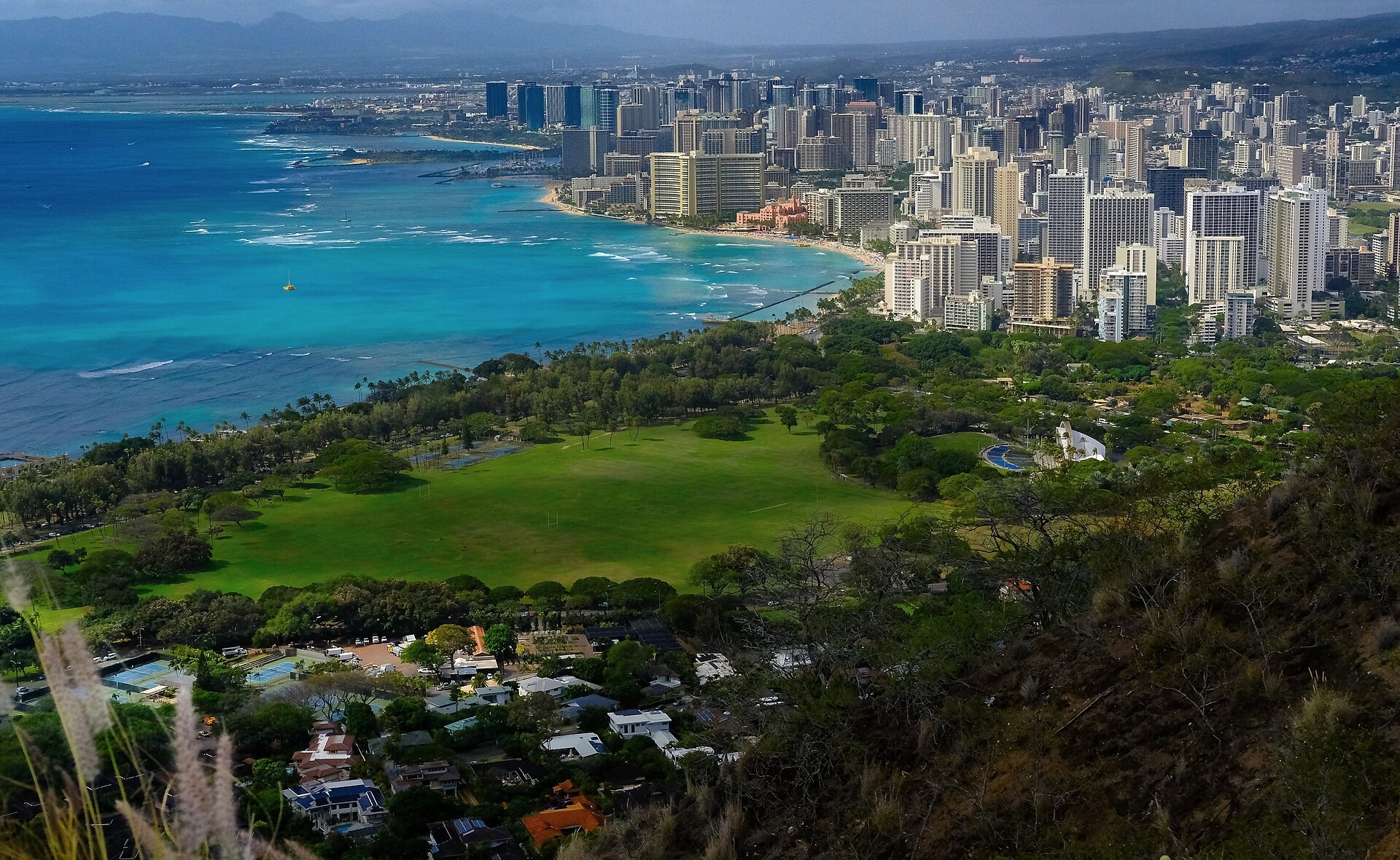
Waikīkī means “spouting fresh water,” for the springs that once fed its wetlands, and its beach is almost entirely man-made. At its east end rises Diamond Head, Lēʻahi, a volcanic cone some 400,000 to 500,000 years old, named Diamond Hill in 1825 by British sailors who took the calcite crystals on its slopes for diamonds.
Three things to know first
- ArrivingThree miles from downtown.Daniel K. Inouye International Airport lies about three miles northwest of downtown. Skyline, the elevated rail line, has stopped at the airport since October 2025, but it will not reach downtown before 2031, so for now the last miles to Waikīkī are by TheBus, shuttle, taxi or car.Getting here
- The streetsWalk the districts, ride between them.Waikīkī and the Capitol District are each small enough to walk. Between them, and out to the valleys, TheBus runs more than a hundred routes across the island.Getting around
- The calendarDry summers, wetter winters.Most of the city's rain falls between October and early April, and the trade winds blow most steadily from May through September. Hurricane season runs from June 1 to November 30, though direct hits are rare — the last near Honolulu was Iniki in 1992.When to come
United States · HawaiʻiAbout 350,000 peopleEnglish and HawaiianUS dollarCapital since 1845A kingdom until 1893
The tide table of this guide
- 01
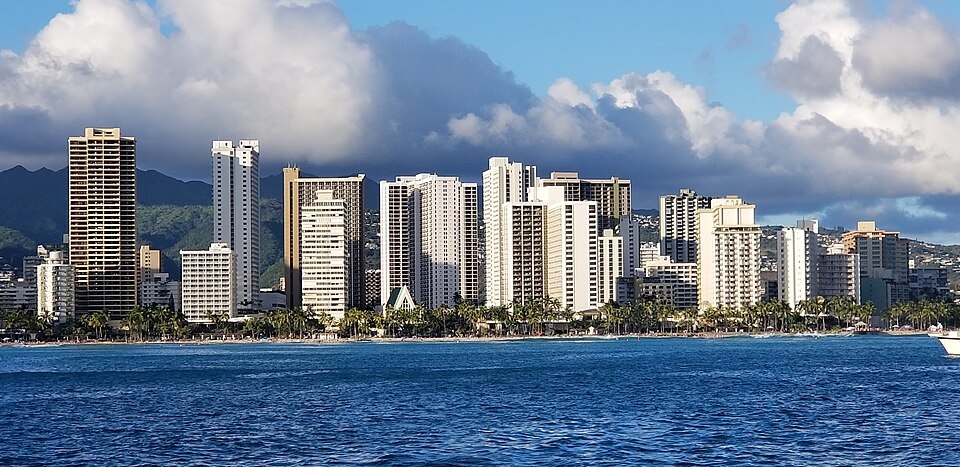 Eighteen places, one page eachThe SightsFrom ʻIolani Palace to the Diamond Head summit: what each one is, what you see, and how long to give it.
- 02
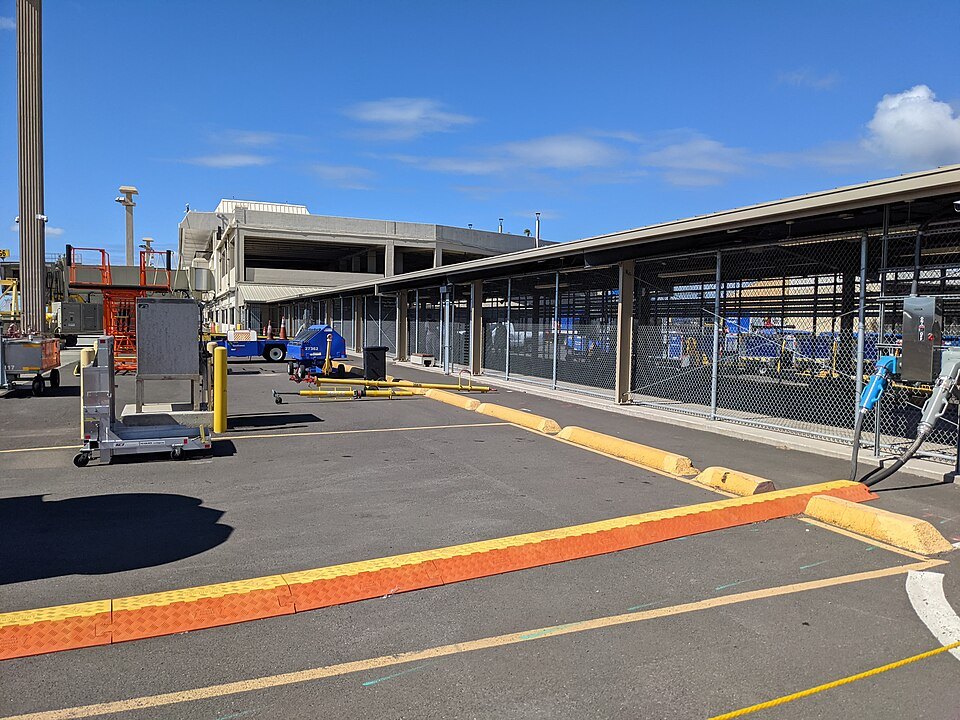 Almost everyone fliesGetting HereThe airport three miles from downtown, and the ways on from it to Waikīkī and the city.
- 03
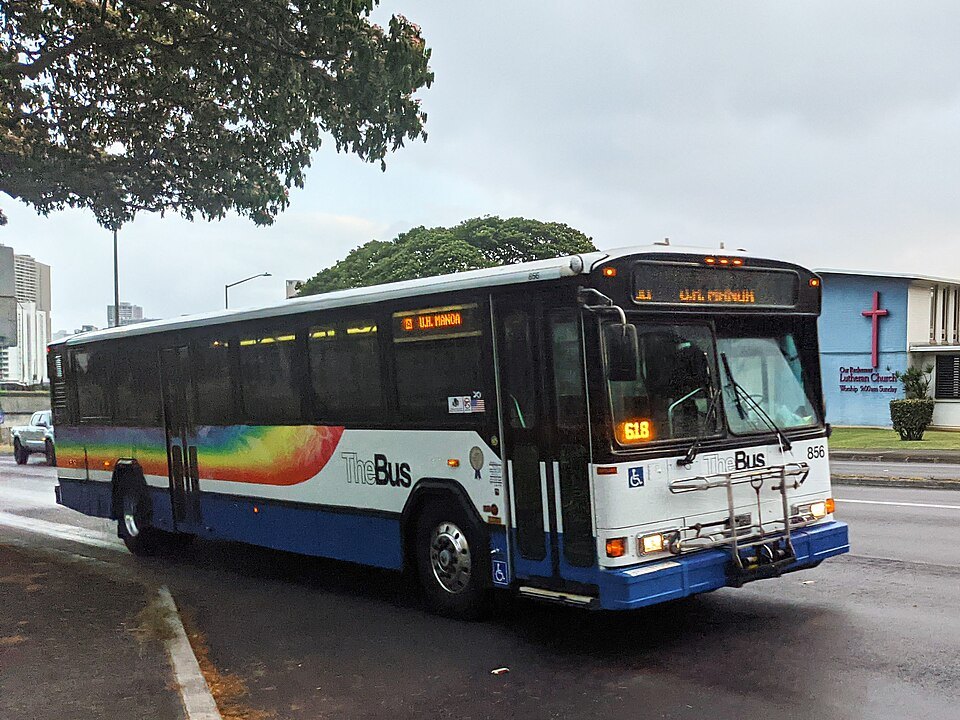 On foot, by TheBus, and now by railGetting AroundWhat you can walk, how TheBus works, where Skyline goes so far, and when a car makes sense.
- 04
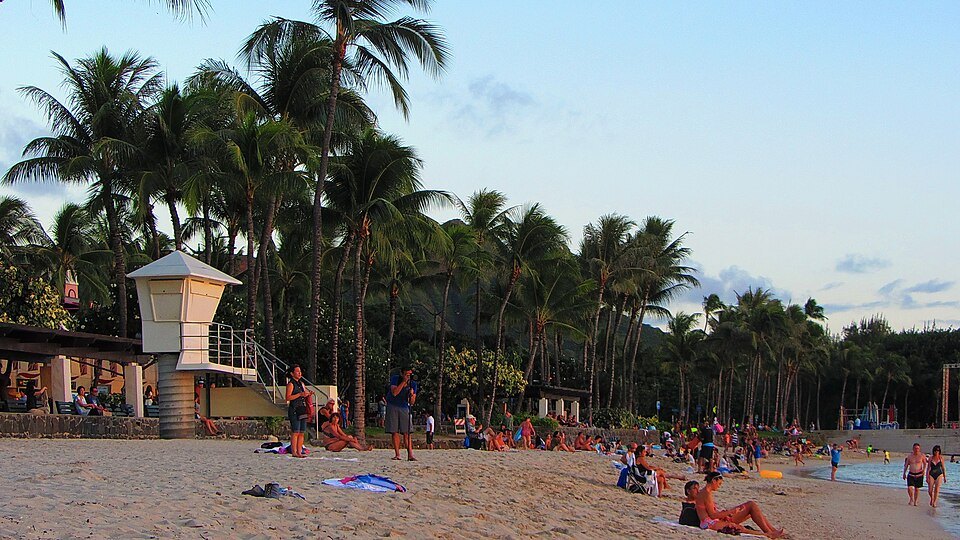 Reef, surf and the lifeguards' flagsThe OceanWhich beaches suit which swimmer, what the warning signs mean, and the reef-safe sunscreen rule.
- 05
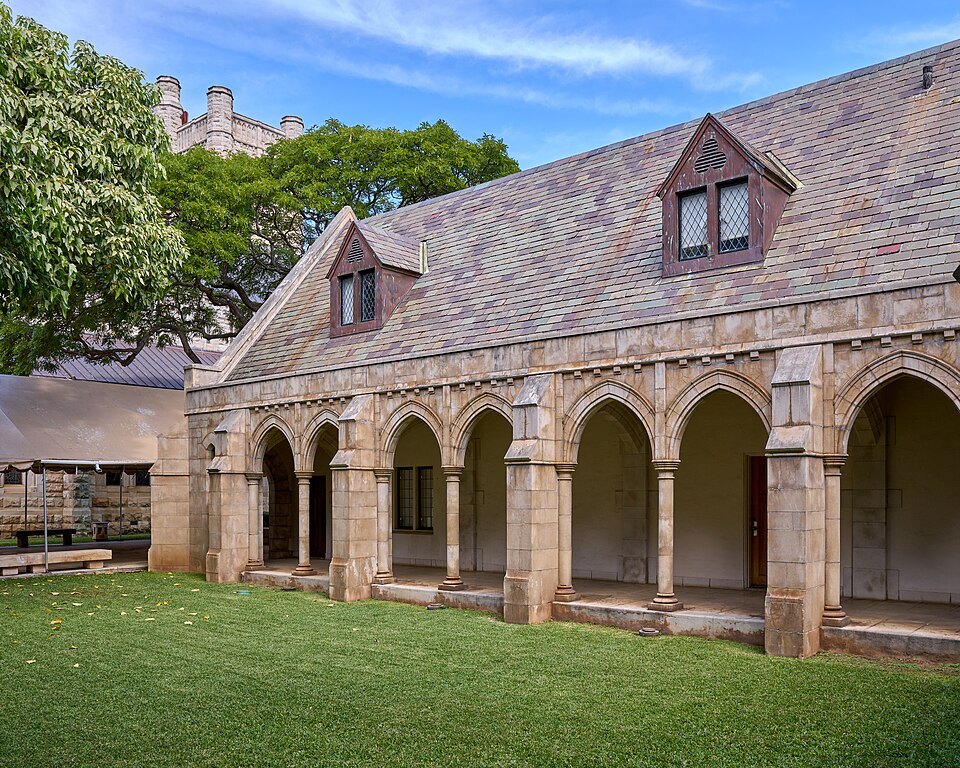 A royal capital, and how it endedThe KingdomThe Hawaiian Kingdom's buildings downtown, and the overthrow of 1893, told from the record.
- 06
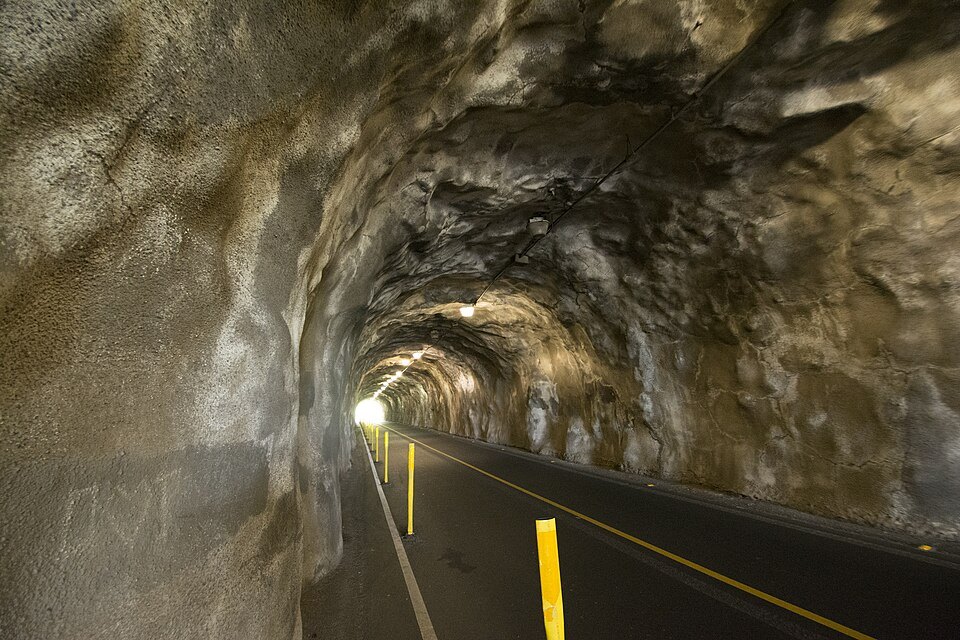 What to arrange firstBooking AheadThe few things in Honolulu that need a reservation — Diamond Head among them — and the many that do not.
- 07
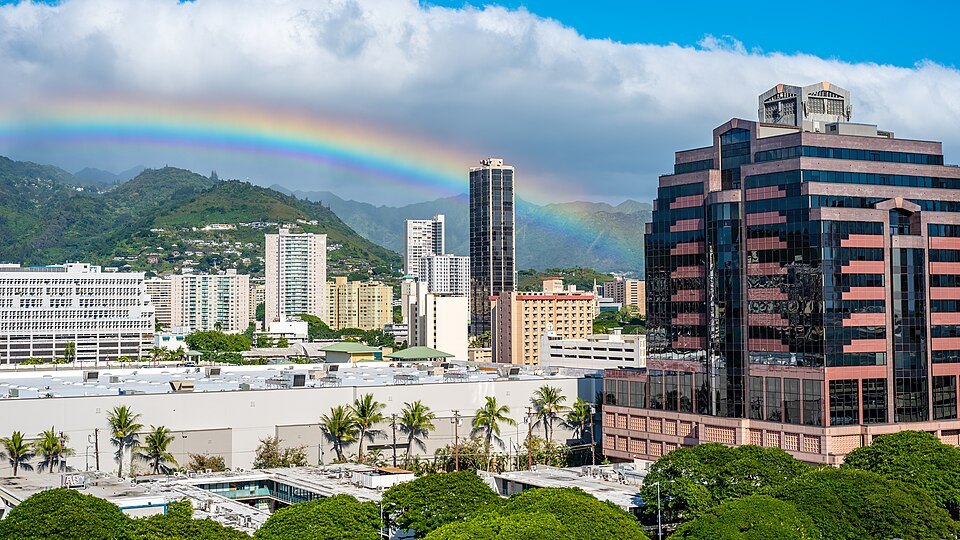 The year in HonoluluWhen to ComeDry summers and trade winds, the wetter months, hurricane season, and the calendar of the city.
- 08
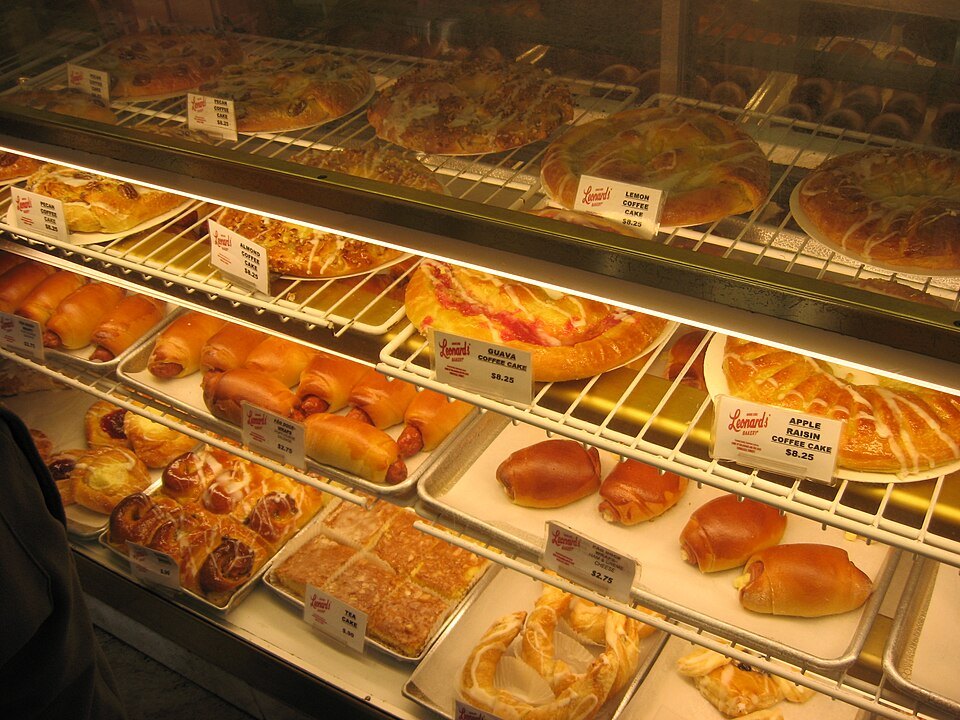 The islands' plateEating & DrinkingWhat Honolulu eats, from the markets of Chinatown to the plate lunch, and where to find it.
- 09
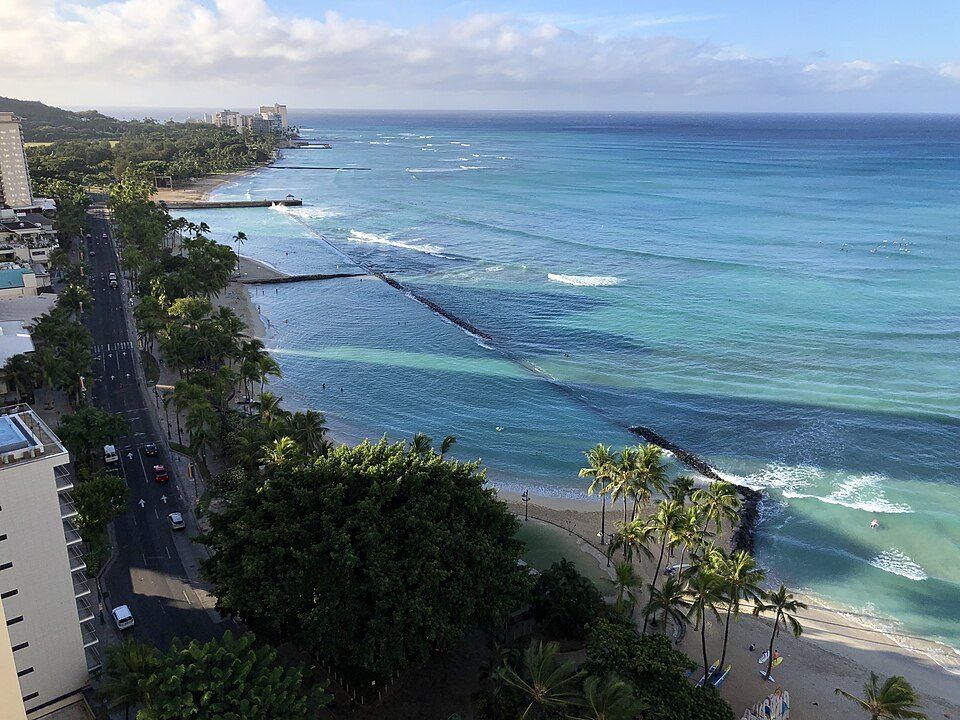 Waikīkī, and the city beyond itWhere to StayEach part of Honolulu for a night or a week, drawn on a map.
- 10
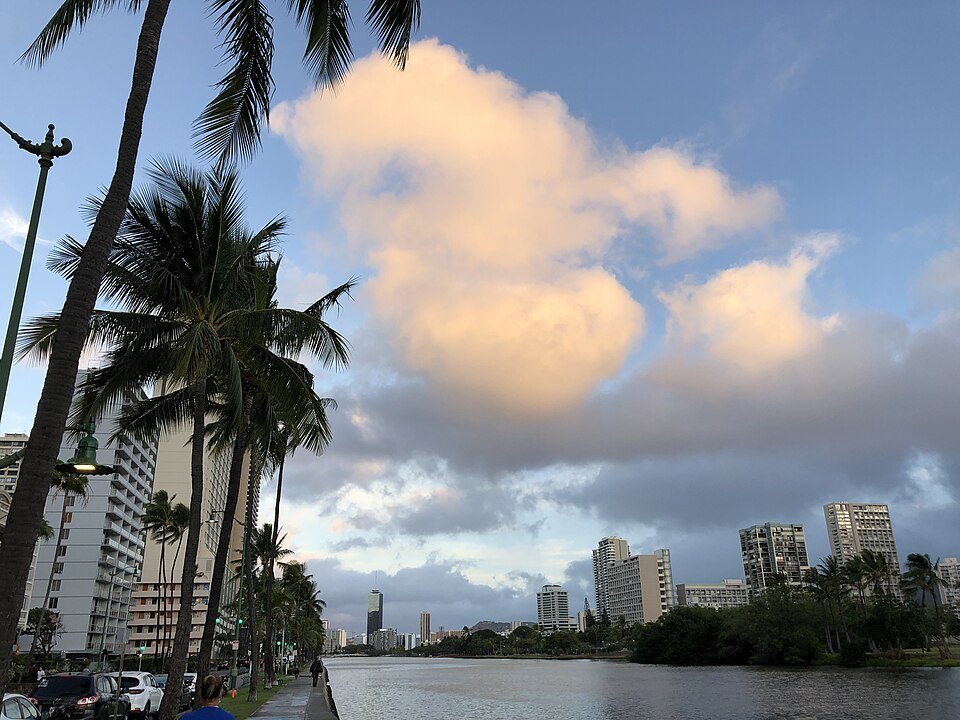 Three days, five, sevenItinerariesRoutes by the length of your stay, built around the bookings and the weather.
- 11
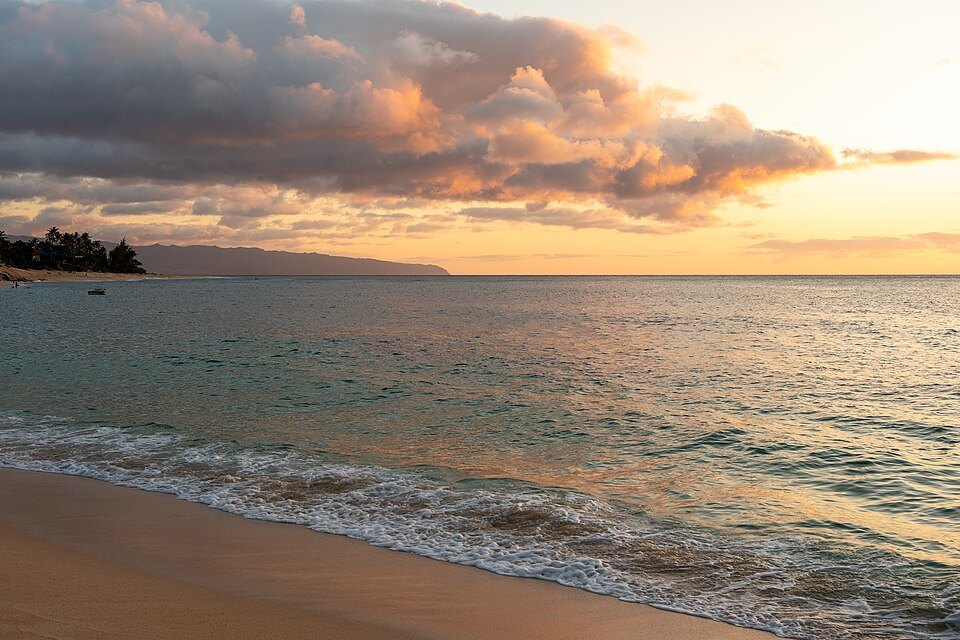 The rest of OʻahuDay TripsPearl Harbor, Hanauma Bay, the windward coast and the North Shore — each a day out of the city.
- 12
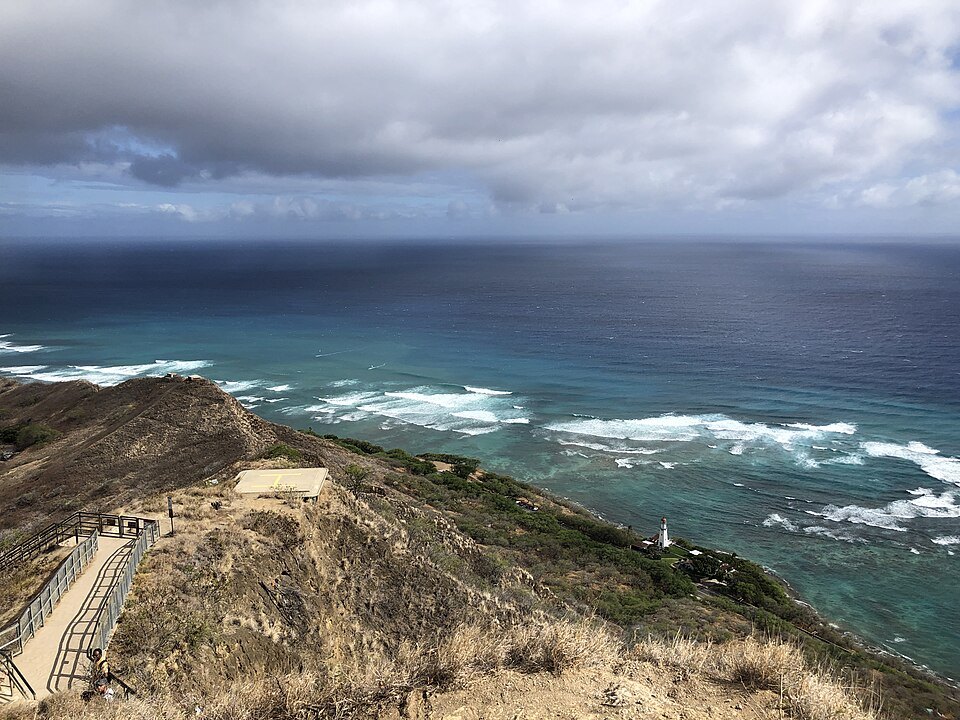 Questions answered at lengthThe JournalVisitor questions about Honolulu, answered in full, with new pieces as they are written.