Home · The Sights
The sights, in five parts of the city
The Capitol District
The kingdom's capital, a few blocks squareThe harbor and Chinatown
Where ships came in, and the town that grew behind themThe shore to Waikīkī
Reclaimed land, a park on the reef, and the beachThe Diamond Head end
A park at the foot of the crater, and the crater itselfUp the valleys
Toward the ridge, and west to Kalihi
The Sights of Honolulu, Between the Reef and the Ridge
How the city's sights are arranged
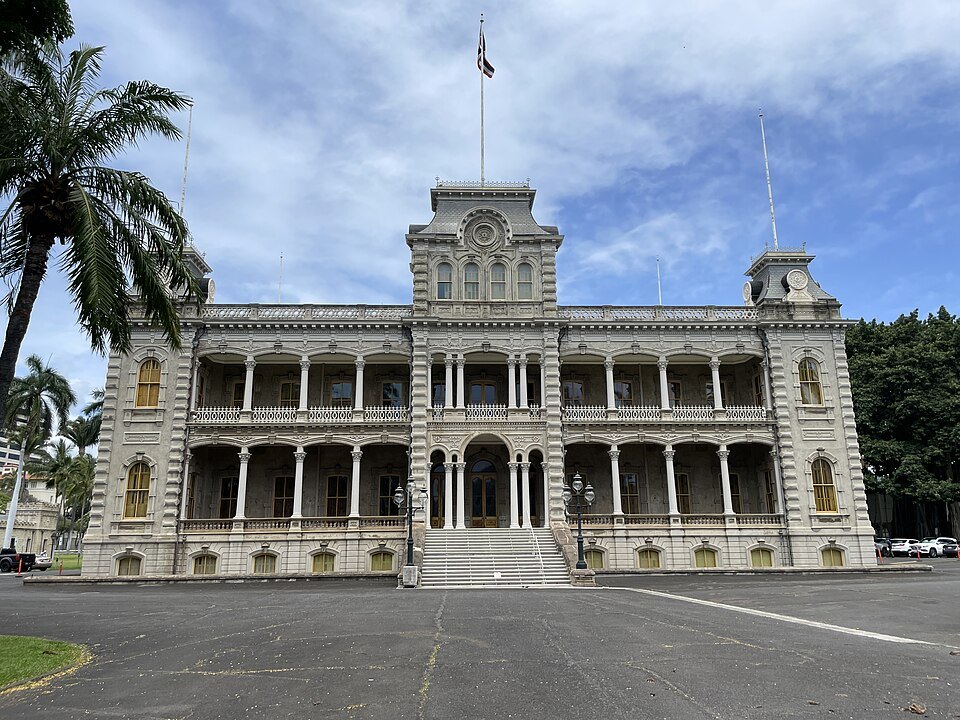
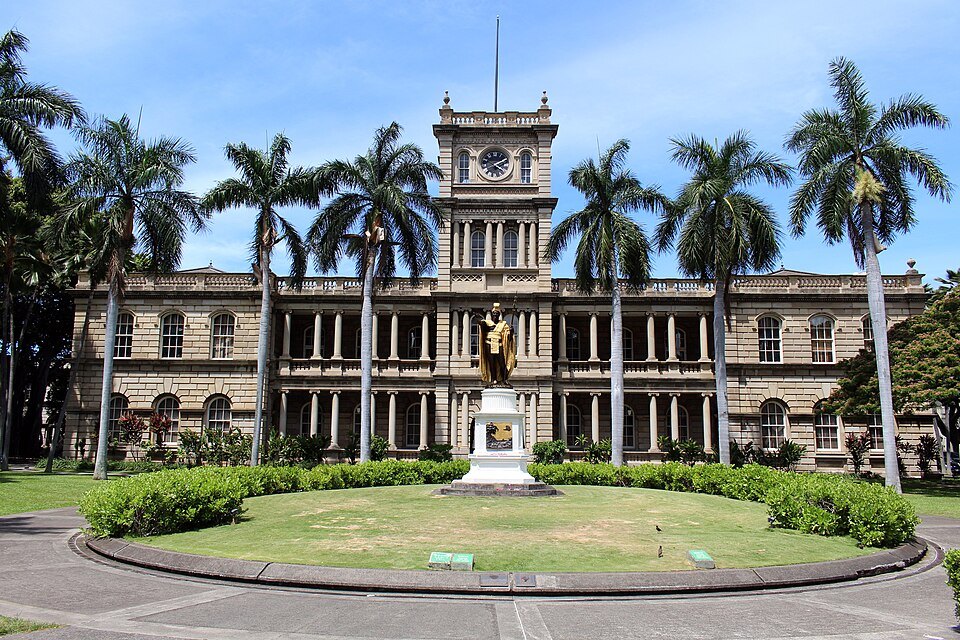
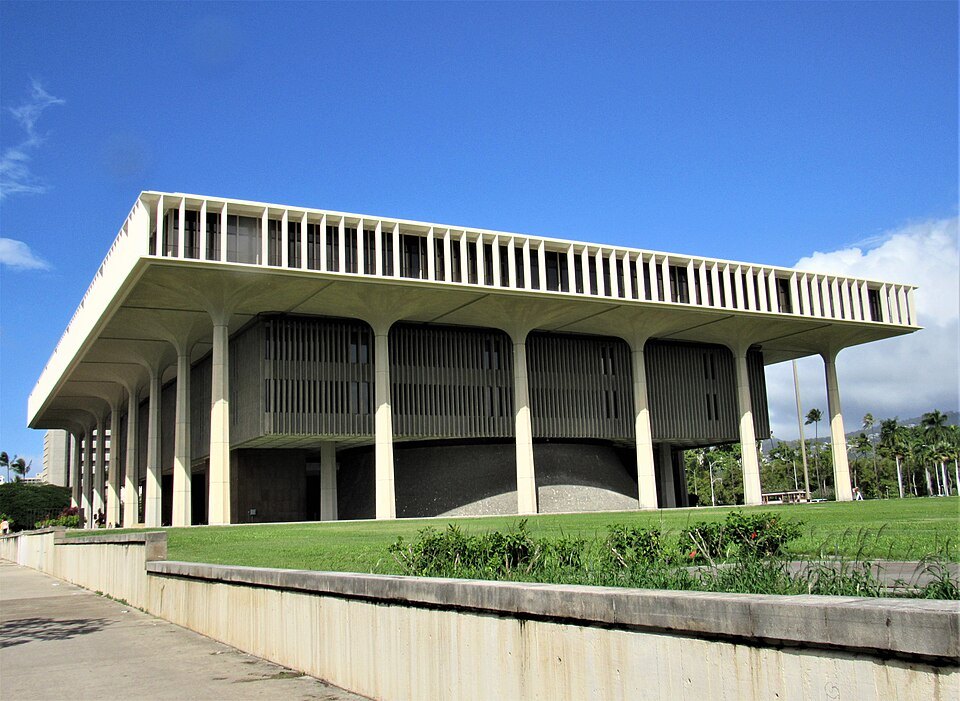
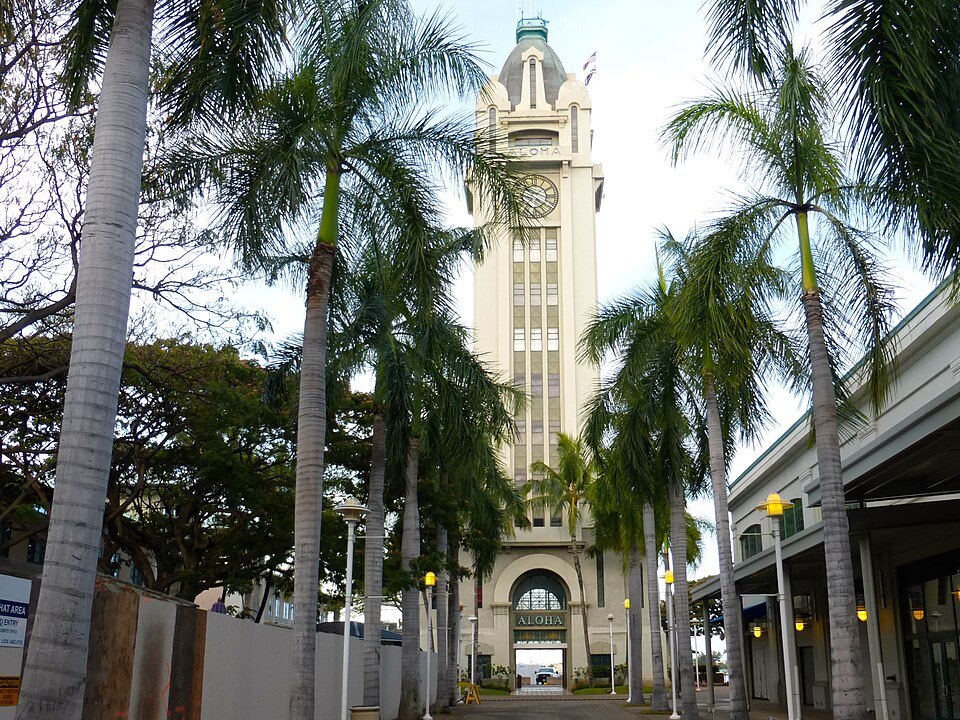
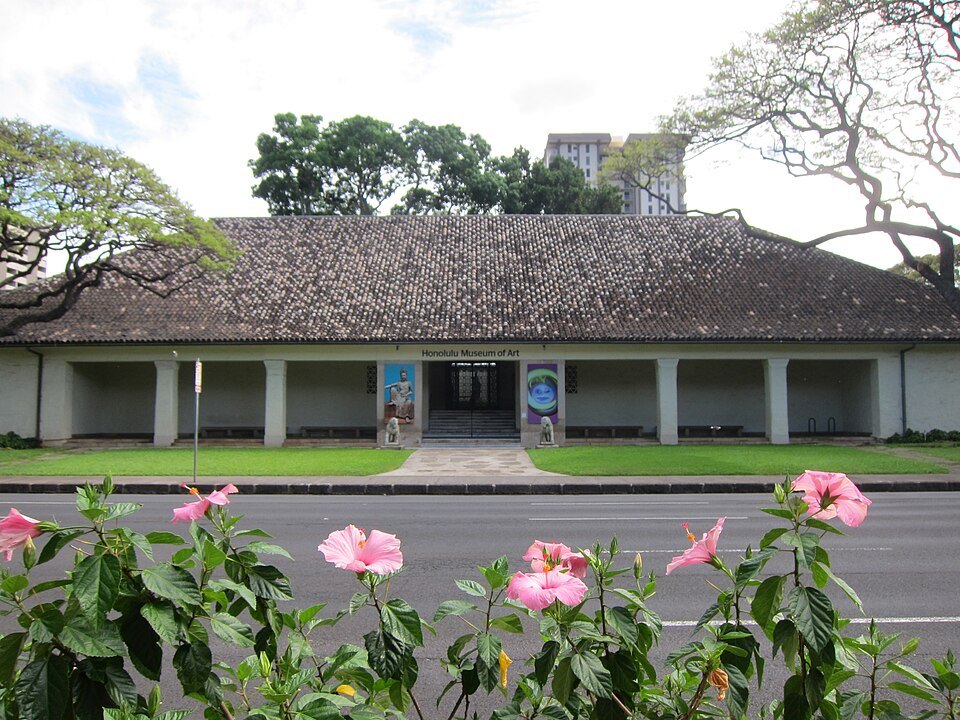
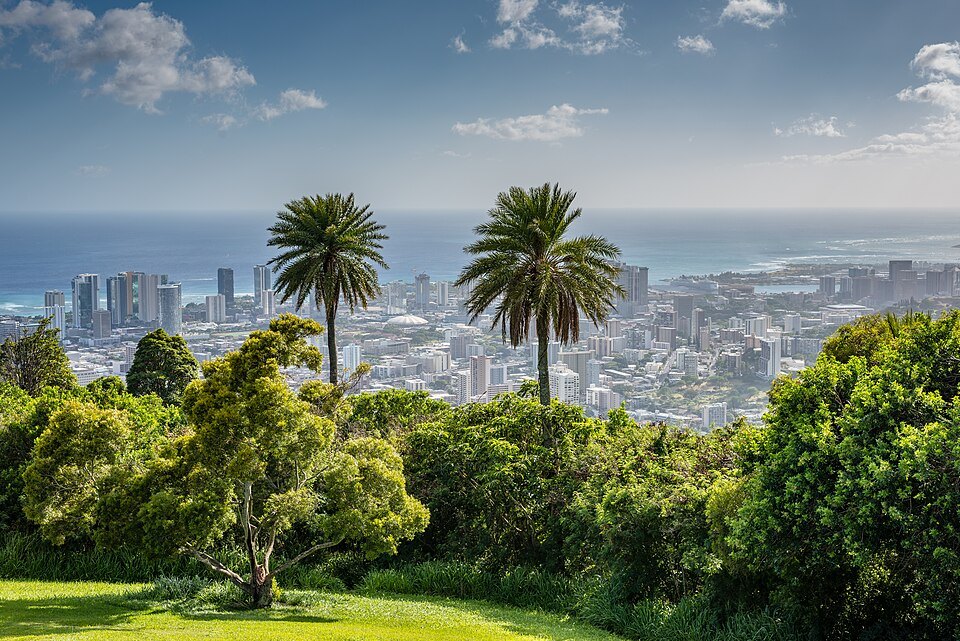
Honolulu is a long city strung along the south shore of Oʻahu, and its sights fall into five groups that follow its shape. The Capitol District, a few blocks square downtown, holds the buildings of the Hawaiian Kingdom: ʻIolani Palace, Aliʻiōlani Hale with the Kamehameha statue, Kawaiahaʻo Church and the State Capitol beside Washington Place. Next to it, by the water, are Aloha Tower and the harbor, Chinatown, Foster Botanical Garden and, a little inland, the Honolulu Museum of Art.
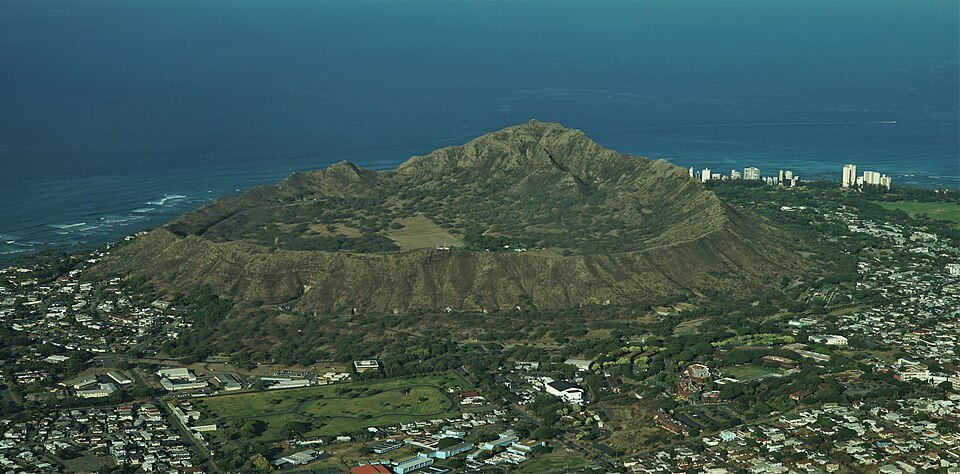
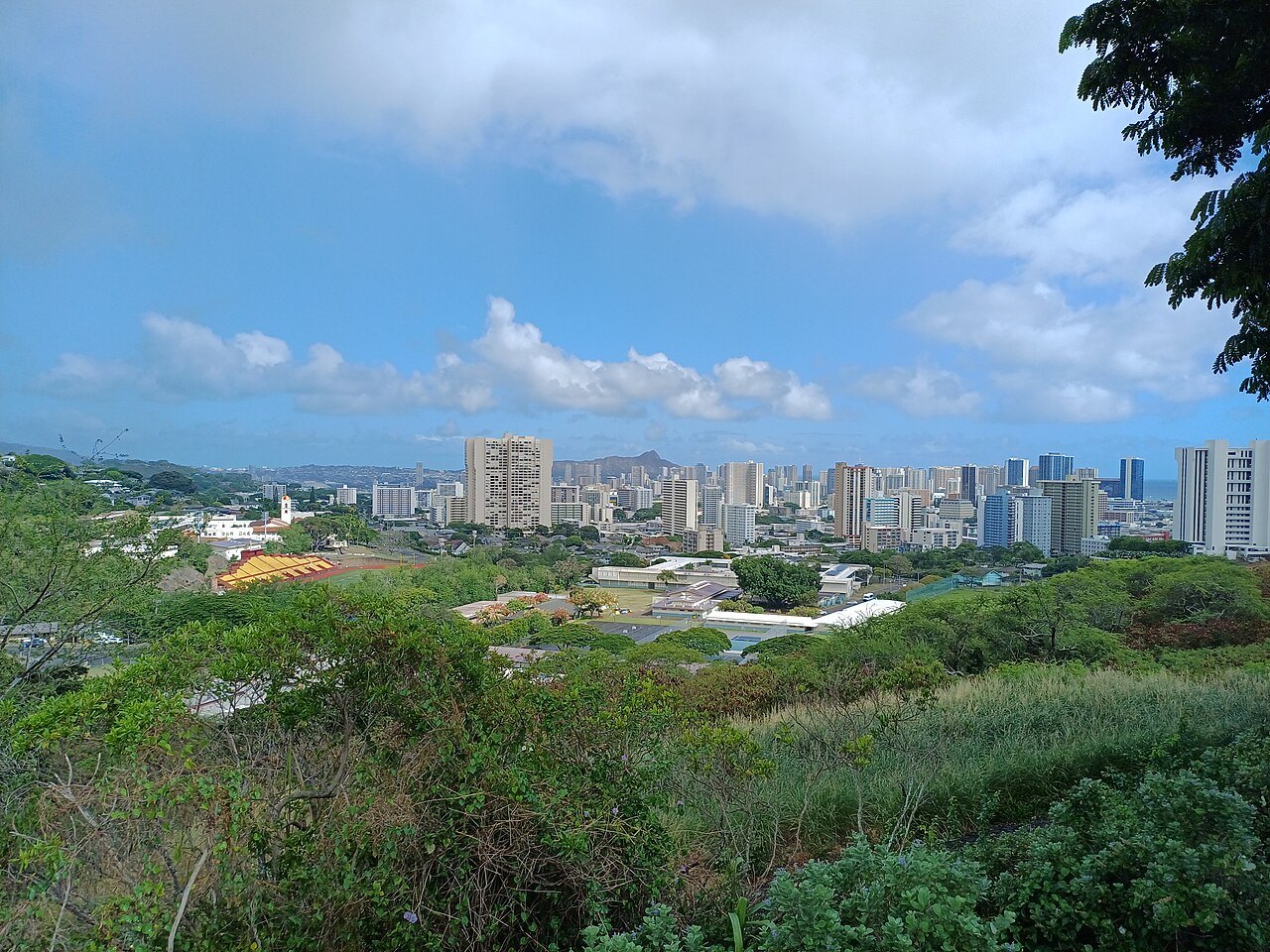
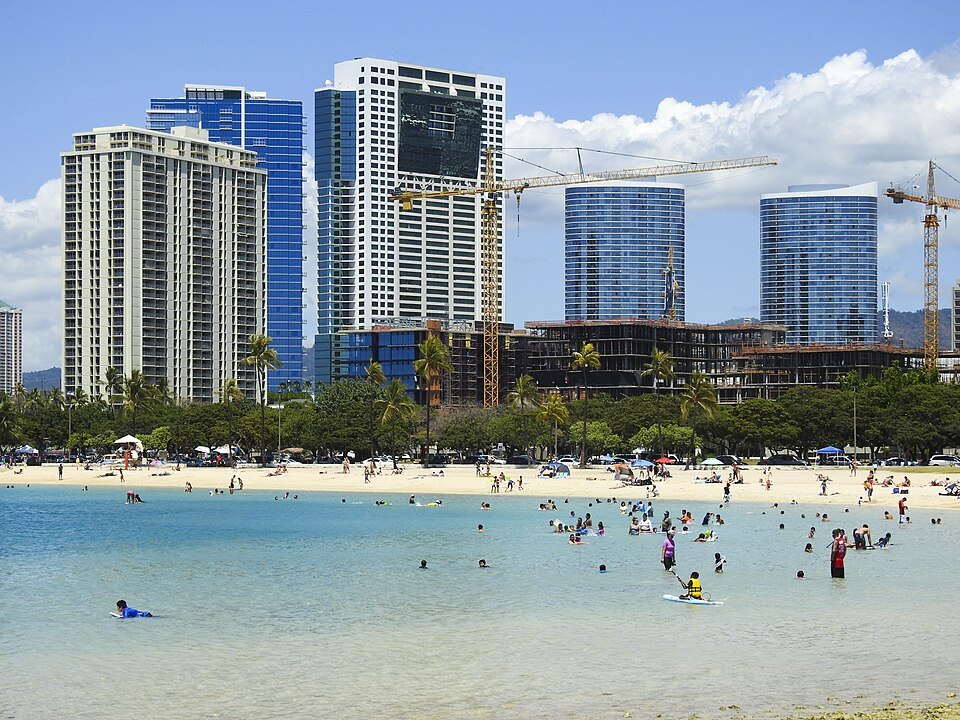
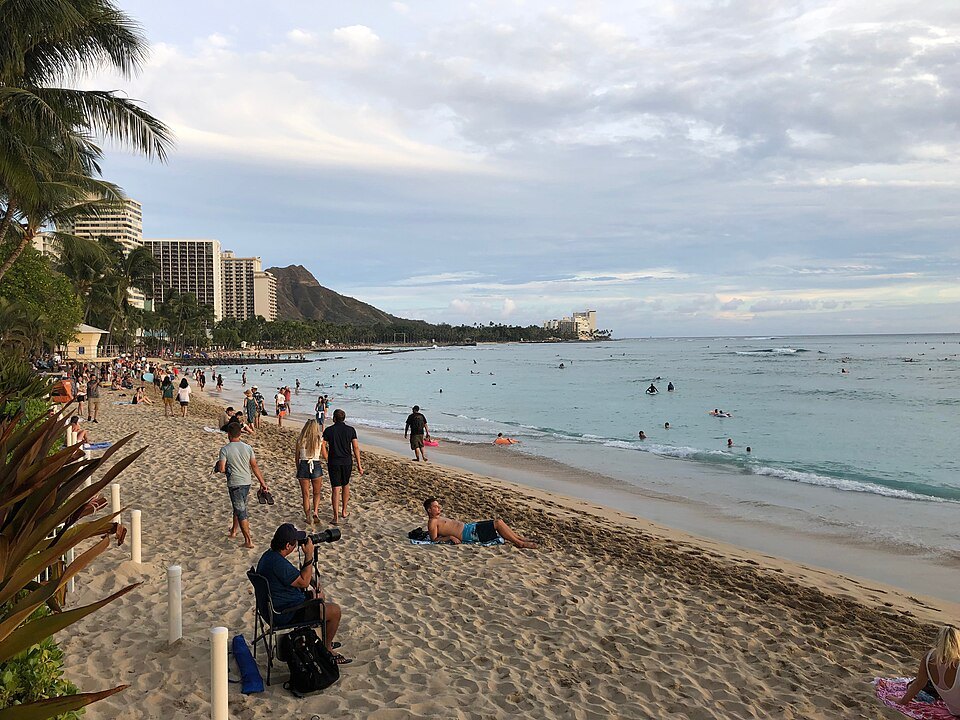
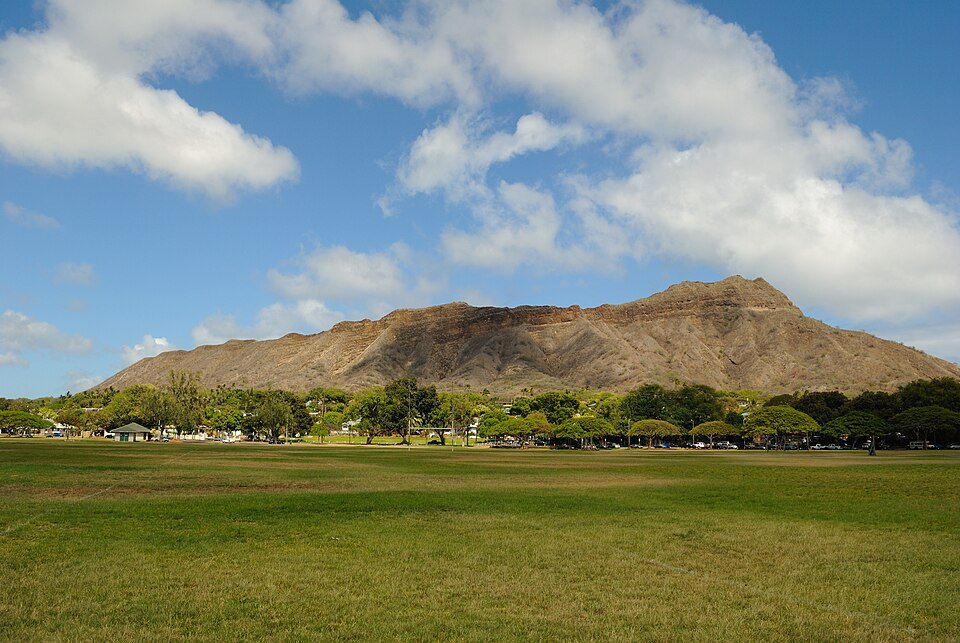
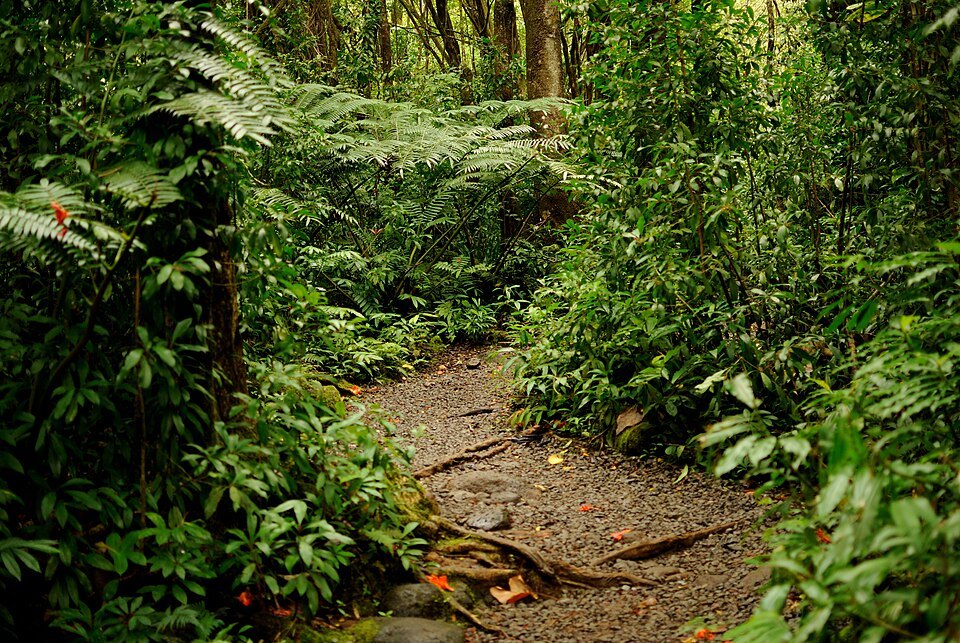
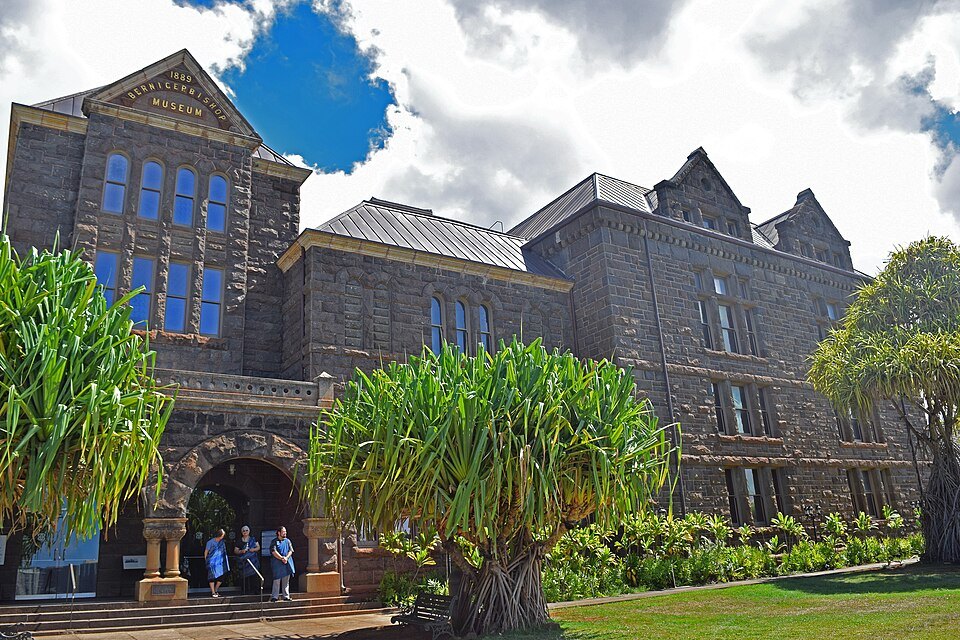
East along the shore come Kakaʻako, Ala Moana Beach Park and then Waikīkī, with its beach and its two historic hotels, ending at Kapiʻolani Park and Diamond Head. Behind the city, up the valleys, are Punchbowl, Tantalus, Mānoa Falls and, to the west in Kalihi, Bishop Museum. The drawing on the homepage numbers them all.
Where the city ends
This site draws a line around the city: the south shore from Kalihi to Kāhala, and the valleys behind it up to the Koʻolau ridge. Everything else on Oʻahu, including Pearl Harbor, Hanauma Bay, the windward coast and the North Shore, is a day trip, and it is covered on the day trips page rather than here. The City and County of Honolulu governs the whole island, so you will see “Honolulu” on signs far from the city; that does not make them part of it.
The eighteen, in brief
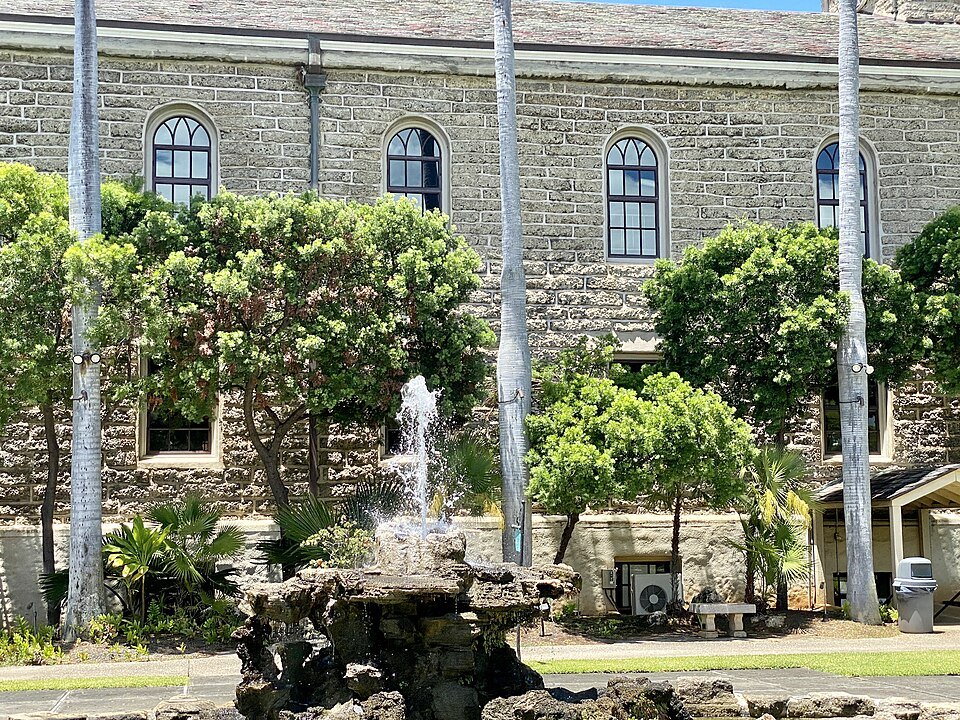
In the Capitol District: the palace of 1882, where the last queen was deposed in 1893 and imprisoned in 1895; the government house of 1874 with its gilded statue of the kingdom's founder; the coral-block church of 1842 where the kings took their oaths; and the open-roofed Capitol of 1969 with the house where Queen Liliʻuokalani lived and died.
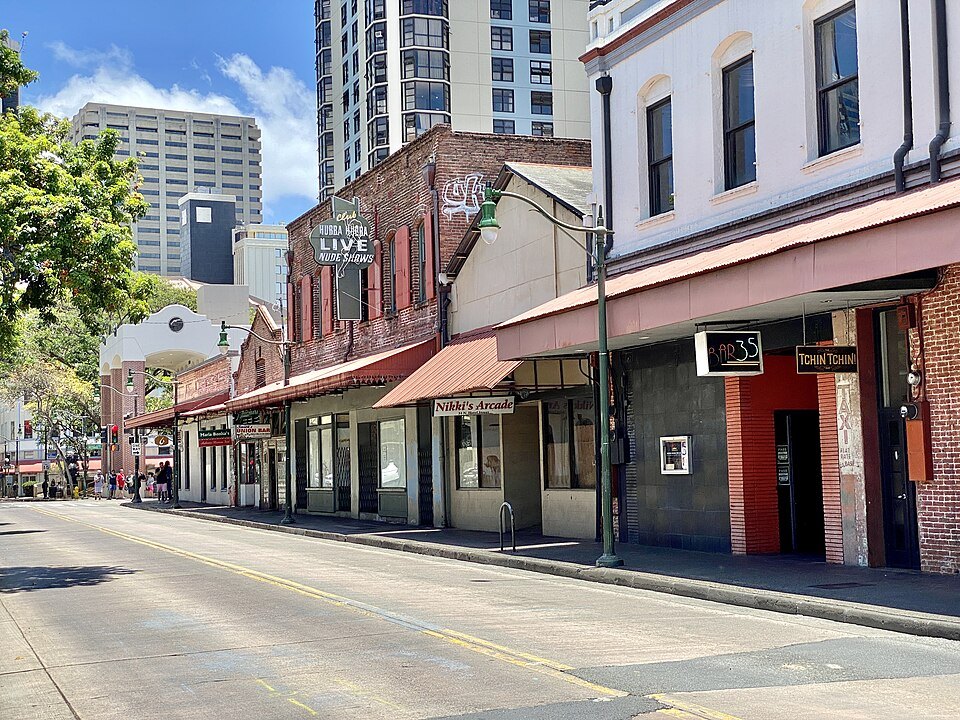
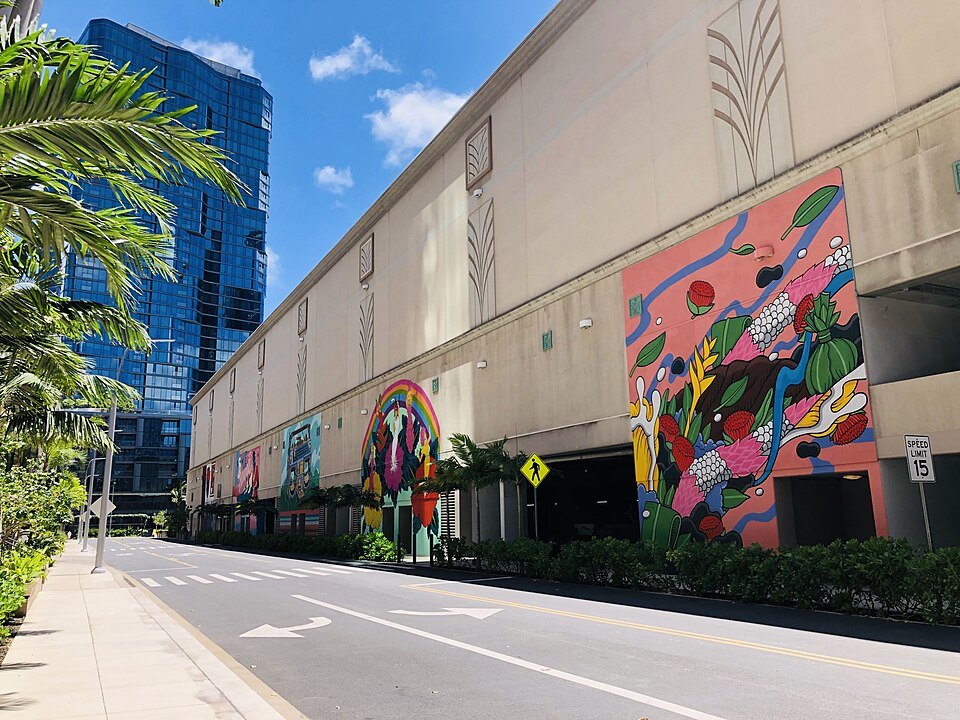
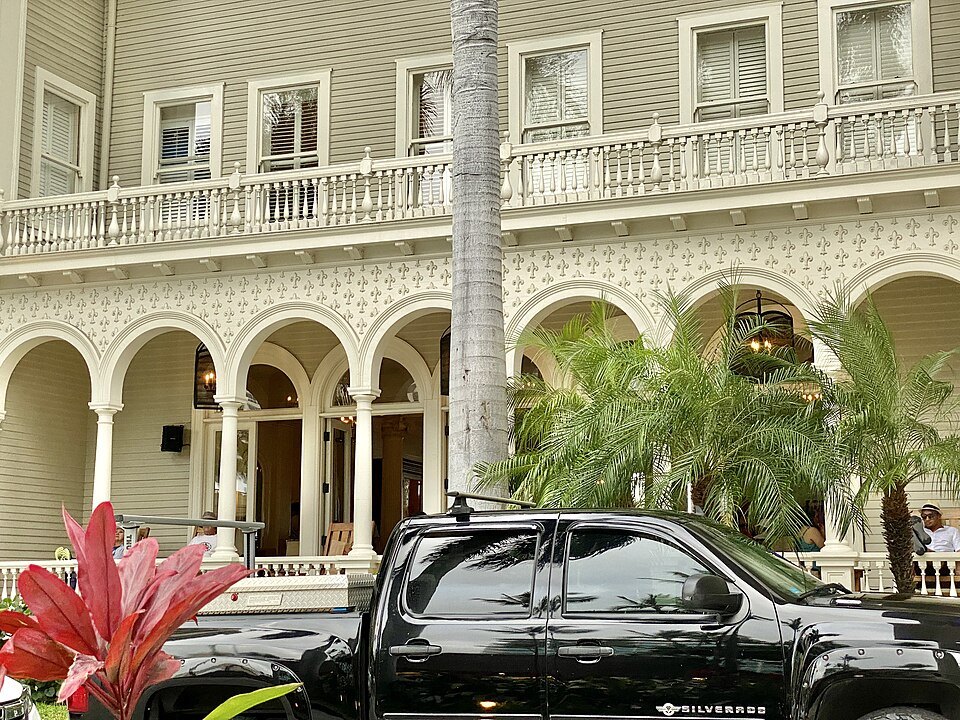
By the harbor: the tower of 1926 that met the ships; Chinatown, burned in 1900 and rebuilt in brick; the oldest botanical garden in the islands; and an art museum of courtyards opened in 1927. Along the shore: the warehouse district of murals and new towers; the city's own beach park, built on a swamp and a reef; the beach of Waikīkī, made largely by hand; and the two hotels, of 1901 and 1927, that began its tourism.
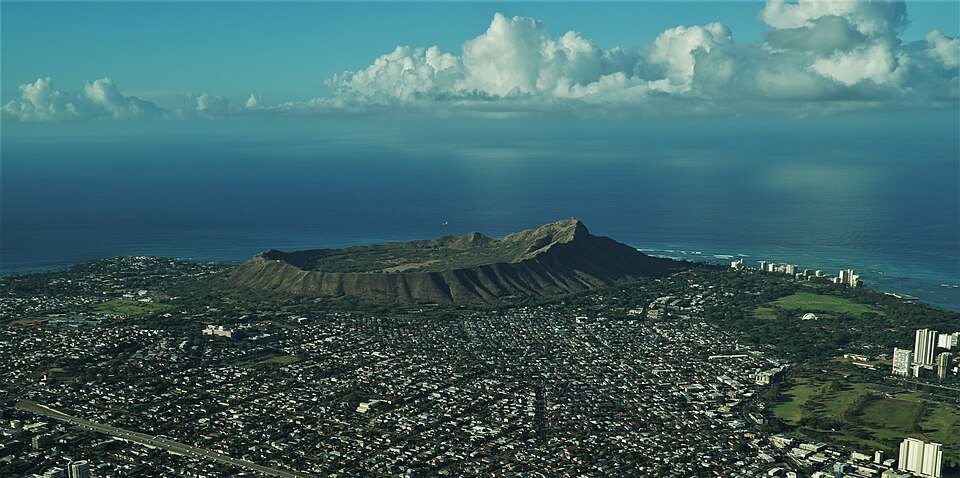
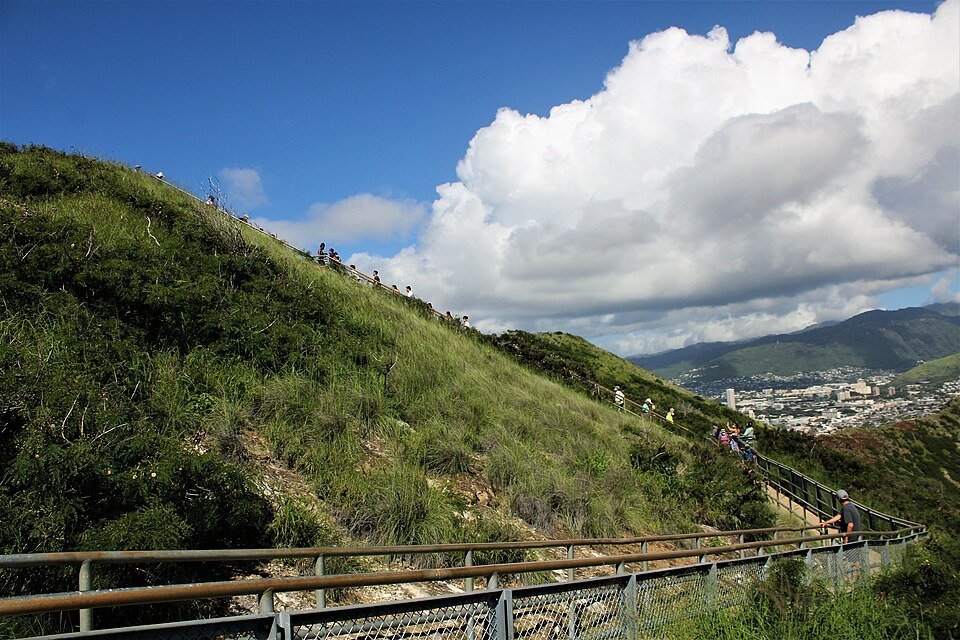
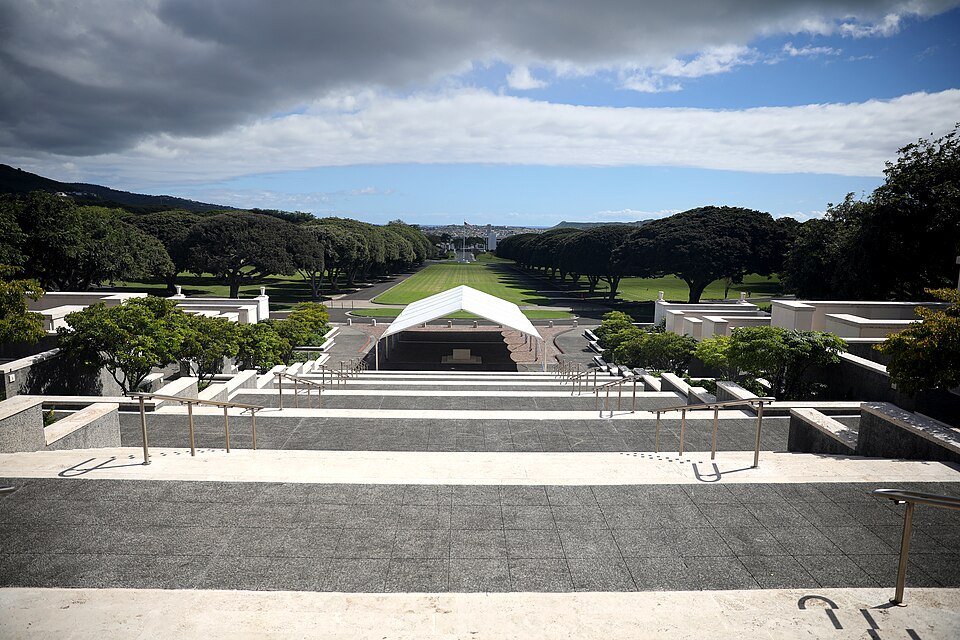
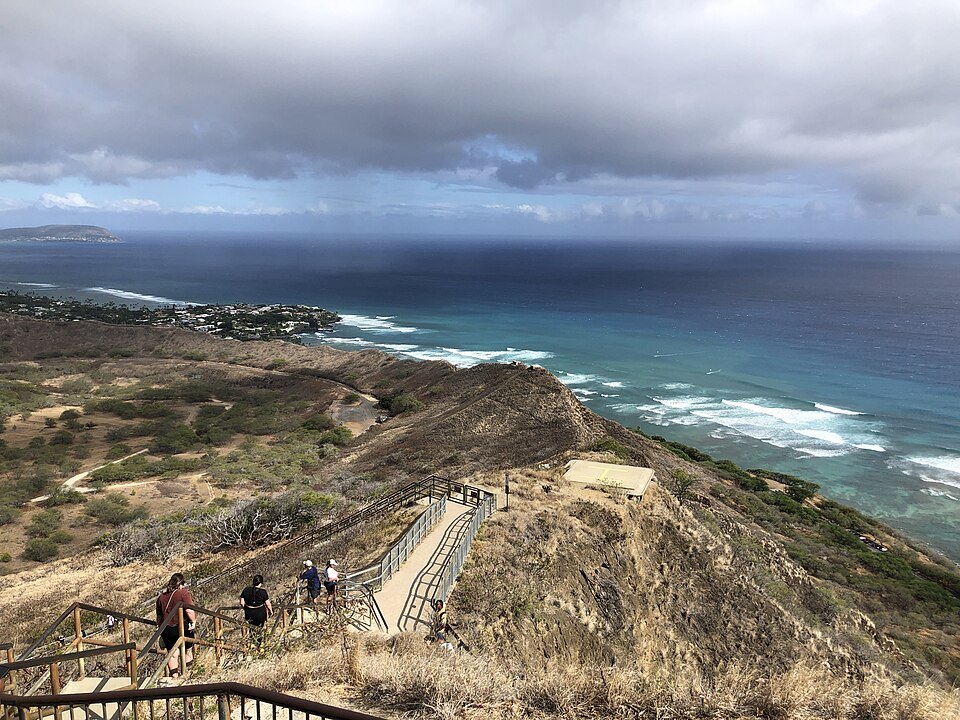
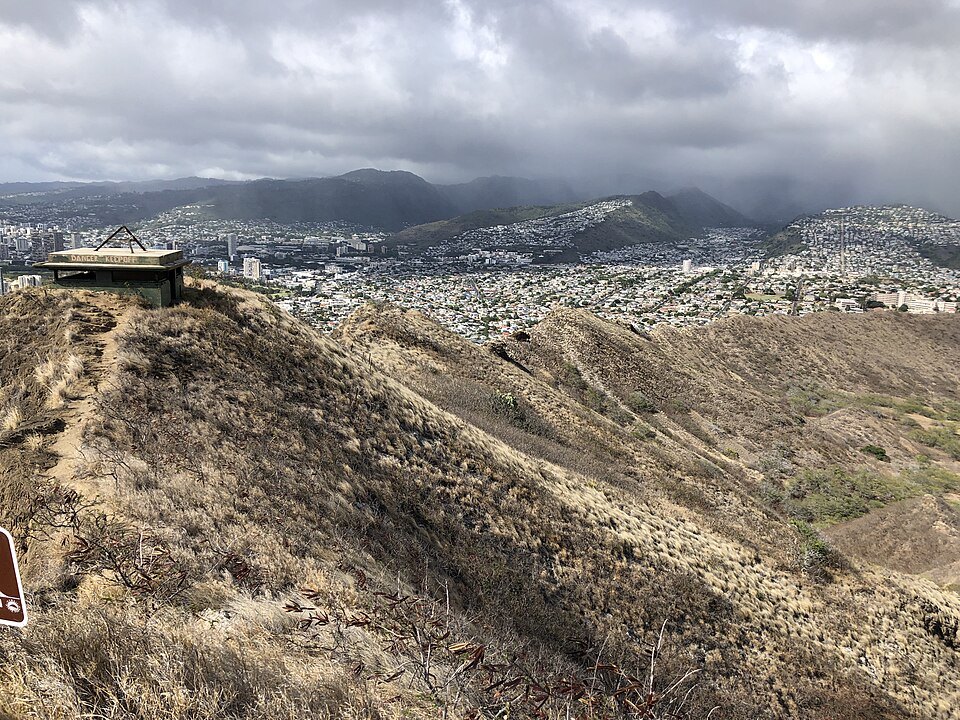
At the eastern end: the park laid out for horse racing in 1877, with a war memorial pool of 1927; and the tuff cone of Lēʻahi, climbed on an army trail of 1908. Behind the city: the war cemetery in Punchbowl's crater; the forest loop over Tantalus and its lookout; the rainforest falls at the head of Mānoa; and the state museum of history and nature, founded in 1889.
Choosing what to see
Most visitors come for Waikīkī and Diamond Head, and they should see both. But Honolulu is also the only American city with a royal palace, and its Capitol District is the part of the city no other place can offer. Give it a full day, with a tour of the palace. Chinatown and the harbor make a second day, and a day in the valleys, at Mānoa Falls and the Tantalus lookout, shows the green, rainy side of the city that the beach never does.
If you have only a little time, choose one sight from each group: the palace, Chinatown, Ala Moana at sunset, Diamond Head in the morning, and the view from Tantalus. The itineraries page arranges the sights into days.
What needs a ticket
Most of the city's sights are free to see: the beaches and parks, the palace grounds, the Kamehameha statue, the Capitol's open atrium, Chinatown's streets and markets, Aloha Tower's quay, the Kakaʻako murals, Punchbowl, and the Tantalus road. A few charge admission or need a reservation: the rooms of ʻIolani Palace, the museums, Foster Botanical Garden for visitors, and the Diamond Head summit trail, which requires a reservation for visitors who are not residents. See booking ahead for how to book, and check each place's own site for prices and hours, which this site never gives.
Places that ask for respect
Several of the sights are graves, memorials or sacred places, and they ask for more care than a museum. Punchbowl is a national cemetery where families still bury their dead. The grounds of ʻIolani Palace include Pohukaina, a royal burial site, and King Lunalilo's tomb stands in the churchyard of Kawaiahaʻo. At Waikīkī, the stones of Kapaemahu are honored in Hawaiian tradition. The Bishop Museum holds sacred objects that it displays with care.
At all of these, keep your voice low, stay on the paths, do not climb or touch, and do not photograph mourners or worshippers. This site does not picture graves or sacred objects; you will see them for yourself.
Getting between them
The Capitol District, Chinatown and the harbor are close enough to walk between in minutes. Waikīkī, Kapiʻolani Park and the foot of Diamond Head are joined by Kalākaua Avenue and the beach. Between downtown and Waikīkī, and up to the museums and valleys, TheBus runs often, with free transfers on a HOLO card; Punchbowl and the Tantalus lookout are easiest by taxi or car. The getting around page explains each way of moving.
Many sights are outdoors, so plan the indoor ones, the palace and the museums, for the hottest part of the day or for a rainy one. Start early wherever you go. The city is warm all year, the sun is strong, and mornings are cooler, calmer and less crowded, both at the reserved sights and on the trails.
What is not here
A few well-known places in the city do not have pages of their own. The Honolulu Zoo and the Waikīkī Aquarium, both beside Kapiʻolani Park, are family outings rather than sights of the city's history. Shangri La, Doris Duke's house of Islamic art, is seen only on tours from the Honolulu Museum of Art. Capitol Modern, the state art museum, is near the Capitol. The shopping center at Ala Moana is the largest open-air mall in the world by its own description, and it needs no guide. Each is mentioned on the page nearest to it.