Where to Stay in Honolulu, Area by Area
How to choose
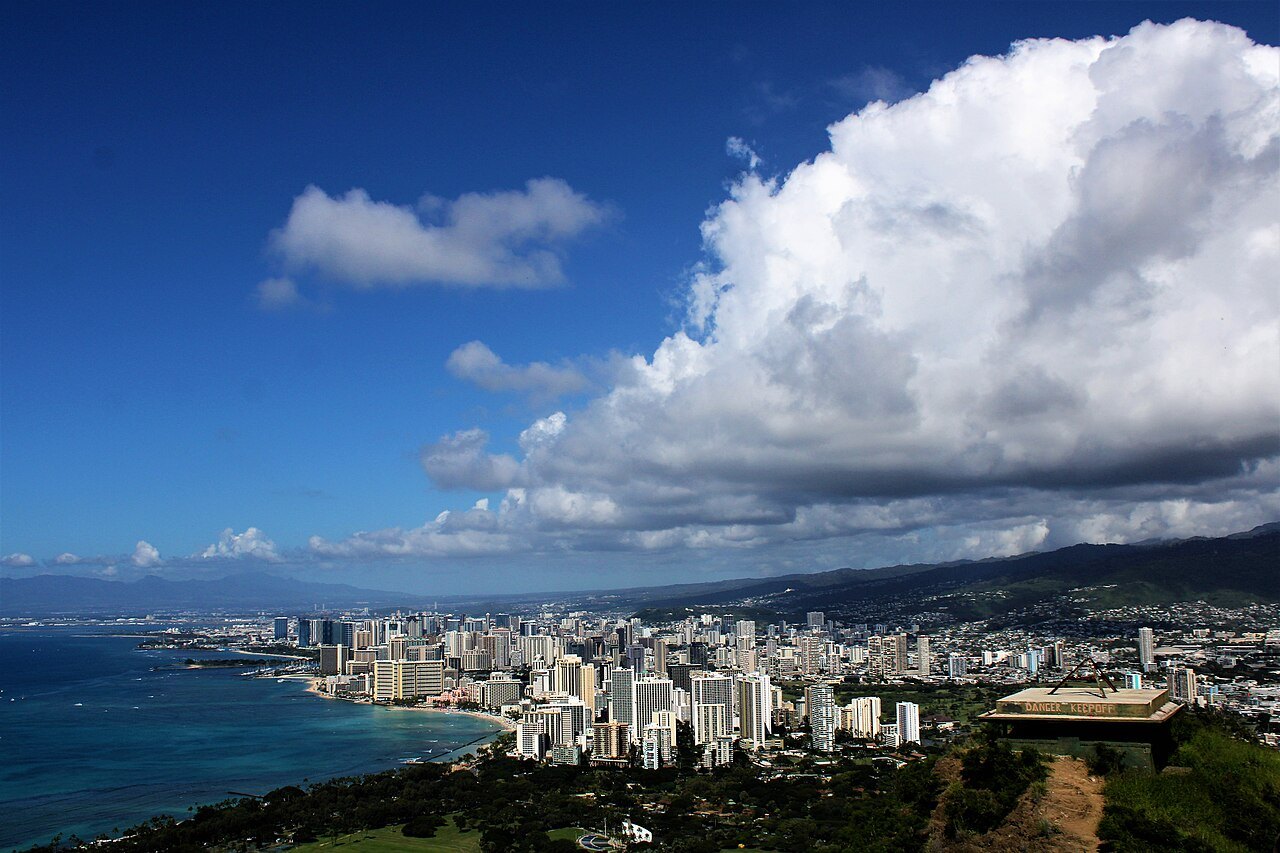
Honolulu is a long city, and where you sleep decides how you spend your days. The question is simple: do you want to walk to the beach, or do you want to live for a few days in the city that most residents know? Waikīkī answers the first; almost everywhere else answers the second. Most sights are reachable by TheBus from anywhere in the urban core (see getting around), so no choice here cuts you off.
Wherever you stay in Hawaiʻi, expect accommodation to cost more than on the mainland, because rents and the cost of living here are among the highest in the country. This site does not quote rates; check them directly, including taxes and fees. If you consider a vacation rental in a residential neighborhood, check that it is legal under the city's rules before you pay.
Waikīkī
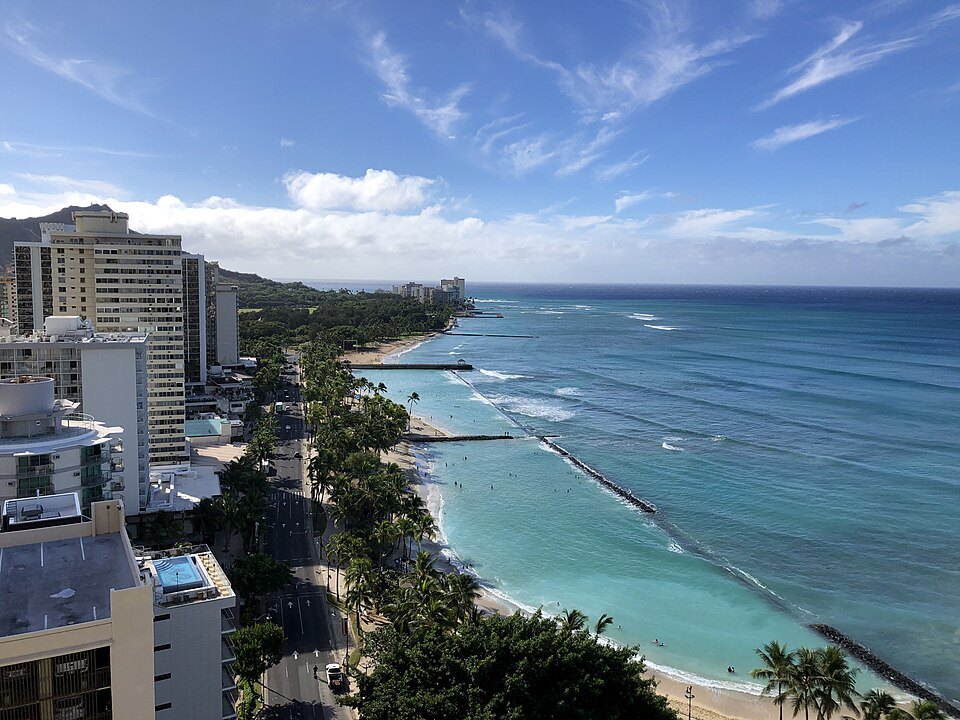
Waikīkī is Honolulu's tourist district: a narrow strip between the Ala Wai Canal and the ocean, next to Diamond Head, with most of Oʻahu's hotel rooms along Kalākaua and Kūhiō avenues, the eight beaches of Waikīkī Beach, and shops, restaurants and nightlife. For a first visit it is the easiest base in the islands. You can walk to the sand every morning, reach Kapiʻolani Park and the Diamond Head trail, and catch buses to everywhere else.
Its character changes along its length. The Diamond Head end, toward Kapiʻolani Park and Kaimana Beach, is closest to the park and the crater. The center, around Kūhiō Beach and the historic Moana and Royal Hawaiian hotels, is the heart of the district. The western end runs to Fort DeRussy and the Hilton lagoon. Rooms on the Ala Wai side look inland toward the mountains.
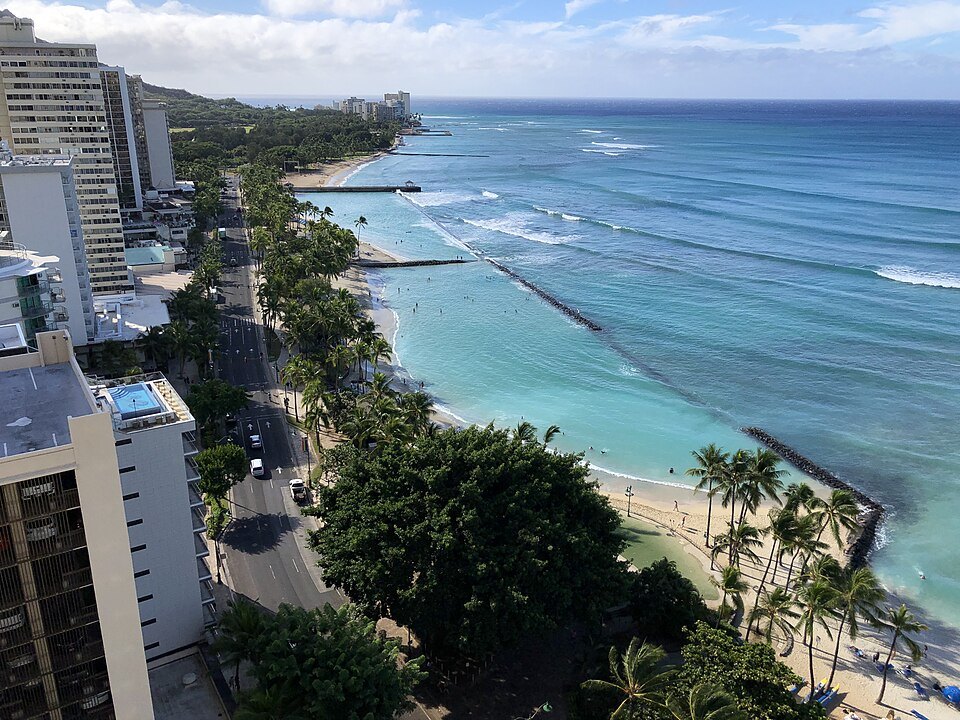
Waikīkī's downside is its density: crowds, traffic, street noise from Kalākaua, and some of the highest prices in the city. It is a resort district, not a neighborhood, and it has been one for a long time: a few small hotels opened in the 1880s, the Moana in 1901, and the first high-rise hotels, the Biltmore and the Princess Kaʻiulani among them, in 1955. The boom that followed gave Waikīkī the wall of towers it has today.
Ala Moana and Kakaʻako
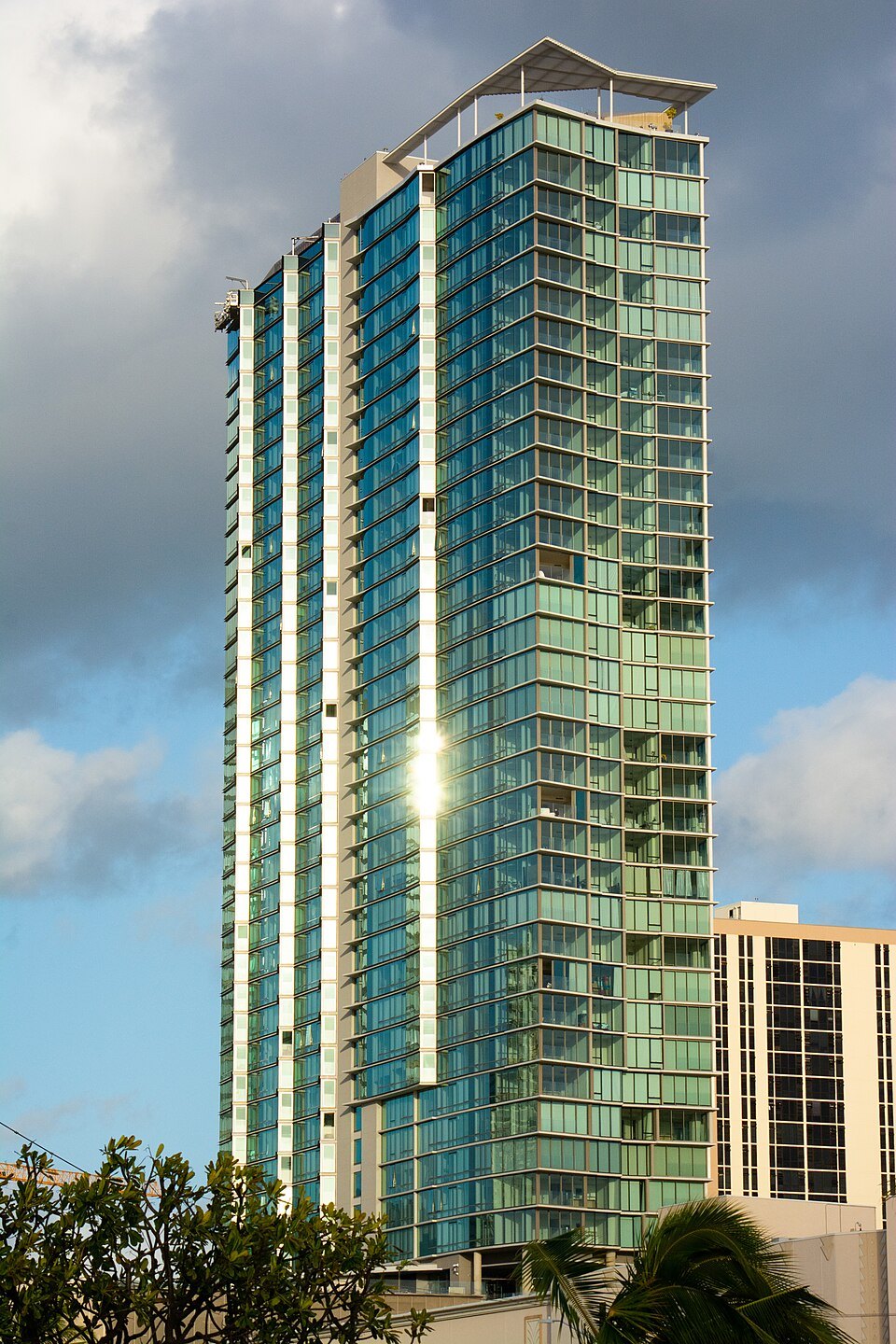
Between Waikīkī and downtown, the districts around the Ala Moana shopping center and Kakaʻako have changed fast, with new residential towers, some hotels and serviced apartments. They sit next to Ala Moana Beach Park, where the city itself goes to swim, and Kakaʻako's murals, cafés and waterfront park. It is a good base for a longer stay, or for travelers who want a beach without Waikīkī's crowds. The main roads are busy, and some blocks are still under construction; when Skyline reaches Kakaʻako, planned for 2031, the district will have a rail station.
Downtown and Chinatown
Staying downtown puts you in the Capitol District, among the kingdom's buildings, next to the harbor and a few blocks from Chinatown's markets and the Arts District around the Hawaiʻi Theatre. It suits travelers more interested in history, food and performances than in the beach, and business travelers. There are fewer hotels here than in Waikīkī, and many streets are quiet after the offices close; keep to the lit, busy blocks at night. The beach is a bus ride away.
Mānoa and Mōʻiliʻili
Mānoa is a residential valley inland from Waikīkī, a neighborhood of older houses and low-rise condominiums with the main campus of the University of Hawaiʻi on its floor. It is greener and rainier than the shore, and it has the Mānoa Falls trail at its head. Accommodation here is mostly small guest houses and apartments. Mōʻiliʻili, just below it, is the commercial district nearest the university, at South King Street and University Avenue, with shops and small restaurants; its name means “pebble lizard,” and in 1930 most of its residents were of Japanese ancestry. Both suit quiet, longer stays.
Kaimukī, Kapahulu and Kāhala
Behind Diamond Head, Kaimukī is a residential neighborhood with a commercial strip along Waiʻalae Avenue, and Kapahulu leads from Waikīkī's eastern edge toward it. These are local neighborhoods with few hotels, good for repeat visitors who want to eat where residents eat and are content to ride the bus to the beach.
Kāhala and Waiʻalae, directly east of Diamond Head, are among the most expensive districts in the city, with large homes, the Waiʻalae Country Club and the Kahala Hotel & Resort on its beach. It is secluded and calm, but you will need a car or taxis to reach the rest of Honolulu.
Makiki and the slopes
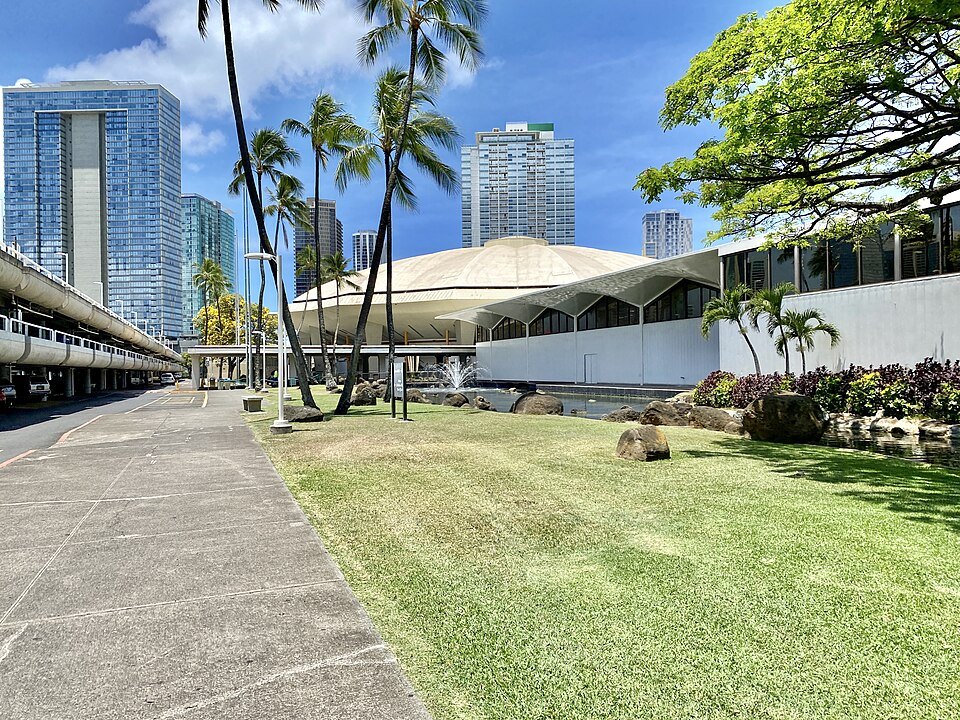
Between downtown and Mānoa, Makiki climbs from the H-1 freeway toward Round Top Drive, a neighborhood of older houses, small apartment buildings and side streets, with Punahou School, a hospital, a library and parks. Punchbowl and Tantalus look down on it, and the state's hiking trails climb the valley heights behind. It has few places to stay, but it shows how most of the city lives, and it is close to both downtown and the forest roads.
Toward the airport, and the east
West of downtown, Kalihi and Pālama are working-class neighborhoods, with a light-industrial district toward the ocean, the Bishop Museum in their midst, and, further on, Salt Lake and Āliamanu built in old volcanic tuff cones near the airport, and Moanalua with the Army's Tripler hospital. Few visitors stay here, except the night before an early flight.
At the other end of the city, East Honolulu stretches past Diamond Head and Kāhala through the residential communities of ʻĀina Haina, Niu Valley and Hawaiʻi Kai. The census counts it separately, but it is part of the city's urban core in all but name, and it is mostly suburban homes, with the island's southeastern coast beyond.
Staying outside the city
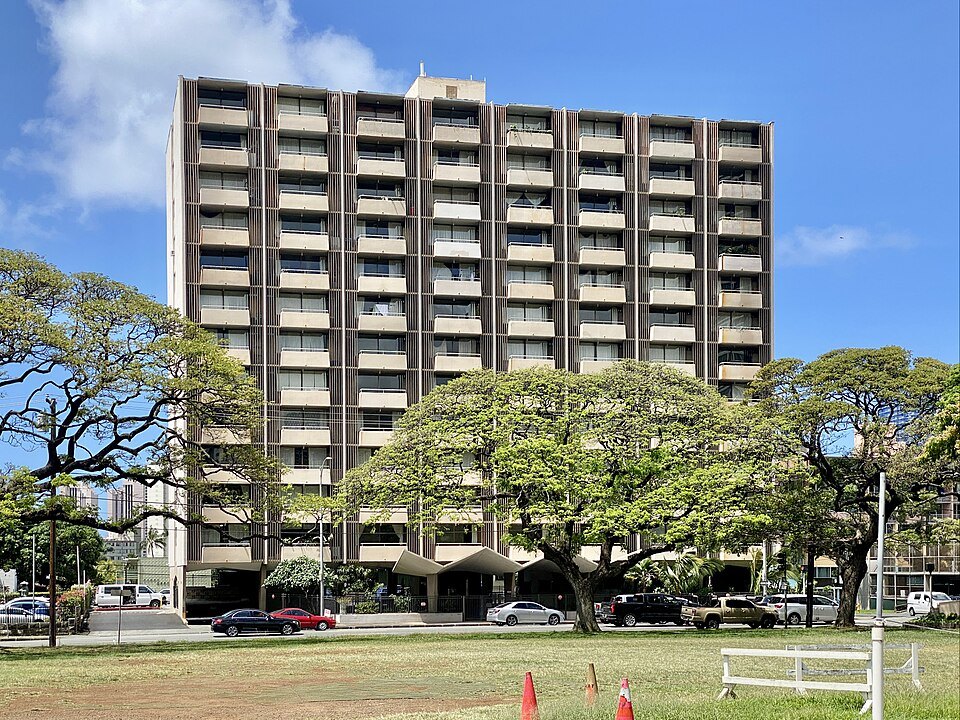
Some visitors base themselves elsewhere on Oʻahu, in the resort areas of the west, on the windward coast or on the North Shore. That changes the trip: you trade the city for quieter beaches and need a car for everything. This site covers the city; the rest of the island appears on day trips. For the seasons and the weather in each part of the island, see when to come.