Home · Sights · The Honolulu Museum of Art
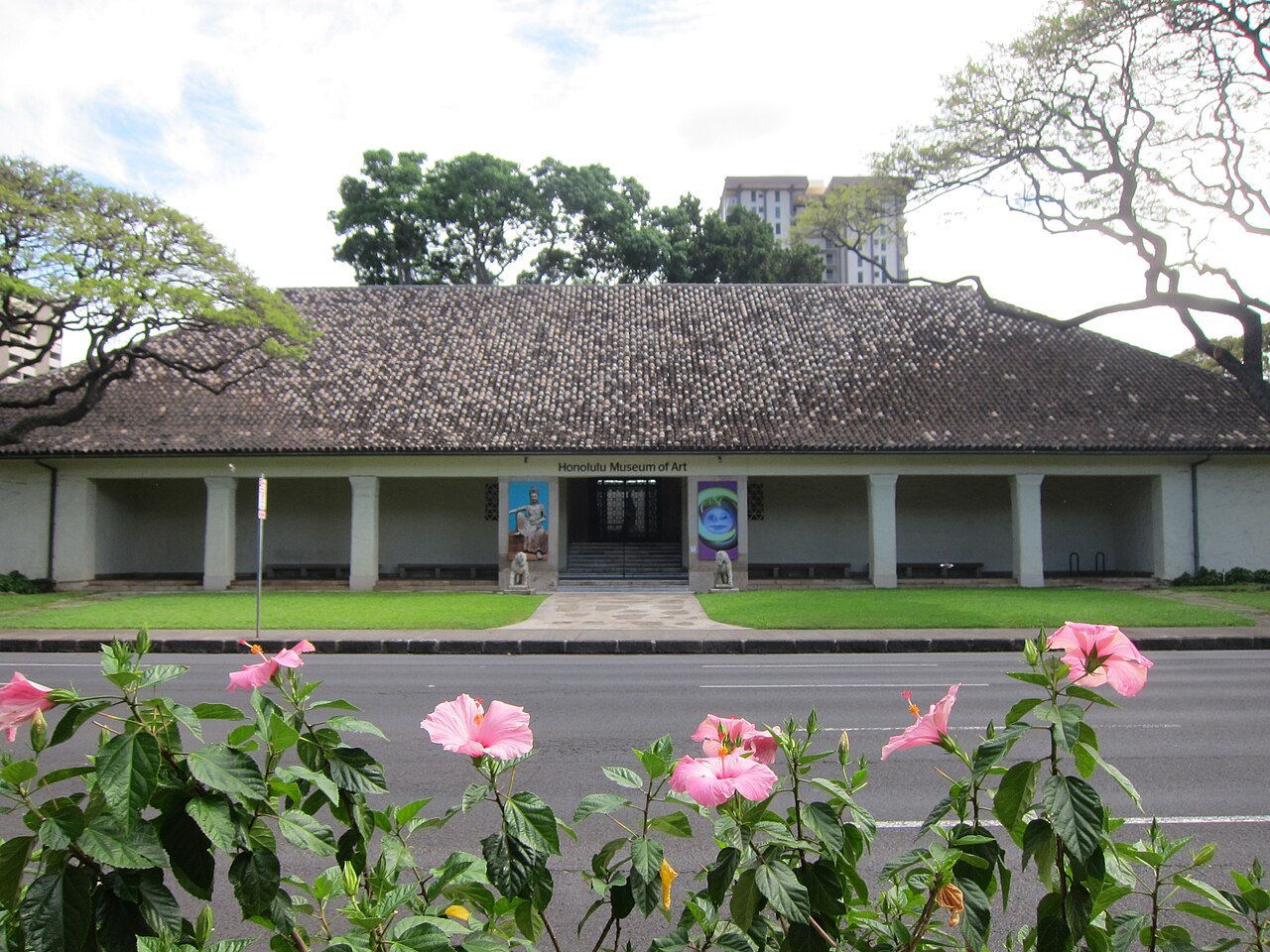
The Honolulu Museum of Art
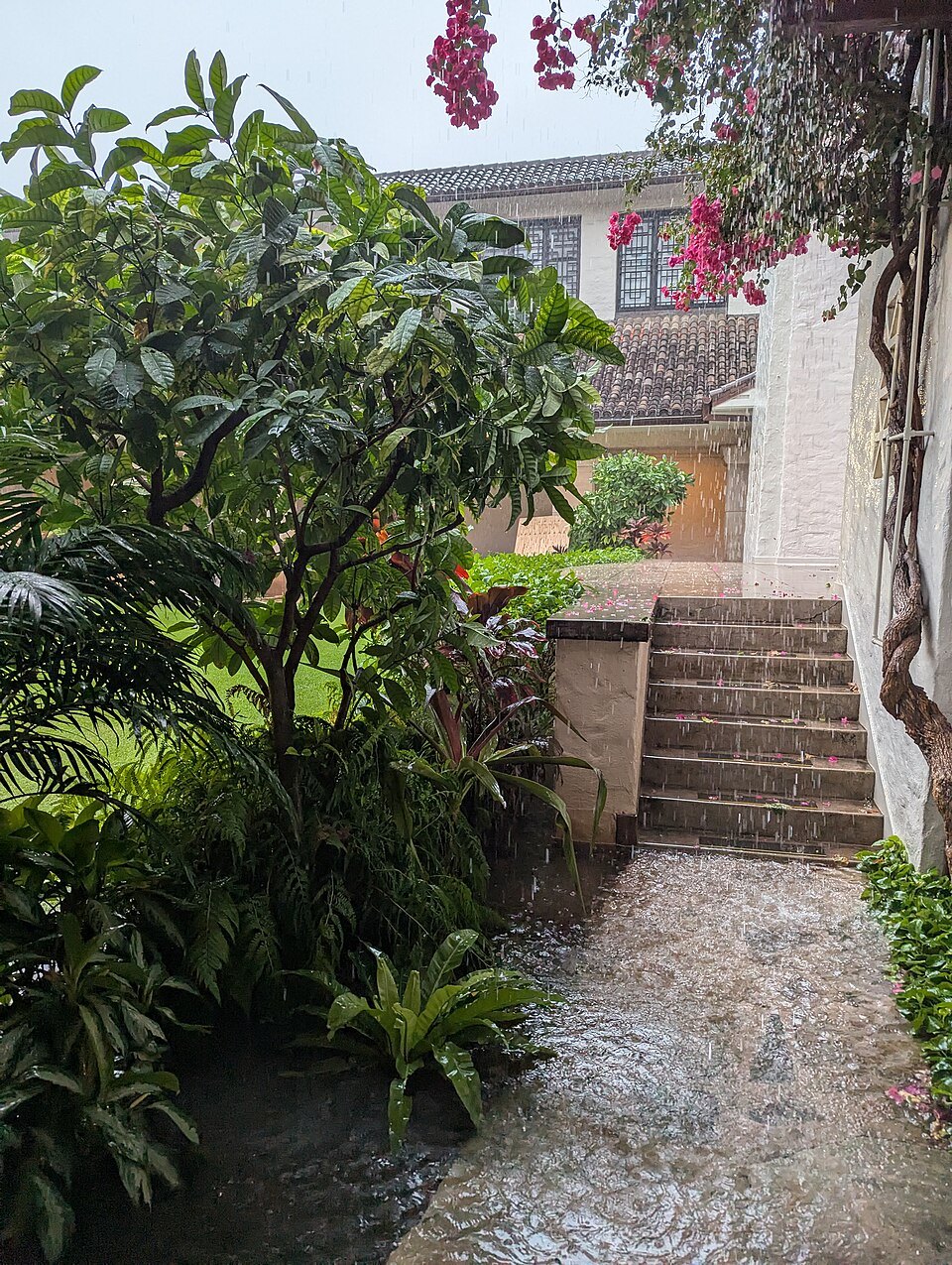
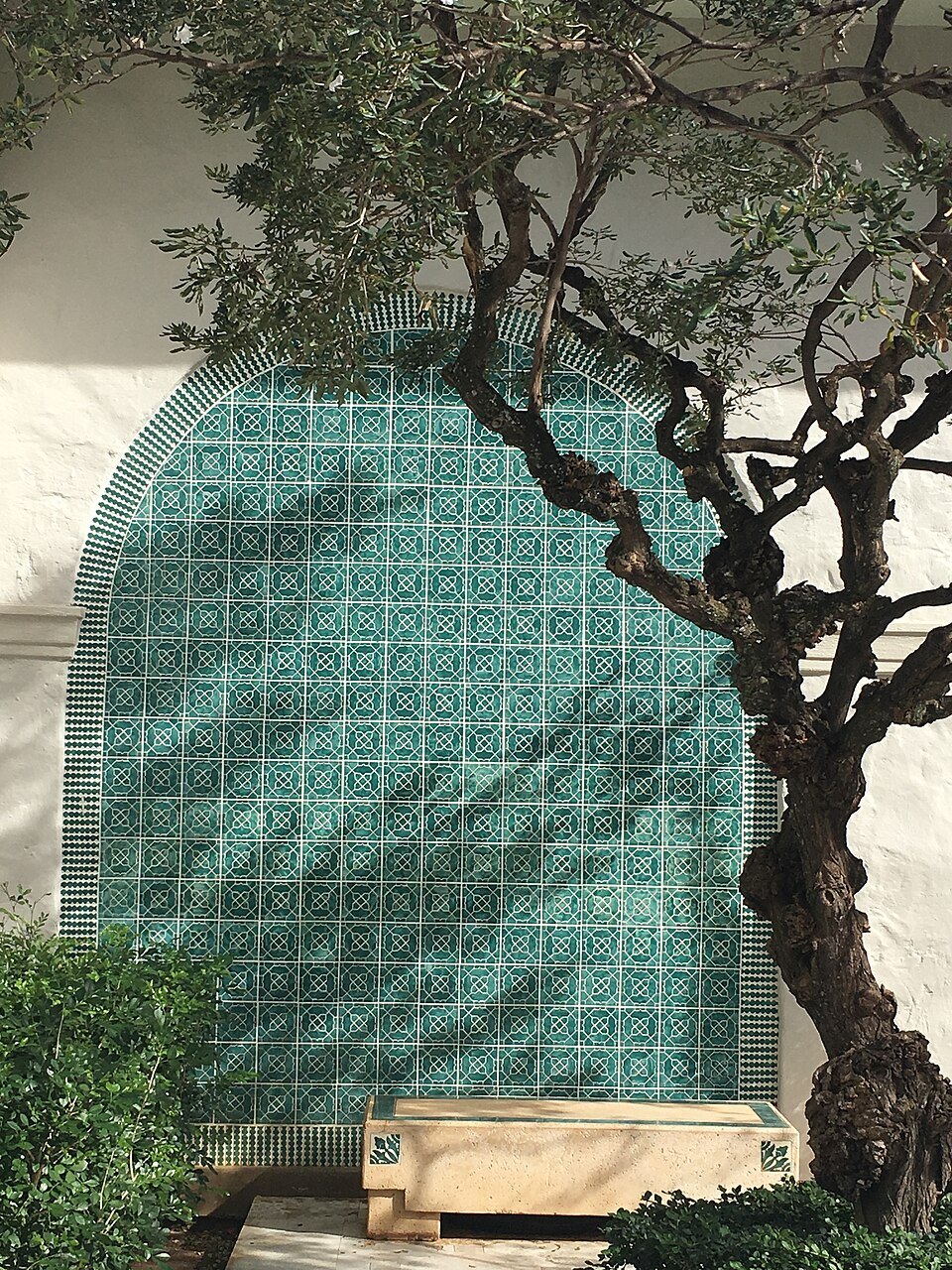
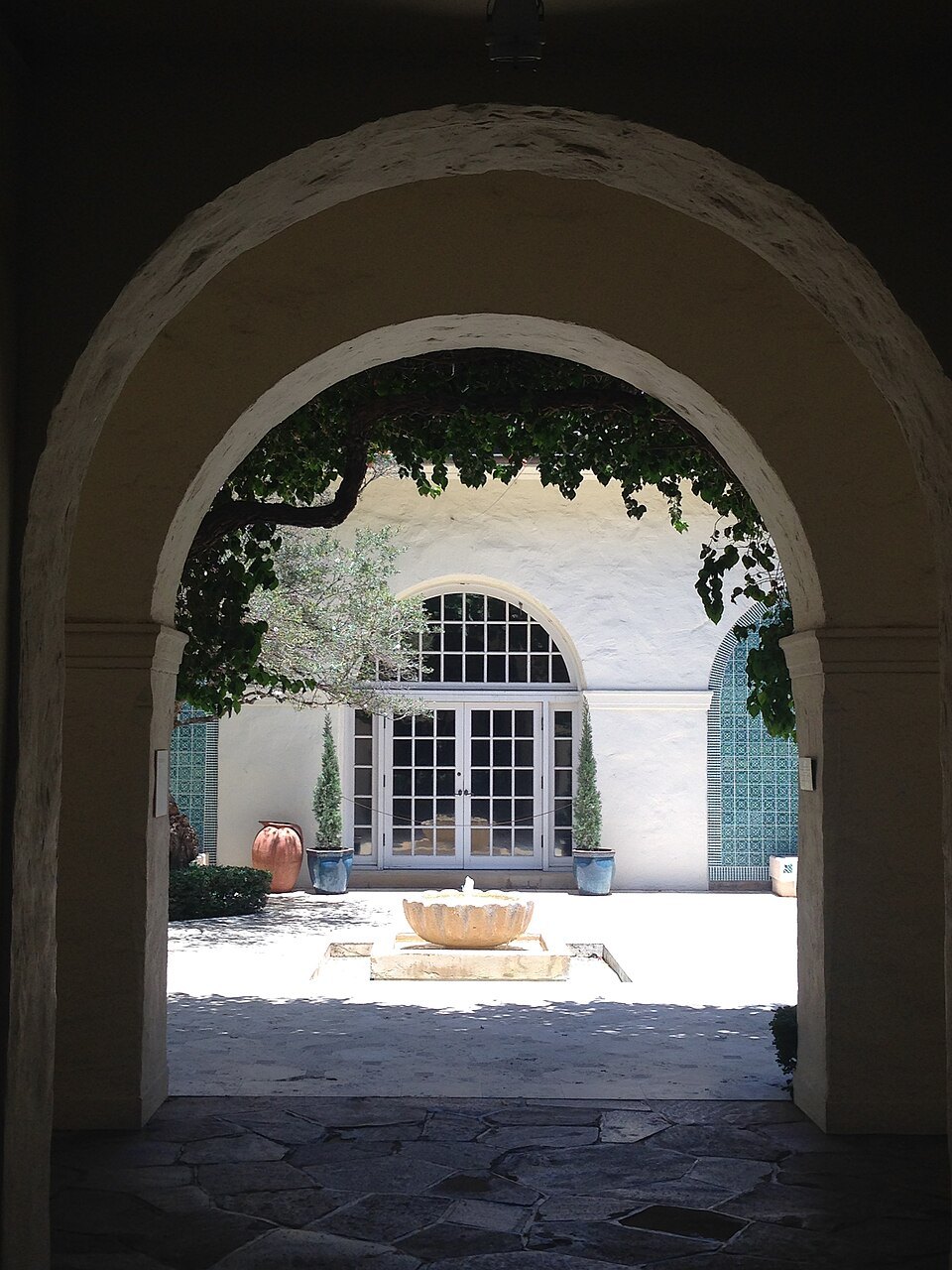
- iThe courtyardsSix open courtyards threaded through the galleries, planted and paved, with fountains and shade.
- iiThe Asian galleriesMore than 20,000 works from Japan, China, Korea, India, Southeast Asia and the Philippines.
- iiiEuropean and American artRenaissance panels through Impressionism to modern painting, and a large collection of works on paper.
- ivArt of HawaiʻiA gallery for Hawaiian traditional arts, and the work of artists who lived and painted in the islands.
- vThe Doris Duke TheatreA 280-seat theater inside the museum for films, concerts and lectures.
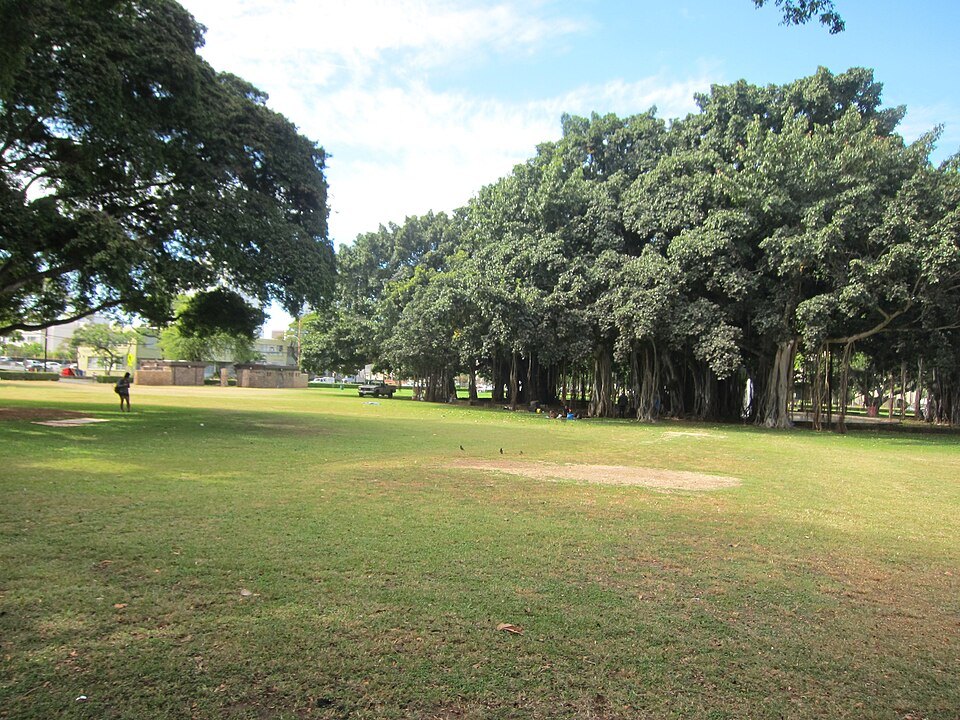
- viThomas SquareThe park across Beretania Street, the oldest city park in Hawaiʻi, named in 1850.
Reading the place
Why it matters
The Honolulu Museum of Art, known until 2012 as the Honolulu Academy of Arts, is the largest art museum in Hawaiʻi. Its collections have grown to more than 55,000 works since it opened on 8 April 1927, and its holdings of Asian and Pacific art are among the largest in the United States. J. Carter Brown, the long-serving director of the National Gallery of Art in Washington, called it “the finest small museum in the United States.”
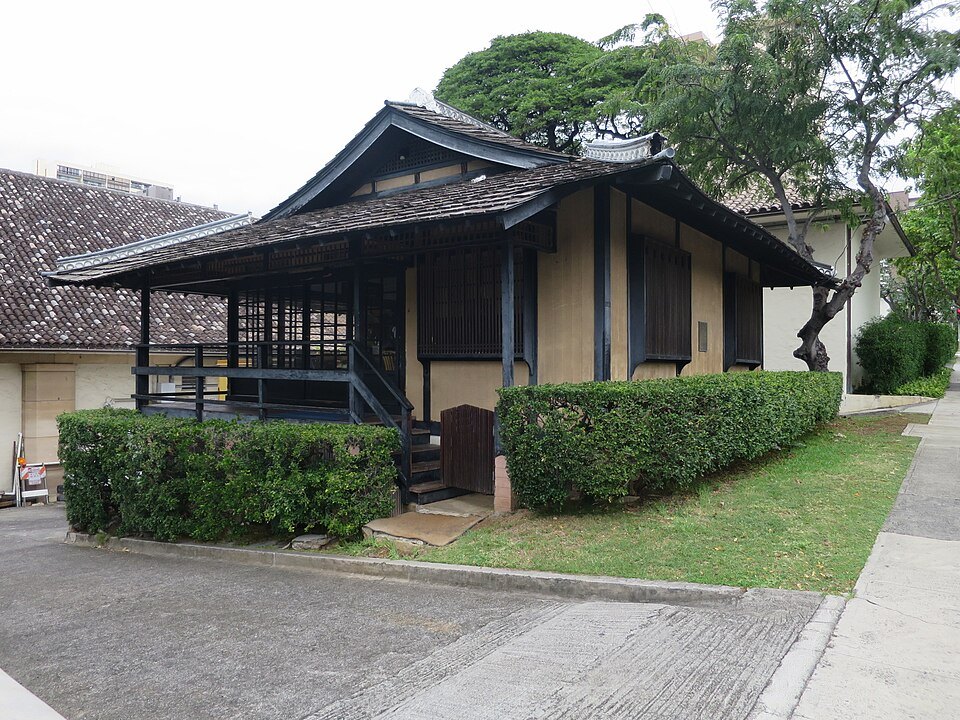
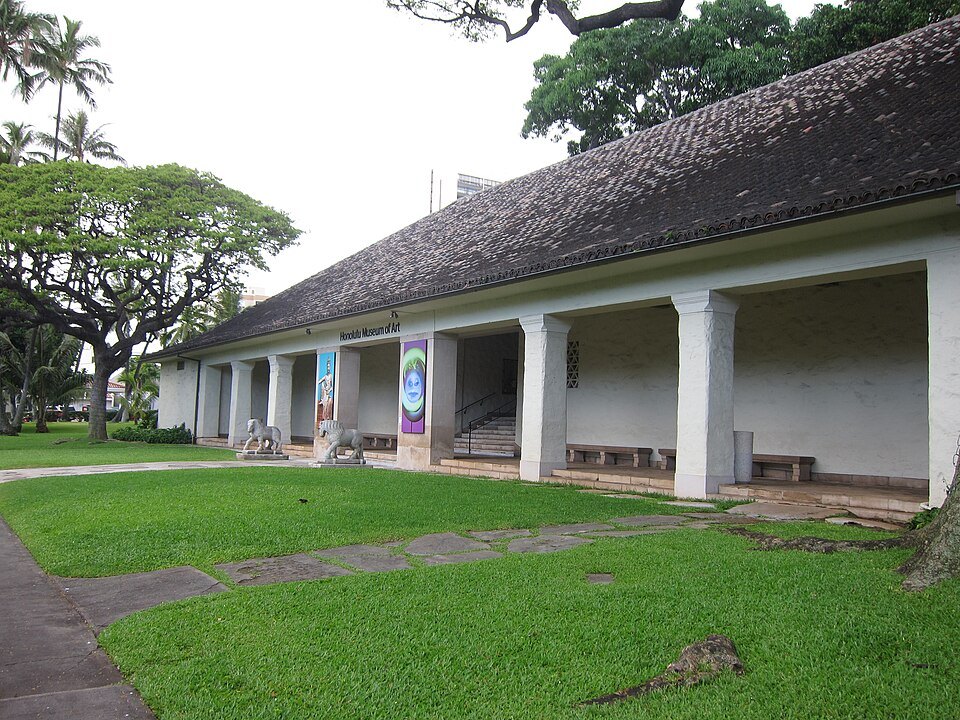
It is also a building worth coming for on its own. The museum's white walls and tiled roofs, its covered walks and its courtyards open to the sky set a style for island architecture that many later buildings in Honolulu copied, and the original building has been named Hawaiʻi's best building by the local chapter of the American Institute of Architects.
Anna Rice Cooke's museum
The museum was founded in 1922 by Anna Rice Cooke, a daughter of New England missionaries, whose family's art collection had outgrown their home and the homes of their children. With her daughter, her daughter-in-law and an art teacher, she began cataloguing the collection with the aim of showing it publicly. The family gave their land on Beretania Street, and their house was torn down to make room for the museum.
At the opening she explained what she wanted: that the children of the islands, “of many nationalities and races, born far from the centers of art,” should see the art of their own heritage and of their neighbors'. That idea, a museum for a city of many peoples, explains why the Asian galleries sit beside the European ones on equal terms.
In 2011 The Contemporary Museum gave its collection to the Academy, and in 2012 the combined institution took its present name.
The building
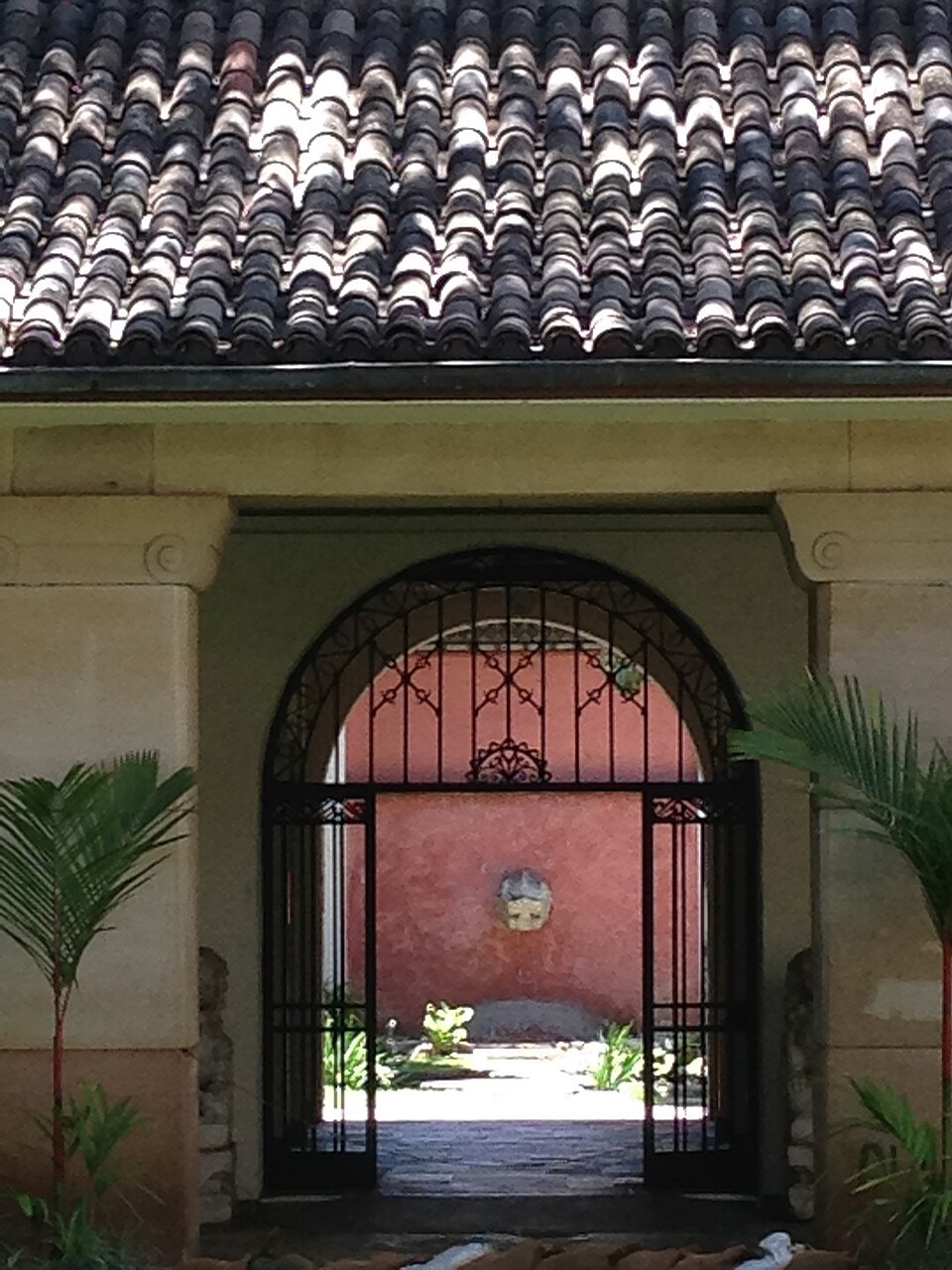
The New York architect Bertram Goodhue designed the building in what was called a classic Hawaiian style, with simple off-white walls and tiled roofs; he died before it was finished, and Hardie Phillip completed it. The permanent collection is shown in thirty-two galleries arranged around six courtyards, so that a visit alternates between rooms and open air, and between art and garden. The courtyards are among the best places in the city to sit quietly for a while.
Later additions include the Henry R. Luce Pavilion of 2001, with a wing of galleries, and the museum's art school, opened in 1990. The Robert Allerton Art Library, founded with the museum, holds about 45,000 books and periodicals and has a reading room open to the public.
The Doris Duke Theatre, a 280-seat hall inside the museum refurbished and named for her in 2002, shows films and hosts concerts and lectures; the museum's calendar lists what is on.
What you see
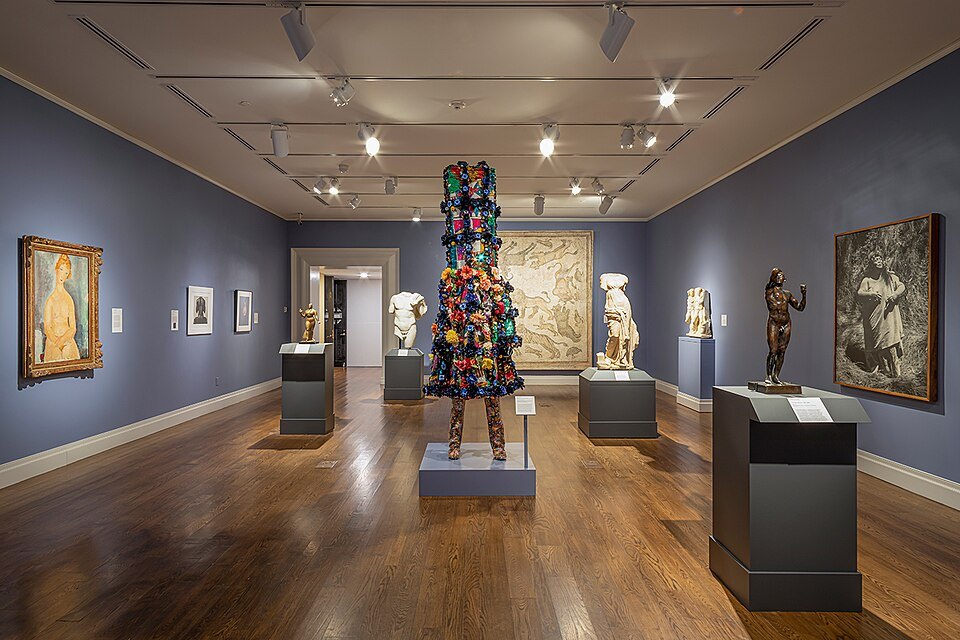
The Asian collection, more than 20,000 works, is especially strong in Chinese and Japanese painting, Korean ceramics, Buddhist and Shinto sculpture, the sculpture and decorative arts of South and Southeast Asia, and textiles; its centerpiece is the James A. Michener Collection of more than ten thousand Japanese ukiyo-e woodblock prints, the third-largest of its kind in the United States. Only a small part can be shown at once, so the print galleries rotate. The European and American galleries run from Italian Renaissance paintings of the Kress collection through Impressionist and Post-Impressionist painting to modern and contemporary work, with a graphics collection of more than 23,000 works on paper.
The names in the European and American rooms reach further than most visitors expect of a museum this far out in the Pacific: paintings by Paul Cézanne, Mary Cassatt, Gustave Courbet, Albert Bierstadt, Frederic Edwin Church, Pierre Bonnard and Francis Bacon, and sculpture by Aristide Maillol, Henry Moore, Louise Nevelson, David Hockney and Dale Chihuly. The mix is broad rather than deep, which suits a single afternoon.
There are also galleries for the art of Africa, Oceania and the Americas, and galleries that trace the history of art in Hawaiʻi: Hawaiian traditional arts, and works by artists who lived in or painted the islands, including painters of the volcanoes of the nineteenth century. Exhibitions change through the year, so the rooms you see will not be the same on every visit.
Thomas Square
Across Beretania Street from the museum is Thomas Square, the oldest city park in Hawaiʻi. In 1843 a British captain, Lord George Paulet, seized the kingdom; that July, Admiral Richard Darton Thomas arrived, overruled him and handed the islands back to Kamehameha III at a ceremony on this ground. The king's words that day, Ua mau ke ea o ka ʻāina i ka pono, roughly “the sovereignty of the land is perpetuated in righteousness,” later became the motto of the state. In 1850 the king named the square after the admiral and made it a public park. It is one of the few places where the Hawaiian flag flies alone.
How to visit
The museum keeps its own days and hours and charges visitors for admission; check its site, where special exhibitions and events are listed. Guided tours run through the day. Give the galleries time, especially the Asian collection; the café and the courtyards make a good break halfway.
Tours to Shangri La, Doris Duke's Honolulu estate and her collection of Islamic art, are arranged through the museum and must be booked in advance; see booking ahead. The museum is on Beretania Street between downtown and Waikīkī, within walking distance of the Capitol District, and served by buses on Beretania Street (see getting around).
Nearby
- NearbyThe State Capitol and Washington PlaceA capitol opened in 1969 whose columns are palms and whose chambers are volcanoes, open to the sky; beside it Washington Place, where Queen Liliʻuokalani was arrested in 1895 and lived until her death.Read the page
- NearbyKakaʻakoThe district between downtown and Ala Moana, a Hawaiian community of fishponds and salt pans, then an industrial zone of warehouses, and now painted with murals and rising in glass towers, with a waterfront park and a boat harbor on its shore.Read the page
- NearbyFoster Botanical GardenThirteen and a half acres of giant trees and orchids at the edge of Chinatown, begun by a German doctor in 1853 and left to the city by Mary Foster, with a sacred fig grown from the Bodhi tree.Read the page