The Ocean at Honolulu
Read this before you swim
Most visitors to Honolulu come for the ocean, and the city's beaches are among the safest on Oʻahu: the south shore is protected by reef, and in most seasons its waves are small. But the water here is the open Pacific, conditions change quickly, and visitors are hurt every year by waves, currents and reef they did not expect. The advice of the state's health department is simple: swim at beaches with lifeguards, ask the lifeguard before you go in, and read and obey every posted sign. The lack of a sign does not mean the water is safe.
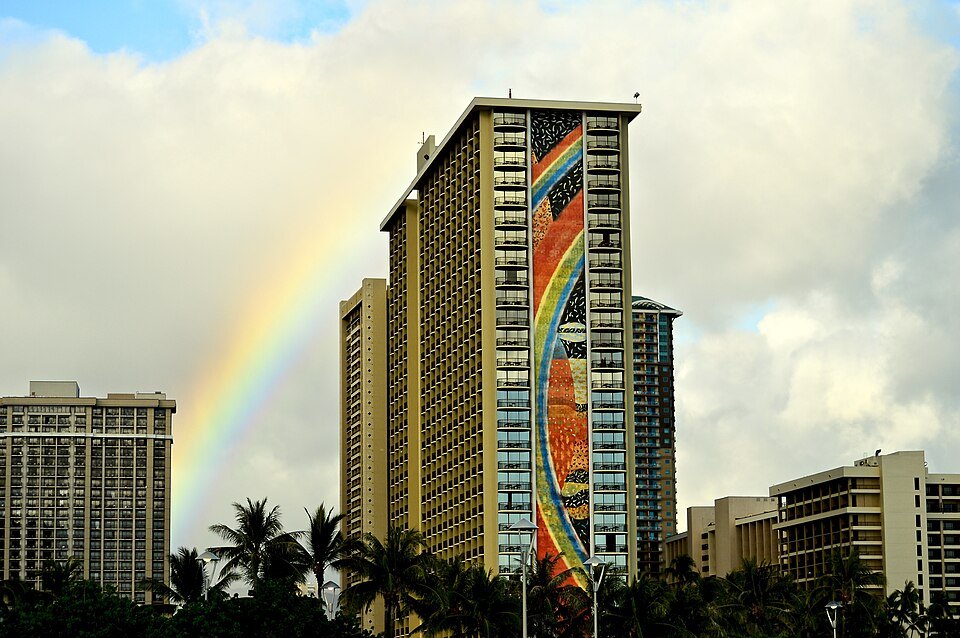
This page explains the signs you will see and the beaches in the city, and it sets out the rules that protect the reef and its animals. For the beaches themselves, see Waikīkī, Ala Moana and Kapiʻolani Park.
Which beach for which swimmer
Waikīkī's long, gentle break is the classic place to learn to surf, and the sheltered water behind the Kūhiō Beach seawall suits children and weak swimmers. The water at Waikīkī stays shallow a long way out, but the bottom has rocks and reef, and waves can have force on windy days. Keep to the swimming areas, away from surfers, who have half the beach.
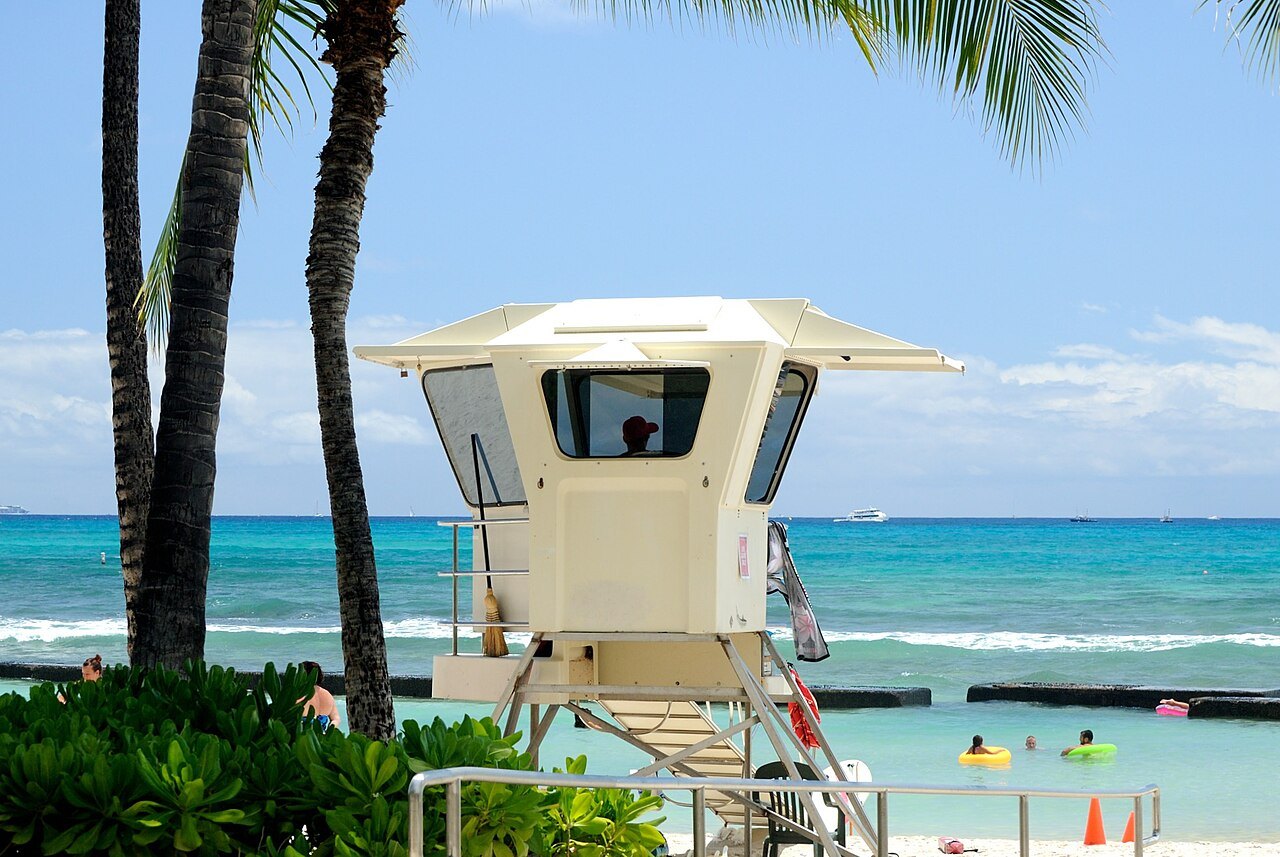
At Ala Moana Beach Park the water is usually calm because the reef protects it, but the bottom drops quickly into an old dredged channel, twenty to thirty feet deep, a few steps from the sand. Weak swimmers should use the eastern end, where the bottom is sandy, or the lagoon at Magic Island. Kaimana Beach, beside the Natatorium at the Diamond Head end of Waikīkī, is sandy and has a lifeguard tower.
The dangerous beaches of Oʻahu are mostly outside the city, and they are the ones most often in the news. Sandy Beach, Makapuʻu and Waimea Bay, among others, are known for shorebreak that injures even strong swimmers; in winter, storms in the North Pacific send huge waves onto the North Shore, while in summer Waimea is often calm and clear. If you drive out on a day trip, choose a lifeguarded beach and ask before you swim.
Lifeguards and the signs
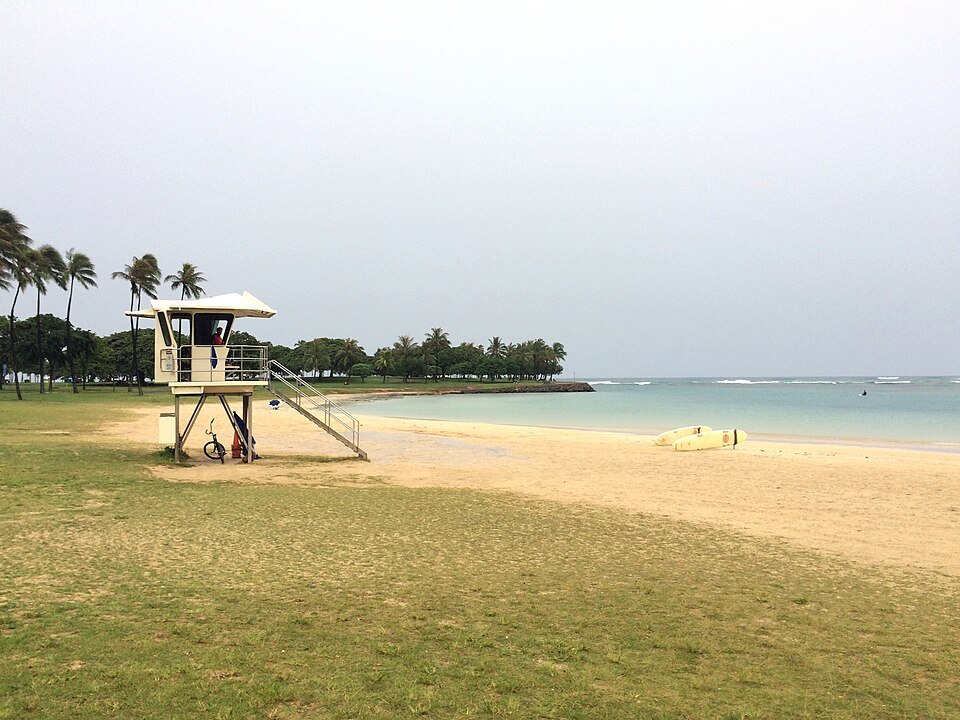
The Honolulu Ocean Safety Department staffs lifeguard towers on the main beaches and posts the warning signs listed on this page. The same signs are used at lifeguarded beaches across the islands, and they are posted for the day's conditions, so the sign at the tower is the one that counts, not what you saw yesterday.
When you arrive, walk to the nearest tower, look at the signs and ask the lifeguard where the best place to swim is today. They are glad to be asked. Swim between the towers where you can, and not alone.
Currents
Two kinds of current cause most rescues. A rip current is a narrow, fast channel of water running away from shore, often where waves are not breaking; a strong current is a powerful flow along or away from the beach, which often comes with high surf and fast-changing tides and shows as a turbulent channel between areas of breaking waves.
If you are caught, do not fight the current by swimming straight back to shore. Stay calm, float, and swim parallel to the beach, or diagonally across the current, until you are out of it; then swim in. Raise an arm and shout if you need help.
Surfing and paddling
Waikīkī is where modern surfing grew up, and its surf is known for a long, rolling break that suits longboards, tandem surfing and beginners. If you want to try it, take a lesson from an established beach school rather than renting a board and paddling out alone: the lesson teaches you where to paddle, how to stay out of the way of experienced surfers, and how to fall safely in shallow water over reef.
Outrigger canoe rides and races also launch from the beach. Whatever you ride, remember that the swimming areas are separate from the surf zone, that boards are dangerous to swimmers, and that the reef is only a few feet down in many places, even far from shore.
The reef and its animals
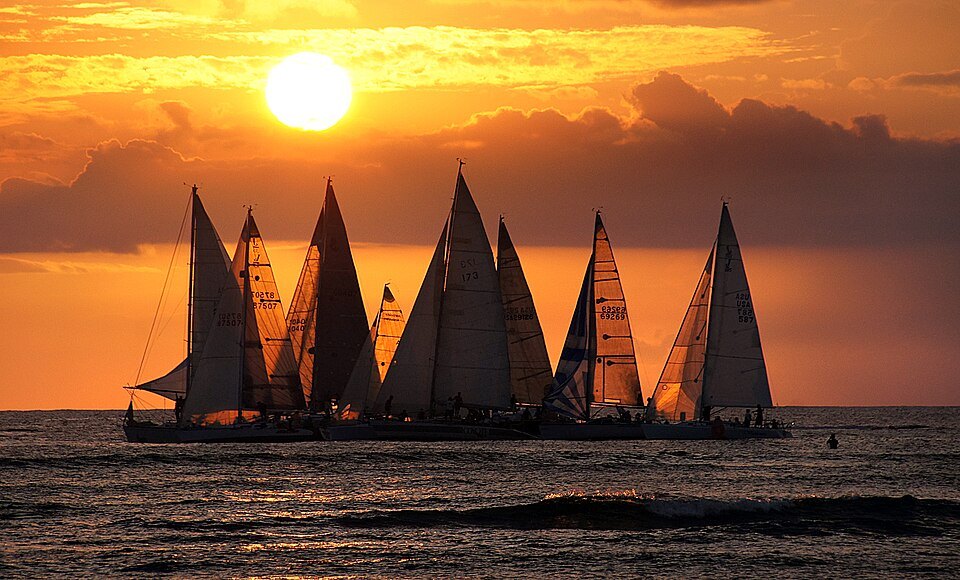
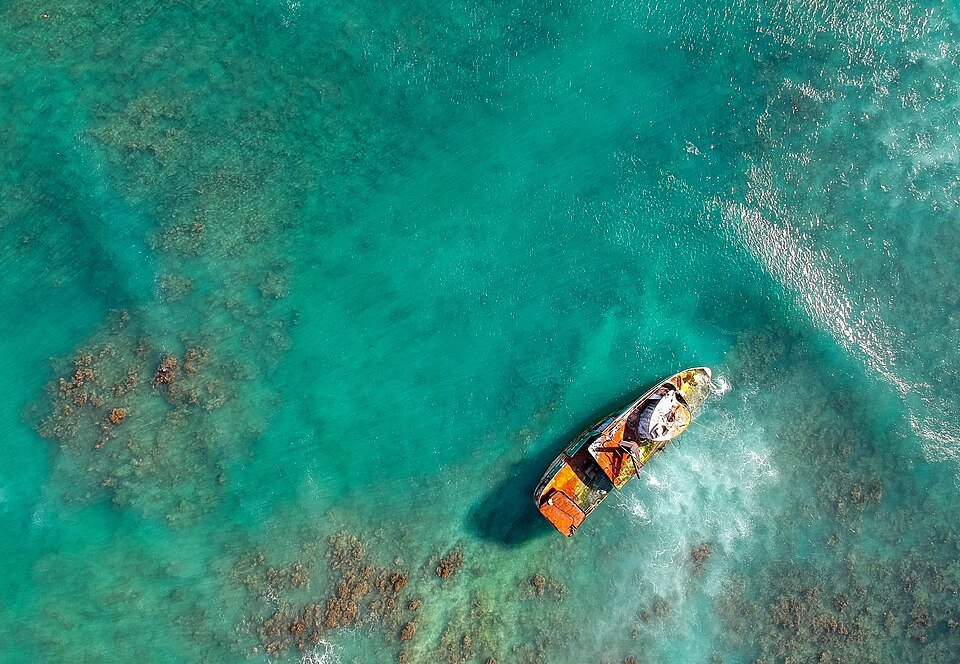
The reef that makes the south shore calm is alive. Coral is sharp and easily broken: do not stand on it, touch it or take pieces, and wear something on your feet where the sign warns of sharp coral. Box jellyfish tend to arrive on the south and leeward shores nine to ten days after the full moon, and lifeguards post warnings when they do; Portuguese man-o-war come ashore with strong onshore winds and can sting even when stranded on the sand.
You may meet green sea turtles in the water off Waikīkī and, occasionally, a Hawaiian monk seal resting on the sand. Both are protected. Federal guidelines ask you to stay at least ten feet from turtles and at least fifty feet from monk seals, on land and in the water, and at least a hundred and fifty feet from a mother seal with her pup. Never touch, chase or feed them, keep your visit short, and use your camera's zoom. Report a sick or stranded animal to NOAA's marine wildlife hotline.
Sunscreen and the law
Since 1 January 2021, it has been illegal in Hawaiʻi to sell or distribute sunscreen containing oxybenzone or octinoxate without a prescription. The law, Act 104 of 2018, was passed because the legislature found that these chemicals harm coral reefs. You may still bring your own sunscreen from home, but choose one without them.
A later bill to add two more chemicals, avobenzone and octocrylene, to the ban did not become law, whatever some labels and websites say. Rules can change, so check the state's current guidance if you want to be sure. A shirt and a hat protect your skin, and the reef, better than any lotion.
Surf, swell and the seasons
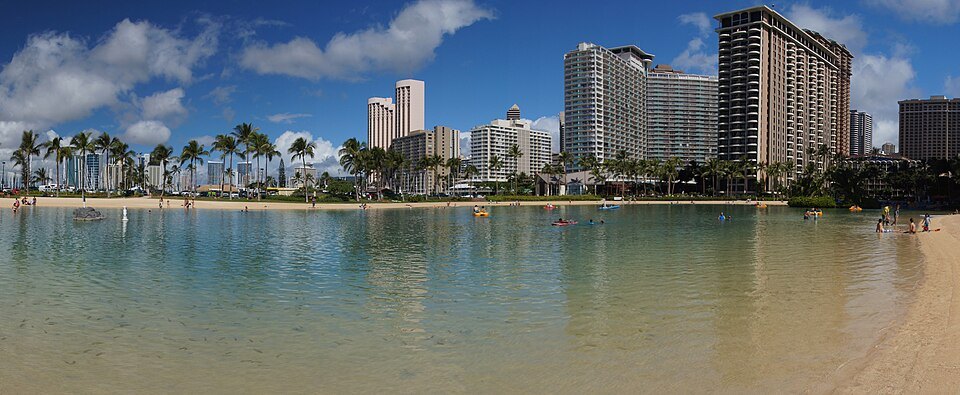
The south shore, where the city lies, gets its biggest waves in summer from swells generated far to the south, while the North Shore takes the huge winter surf. On a big south swell, surf at Waikīkī and Ala Moana can grow large enough for the state to issue high surf advisories, and lifeguards will close areas. Check the lifeguards' signs and the day's surf forecast before you paddle out, and see when to come for the seasons.