What Honolulu Eats, From Poi to the Plate Lunch
Five kitchens in one
The food of Hawaiʻi grew from five distinct traditions. Polynesian voyagers brought taro, coconuts, sugarcane, sweet potatoes and yams, fished, and cooked in earth ovens. After 1778 came European and American food, with the missionaries' New England cooking and the whalers' salted fish. Then, between 1850 and 1930, the sugar and pineapple plantations brought workers from China, Japan, Korea, the Philippines, Puerto Rico and Portugal, and each group brought its own cooking.
On the plantations and in the towns these cuisines met and mixed, and the result is what people in Hawaiʻi call local food: the plate lunch, Spam musubi, the loco moco, saimin. It is everyday food, eaten by everyone, and it is the first thing to try in Honolulu. In 1991 a group of chefs gave a name, Hawaiʻi Regional Cuisine, to a newer style that uses local ingredients to blend all these influences, and many of the city's more ambitious restaurants still cook in that spirit.
Hawaiian food
For centuries taro, and the poi made from it, was the center of the Hawaiian diet. Poi is cooked taro pounded into a smooth, sticky purée; it is eaten alongside the other dishes of a Hawaiian meal. Laulau is pork or fish wrapped in leaves and cooked slowly; the leaves of the ti plant were used to wrap food cooked in the imu, the underground oven. Lomi salmon, cubed salt salmon with tomato and onion, began with the salted fish the whalers brought.
After the Second World War several local restaurants opened to serve what they called Hawaiian food, and it is still served in the city at places that specialize in it and at lūʻau. A plate of Hawaiian food is the best introduction to what the islands ate before everyone else arrived.
What each people brought
Every dish on a Honolulu menu has a history you can trace. Chinese immigrants brought Cantonese cooking, the first stir-fries, sweet and sour dishes and dim sum. The Japanese brought bento and sashimi, and, because their plantation homes had no ovens, frying, steaming and simmering, which made tempura and noodle soups part of island cooking; they also made tofu and soy sauce here. Korean immigrants brought kimchi and built barbecue pits for marinated meats, the origin of the kalbi on today's plate lunches.
The Portuguese, who came from the Azores in the late nineteenth century, cooked with pork, tomatoes and chili peppers and built beehive ovens for their sweet bread. Filipinos, who arrived from 1909, brought the adobo style of vinegar and garlic. Puerto Ricans brought pasteles, and Samoans, arriving from 1919, built their earth ovens above ground. Much of it is on the menus of Chinatown and of the city's lunch counters.
Poke
Poke is diced raw fish, tossed with seasonings. In its original form it was a way of preserving raw fish or octopus with sea salt, rubbing in seasonings or cutting it into small pieces, with seaweed and roasted kukui nut. Its name is Hawaiian for “to slice” or “cut crosswise into pieces.” In the 1970s it became a snack to have with beer or to bring to a party, and today it is sold widely across the city, from fish markets to supermarkets.
The most common fish is ʻahi, yellowfin or bigeye tuna, which ancient Hawaiians salted and dried for long voyages. Poke differs from sashimi in being rough-cut and piled up, and it can be made from less expensive cuts. Try it with rice as a poke bowl, or on its own.
The plate lunch and local food
The plate lunch is the everyday meal of Honolulu. A standard plate is one or two scoops of white rice, a scoop of macaroni salad and a main dish, usually in a Japanese or Korean style, such as chicken katsu, teriyaki or kalbi short ribs; a plate with more than one main is a mixed plate. It is sold at drive-ins, lunch counters and takeout windows all over the city, and it has spread far beyond the islands.
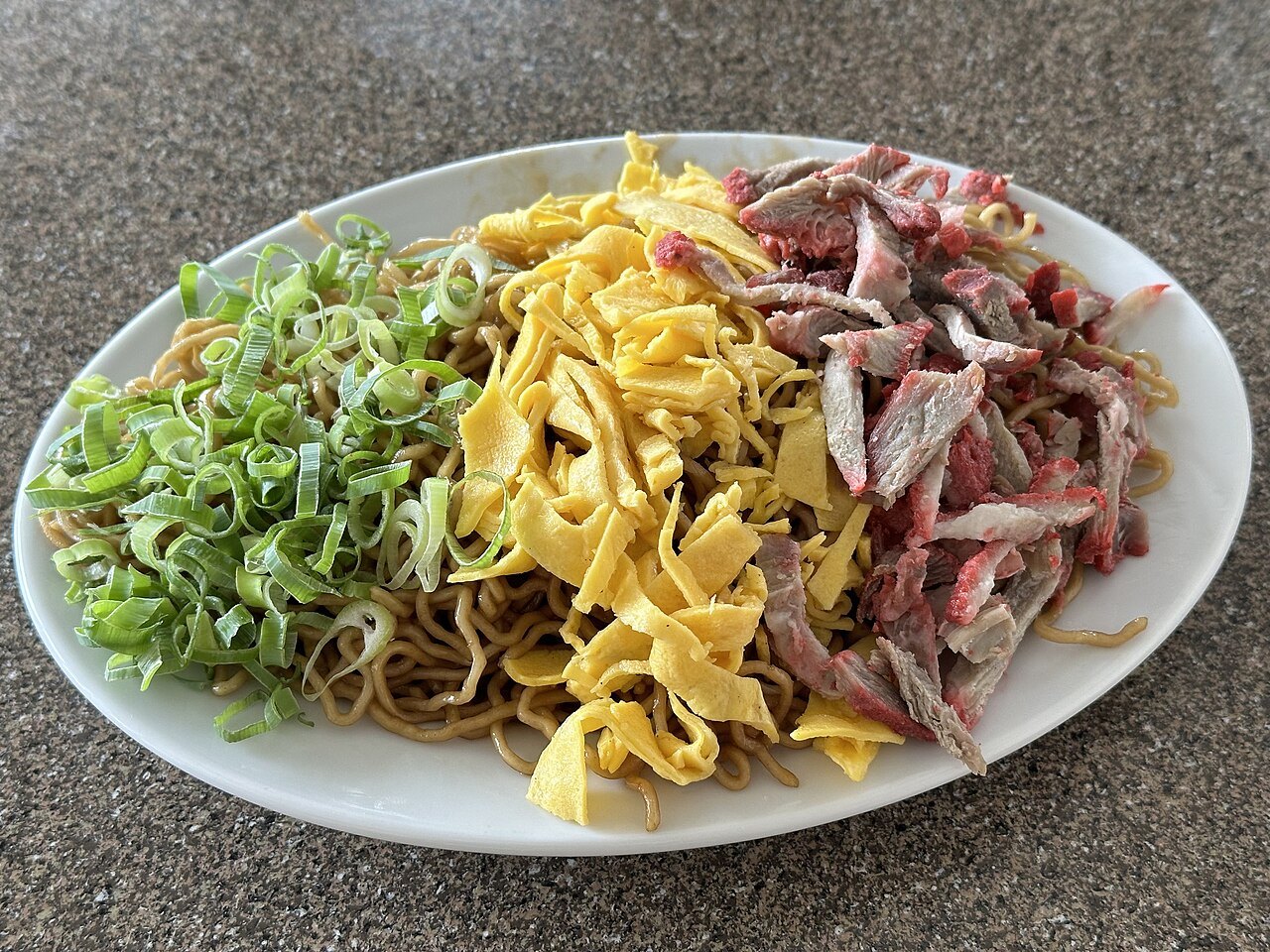
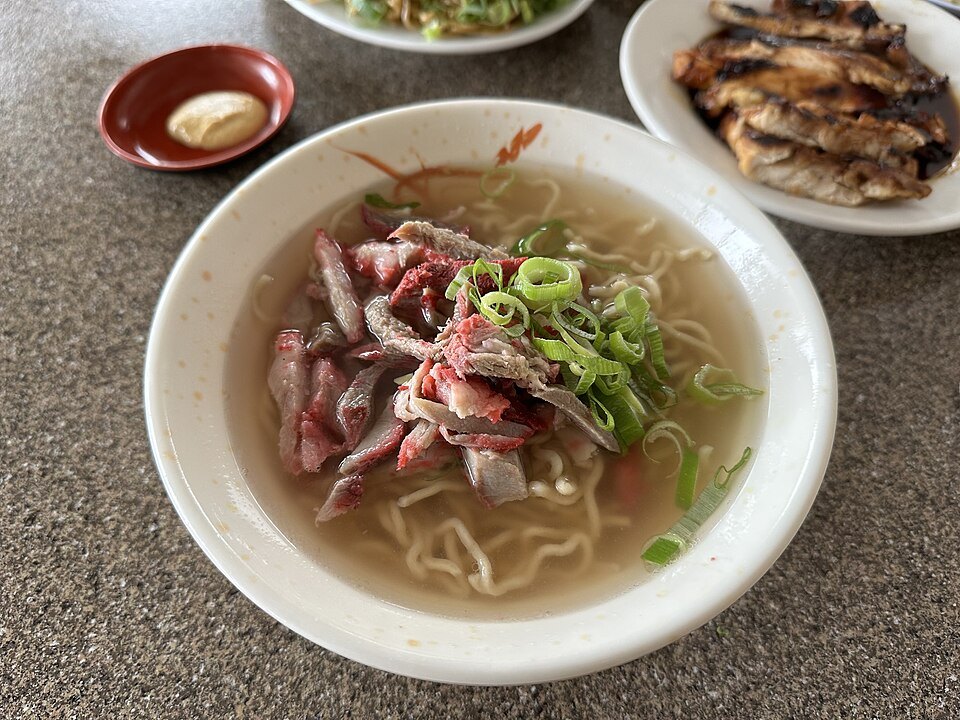
Around it are the other local classics. The loco moco piles a hamburger patty, brown gravy and a fried egg on rice. Saimin, a noodle soup developed in the plantation era, is soft wheat egg noodles in a hot dashi with green onion and a slice of kamaboko fish cake, eaten at any hour. And Spam, popular in Hawaiʻi since it arrived with American servicemen, is fried and served with rice and eggs, stirred into saimin and fried rice, or pressed onto rice and wrapped in nori as Spam musubi, a snack sold all over the islands.
Sweets
Portuguese immigrants from the Azores brought their sweet bread and malasadas, fried doughnuts rolled in sugar, traditionally made to use up lard and sugar before Lent. Bakeries around the city make them fresh; Leonard's Bakery is one of the best known, and Liliha Bakery and Kamehameha Bakery are others. Chinese immigrants brought char siu bao, called manapua here.
Shave ice is the islands' cold dessert: a block of ice shaved so fine that the flavored syrups soak all the way through instead of sinking to the bottom, as they would in a snow cone. It comes from the Japanese kakigōri, and it is at its best on a hot afternoon.
Where the city eats
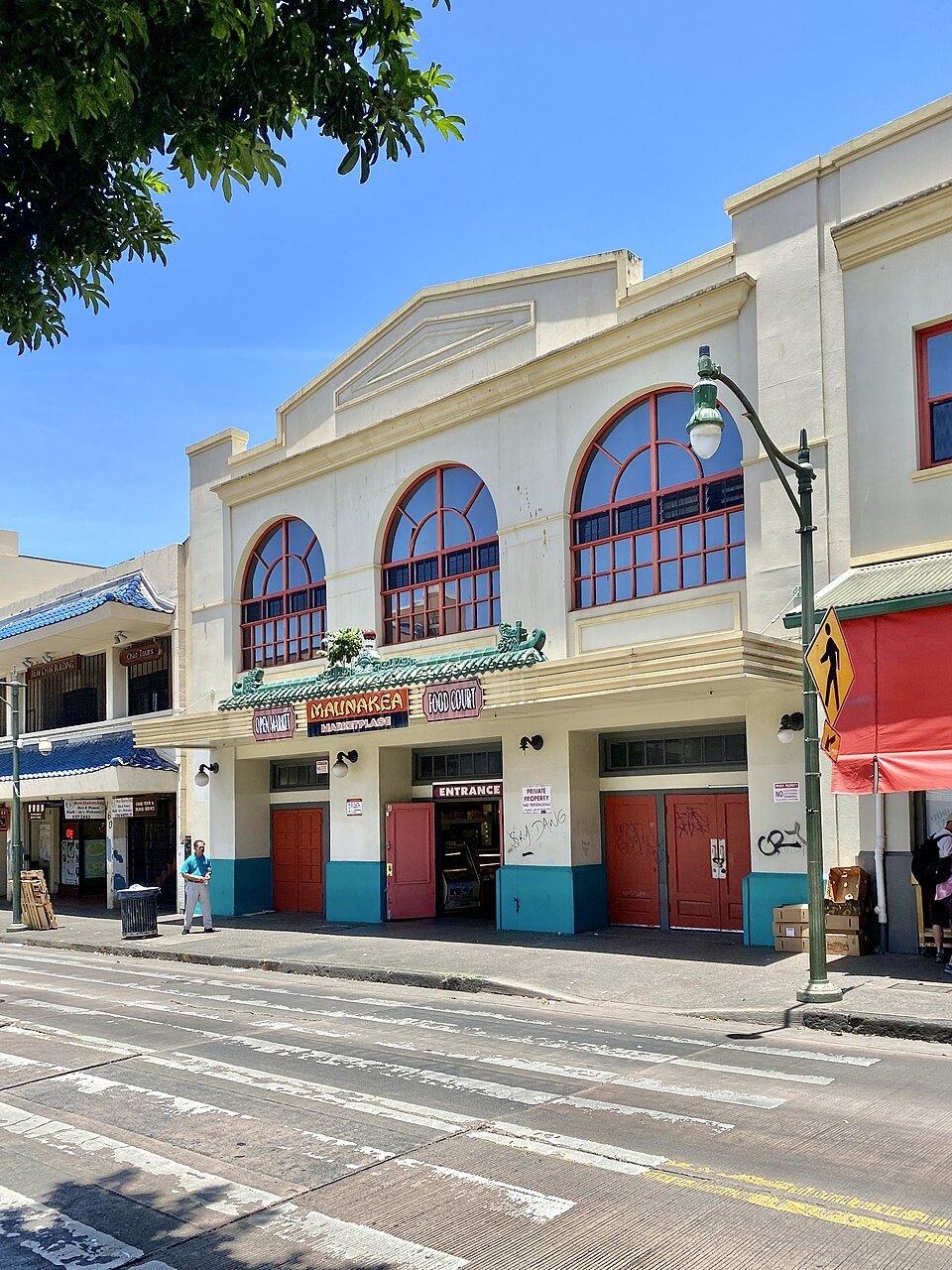
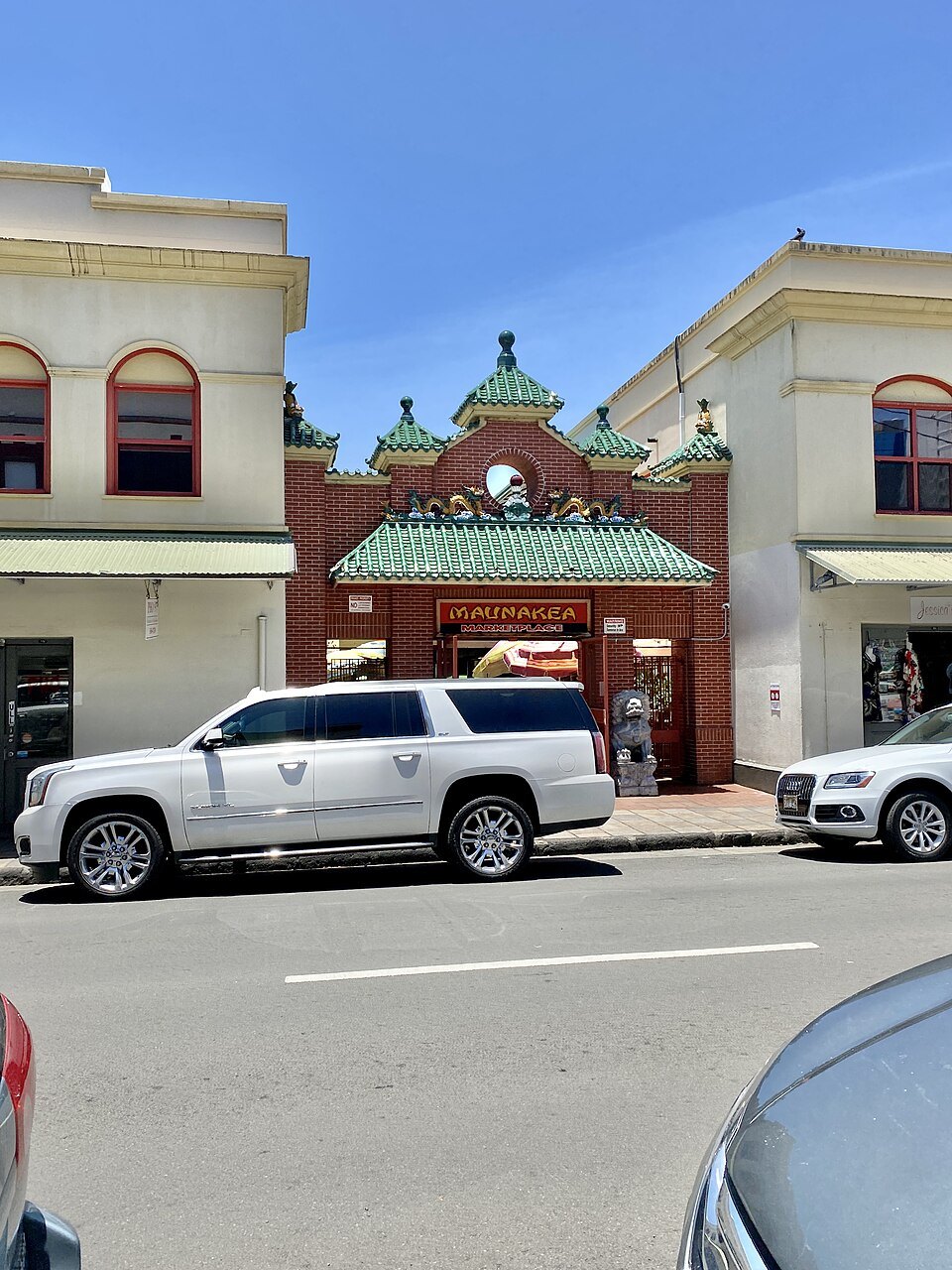
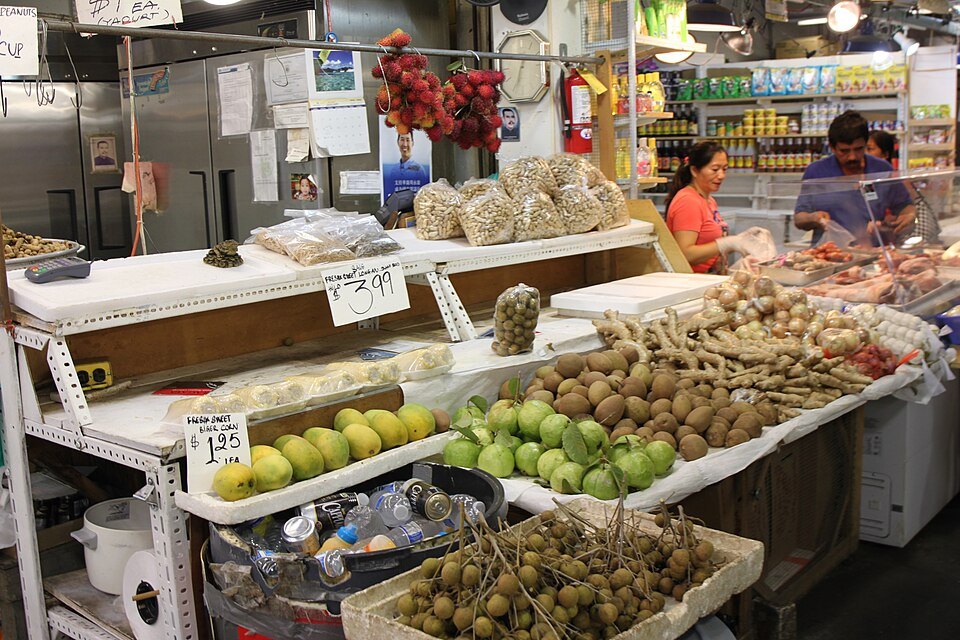
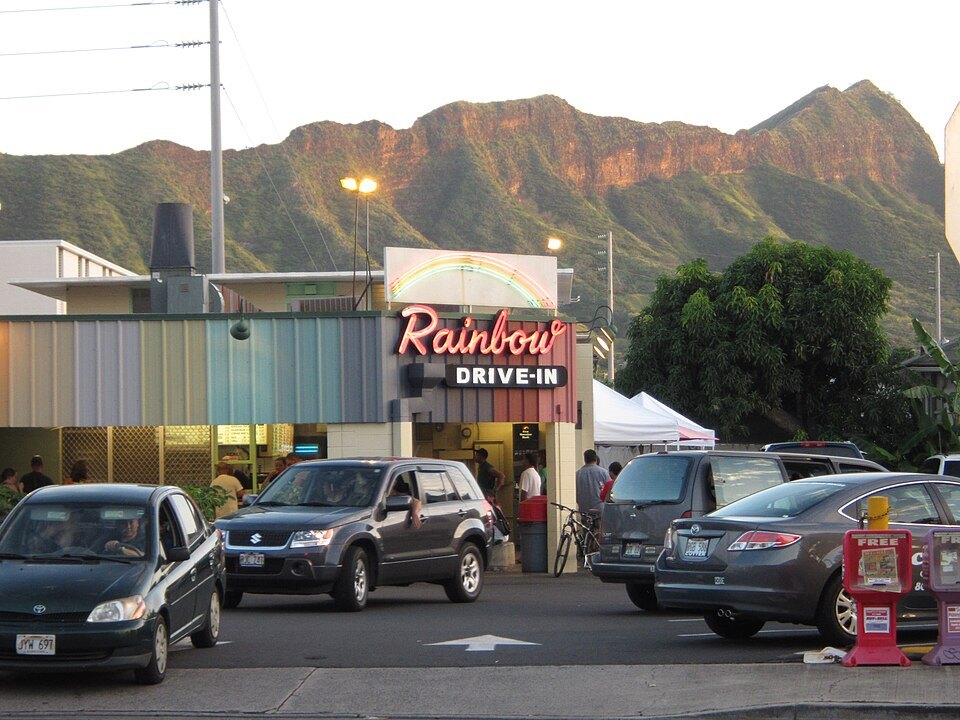
Local food is at its best in ordinary places. Diners and drive-ins serving local and ethnic food alongside American fare opened from the 1960s, among them Rainbow Drive-In and the L&L chain, and they are still where much of the city eats lunch. Chinatown has the Oʻahu Market for fish and produce, noodle shops and bakeries. Kakaʻako has newer cafés among its murals, and Waikīkī has everything from lunch counters to the grand dining rooms of its old hotels.
This site gives no prices: menus and costs change, and the restaurants' own information is the only reliable source. Food in Honolulu is generally expensive, because the islands import most of what they eat, so the plate lunch and the market counters are also the best value in the city.
Drinks
The islands have their own drinks too. After distillation came to Hawaiʻi, the root of the ti plant was made into a liquor called ʻōkolehao. Today the city's cafés and bars serve the rest. Drink water through the day, especially if you are walking or hiking.
More photographs
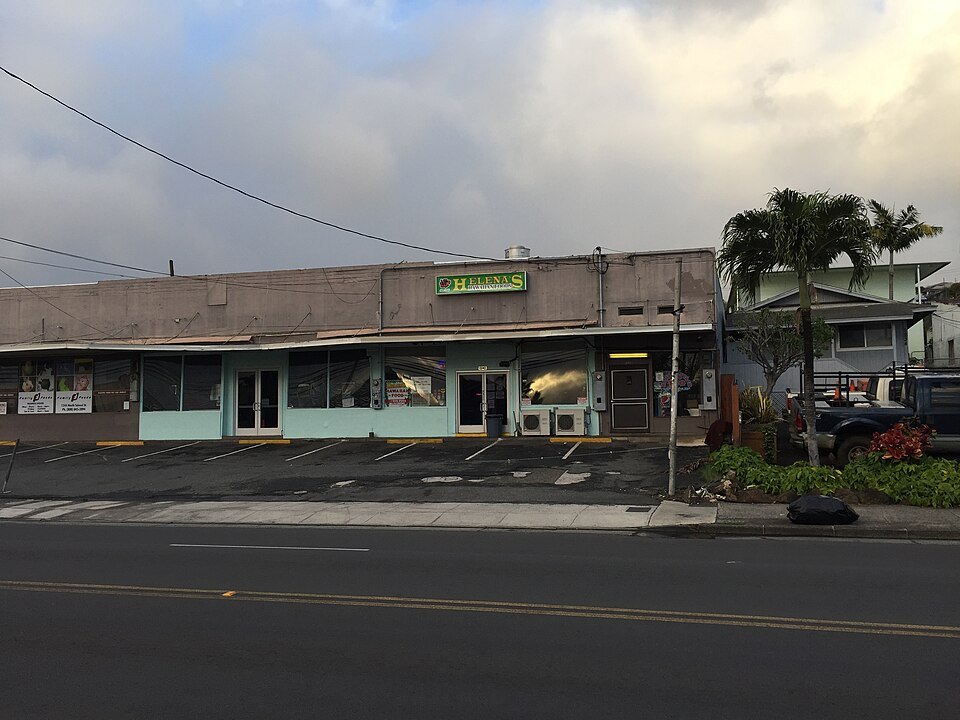
Helena's Hawaiian Food, a low storefront in KalihiLittleT889, Wikimedia Commons, CC BY-SA 4.0 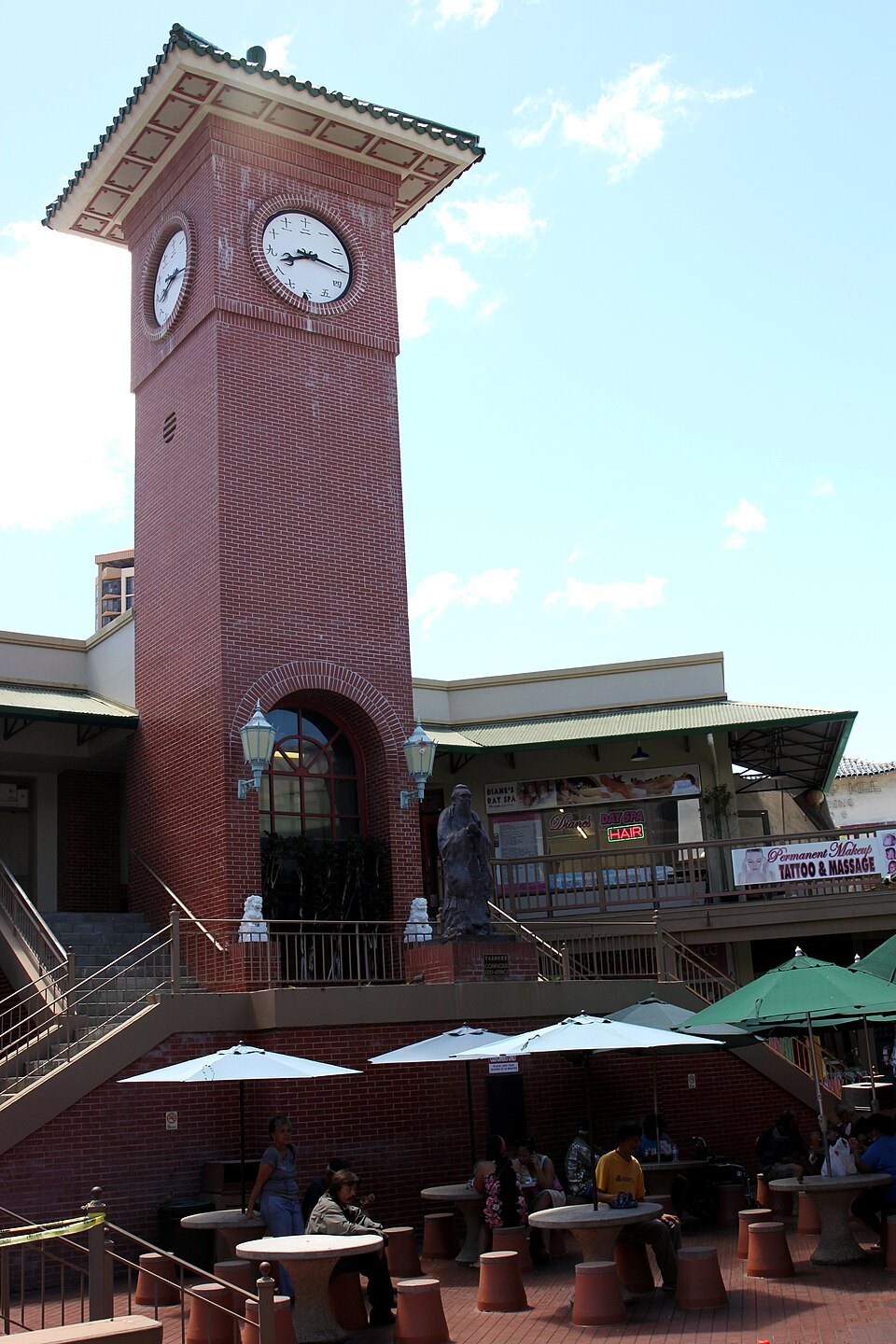
The clock tower over the Maunakea Marketplace food courtPrayitno / Thank you for (12 millions +) view from Los Angeles, USA, Wikimedia Commons, CC BY 2.0 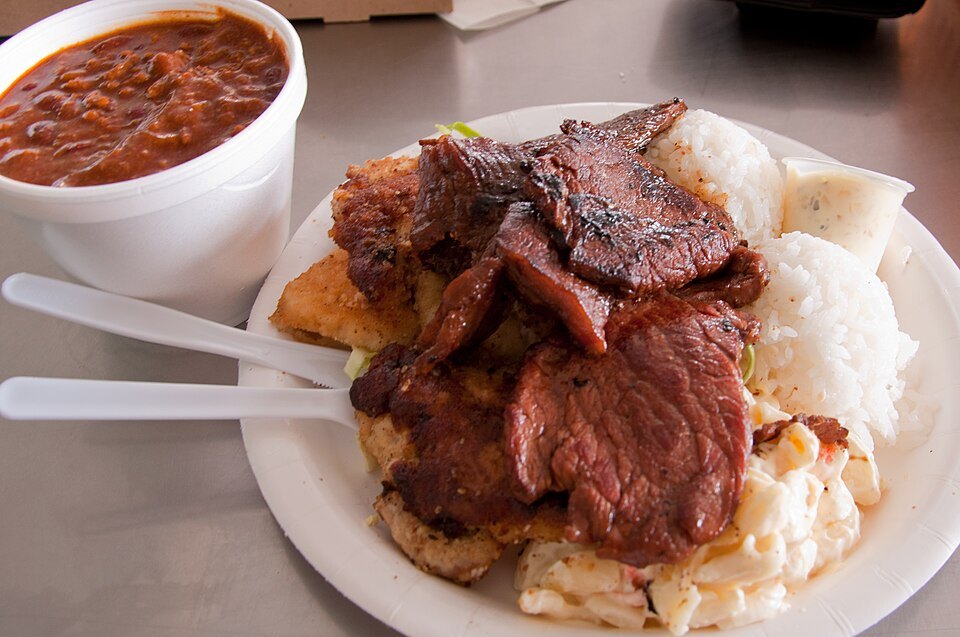
A mixed plate from Rainbow Drive-In: beef, rice, macaroni salad and chiliJohn Liu from Los Angeles, USA, Wikimedia Commons, CC BY 2.0