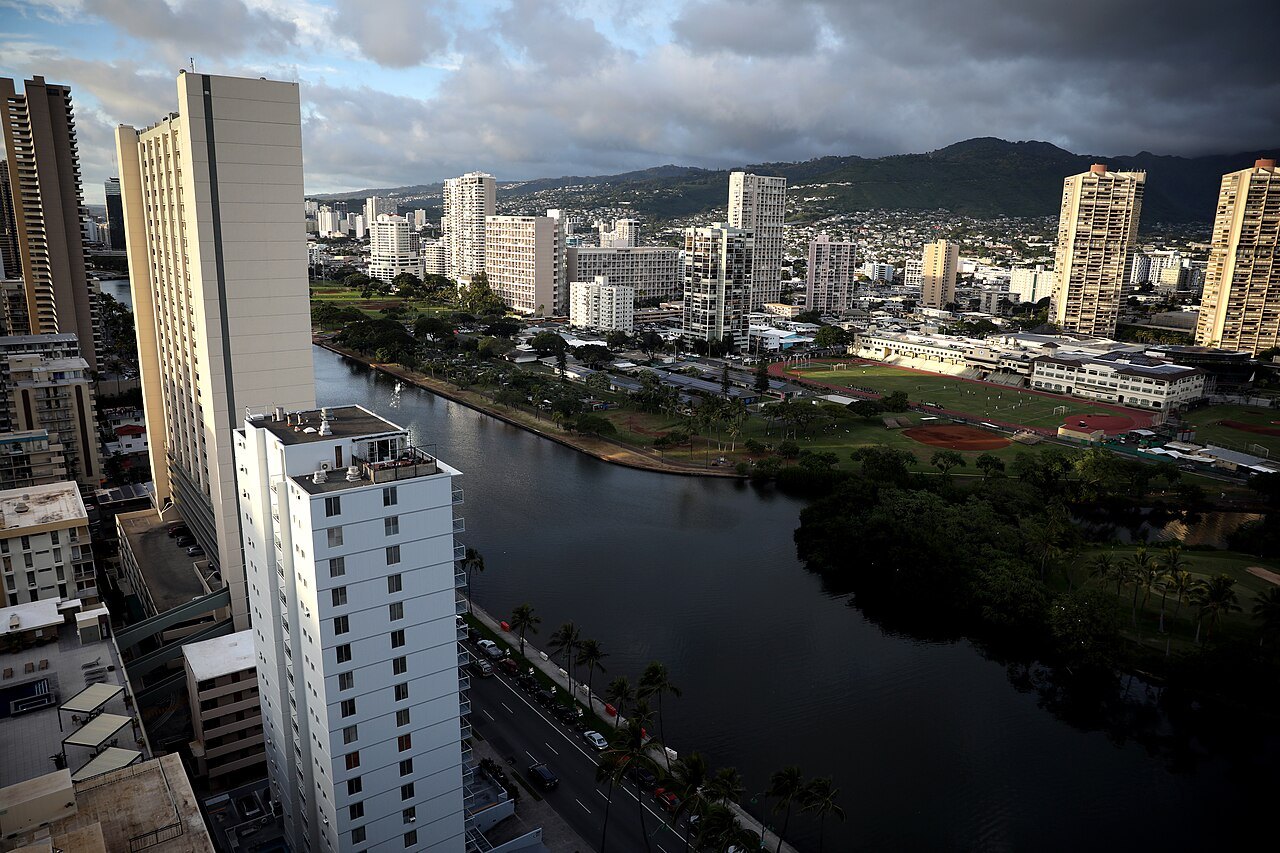
Honolulu in Three, Five or Seven Days
How these routes work
Honolulu rewards a slow pace. Its sights are spread along a long shore, the sun is strong, and the best days here mix one or two places with time in the water. These routes give each day one part of the city and keep travel between them short, using TheBus and your feet; only the last day needs a car or a tour.
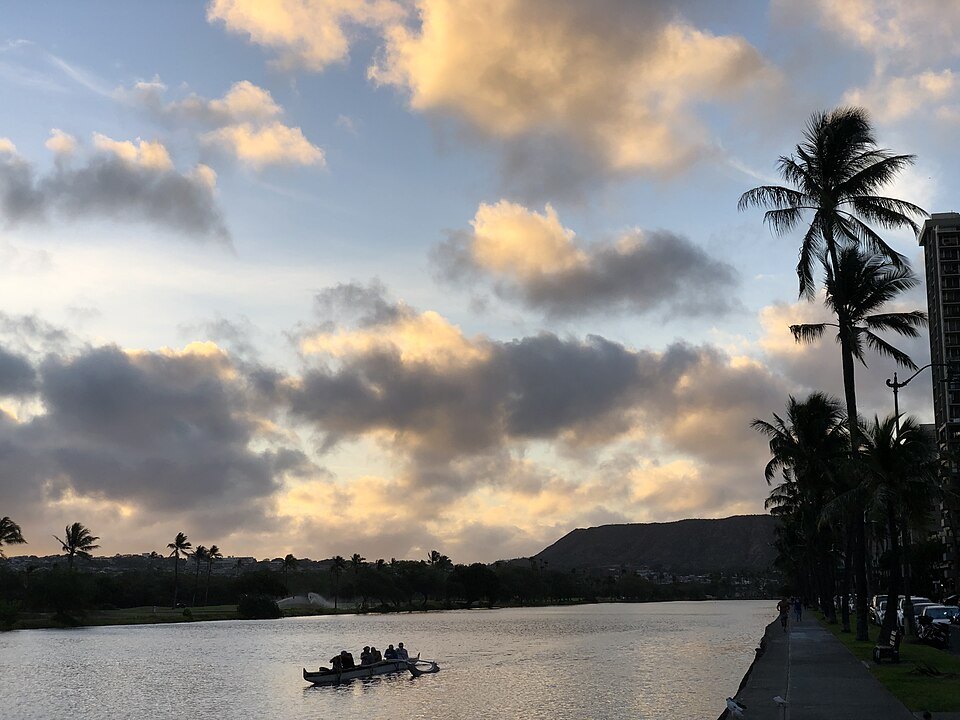
The order matters because of the reservations. Diamond Head, ʻIolani Palace and the USS Arizona Memorial all run on bookings, so the routes put them on fixed days early in the trip, when you can plan them before you fly; see booking ahead. Swap days around to fit the slots you get, and check each place's own days before you set out, since museums and some sights do not open every day.
Each day starts early. Mornings are cooler and calmer, the light is best on the water, and the reserved sights are least crowded. Keep the late afternoon for the beach, and let the evenings be slow.
One or two days
With a single day, stay close to Waikīkī. Climb Diamond Head early if you managed a reservation, or walk Kapiʻolani Park if you did not; spend the middle of the day on the beach, and take the bus downtown in the afternoon to see ʻIolani Palace from its grounds and the Kamehameha statue across the street. Come back along the shore for sunset.
With two days, give the second day wholly to the downtown half of the city: the palace tour, the Capitol District, Aloha Tower and Chinatown, following the homepage walk from Chinatown to Kawaiahaʻo and then riding back to Waikīkī. Two days show you both of Honolulu's faces, the resort and the royal capital, and leave the museums and the island for a return trip.
Three days: the essentials
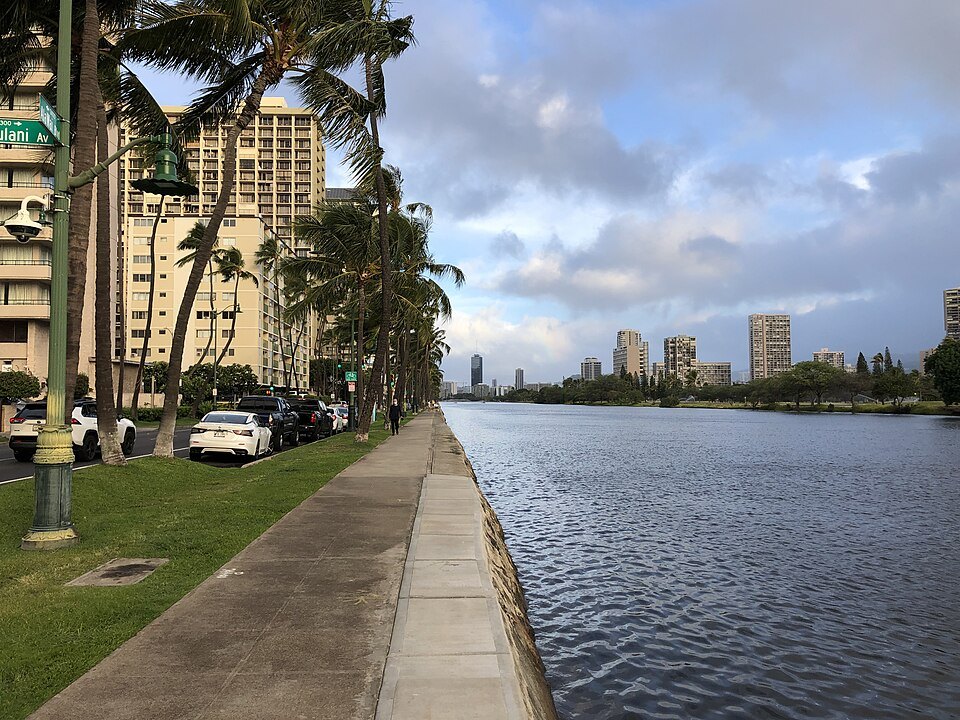
In three days you can see the three faces of the city. Day one is Waikīkī and Diamond Head: the climb to the summit on your reserved entry, then down through Kapiʻolani Park to the Diamond Head end of the beach, and an afternoon swimming, with a walk past the Moana and the Royal Hawaiian at sunset.
Day two is the kingdom: a tour of ʻIolani Palace, then the statue of Kamehameha in front of Aliʻiōlani Hale, the State Capitol and Washington Place, and Kawaiahaʻo Church. Read the kingdom page the evening before.
Day three is the harbor town: Aloha Tower, then Chinatown, its markets and noodle shops, Foster Botanical Garden at its edge, and back toward Waikīkī through the murals of Kakaʻako. That is the homepage walk, stretched over a day.
Five days: add the memorials and the museums
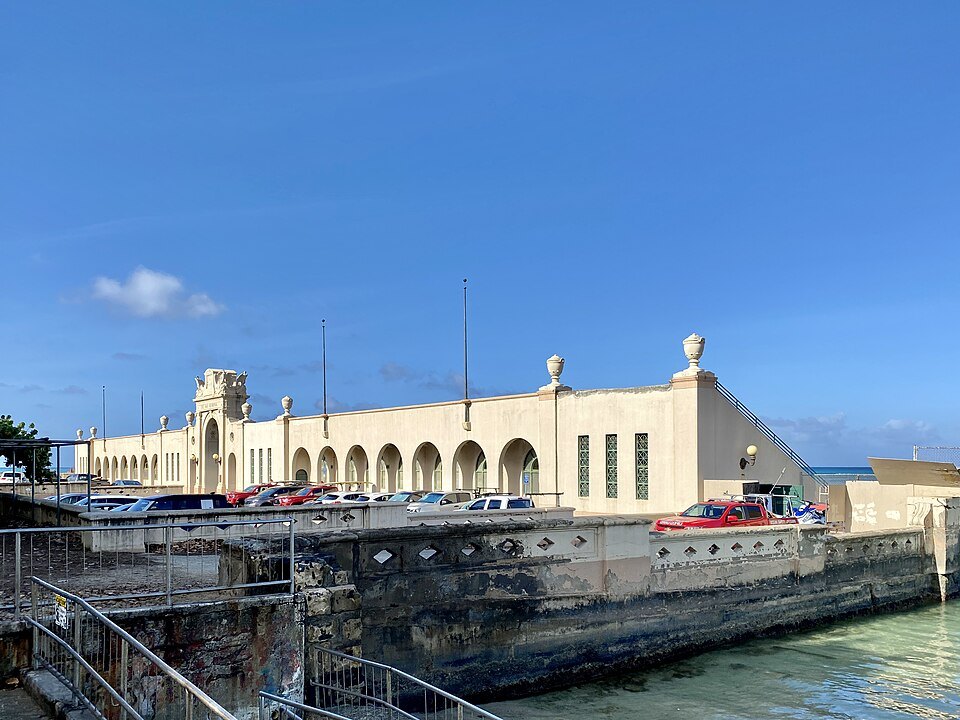
Day four is Pearl Harbor, a day trip west of the airport. Book the USS Arizona Memorial program ahead, go in the morning, and allow time for the visitor center's galleries. In the afternoon, come back to Punchbowl, the national cemetery in the crater above downtown, where many of the Pacific war dead lie. It is a quiet, serious day; plan an easy evening.
Day five is for the islands' history and art. Bishop Museum in Kalihi explains Hawaiʻi before you have seen much of it, and its Hawaiian Hall deserves the whole morning; if art is your interest, spend it instead at the Honolulu Museum of Art and its courtyards. In the afternoon, swim at Ala Moana Beach Park with the city's own families and watch the sun set from Magic Island.
Seven days: the valleys and the island
Day six goes up into the green. Walk the trail to Mānoa Falls in the morning, when it is cool and the mud is least slippery, and look into Lyon Arboretum. In the afternoon, take a taxi or drive the Tantalus loop through the forest to the Puʻu ʻUalakaʻa lookout, where the whole city, from Diamond Head to Pearl Harbor, is spread below.
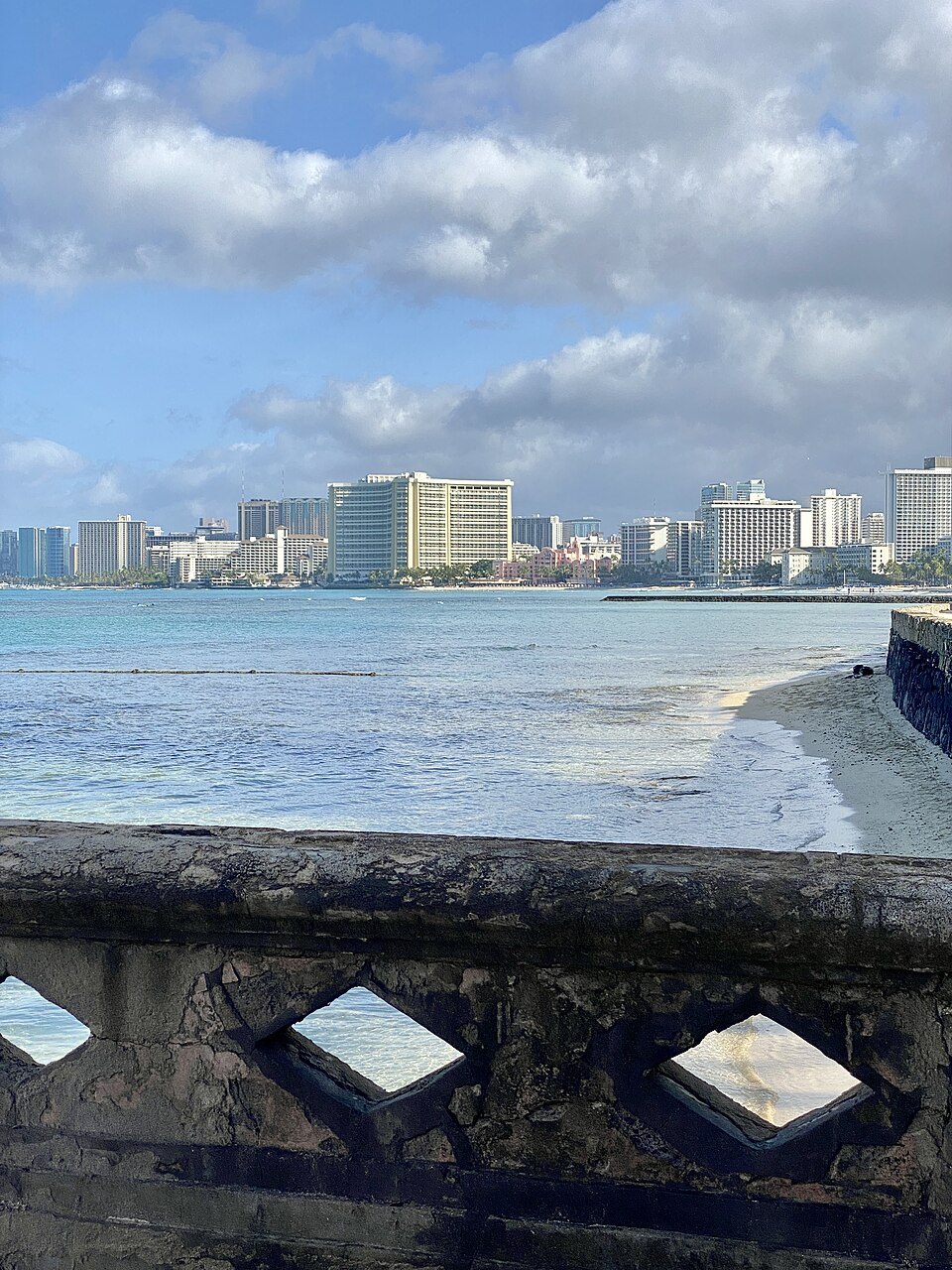
Day seven leaves the city. Rent a car and choose one: over the Pali to the windward coast and the beaches of Kailua and Lanikai; along the southeast coast to Hanauma Bay, if you reserved, and Makapuʻu Point; or across the island to Haleʻiwa and the North Shore. Do not try to fit two into one day.
If the weather turns
Honolulu rarely rains all day, but winter can bring storms. On a wet day, swap in a museum day: Bishop Museum, the Honolulu Museum of Art, the palace, or the covered markets of Chinatown. Leave the Tantalus lookout and Mānoa Falls for dry weather; the trail floods after heavy rain, and the view disappears in cloud. Big surf closes beaches, so keep a beach afternoon flexible and check the lifeguards' signs on the ocean page. For the seasons, see when to come.
Evenings
Honolulu's evenings are quiet by big-city standards, and the best of them are outdoors. Watch the sunset from the beach or from Magic Island; between mid-September and late March the sun goes down into the sea in view of Waikīkī. The Hawaiʻi Theatre in Chinatown and the Waikīkī Shell in Kapiʻolani Park hold concerts and performances, and the Doris Duke Theatre at the Honolulu Museum of Art shows films; check their calendars when you plan. Chinatown's Arts District is liveliest in the evening, and Waikīkī's avenues stay busy late.
Moving between the days
Every route here uses TheBus for the long stretches, with a HOLO card to make transfers free and cap what you spend in a day; see getting around. Taxis and app rides are worth it for Punchbowl, Tantalus and late returns. Only the island day needs a rental car, and you can pick one up for that day alone.
Families
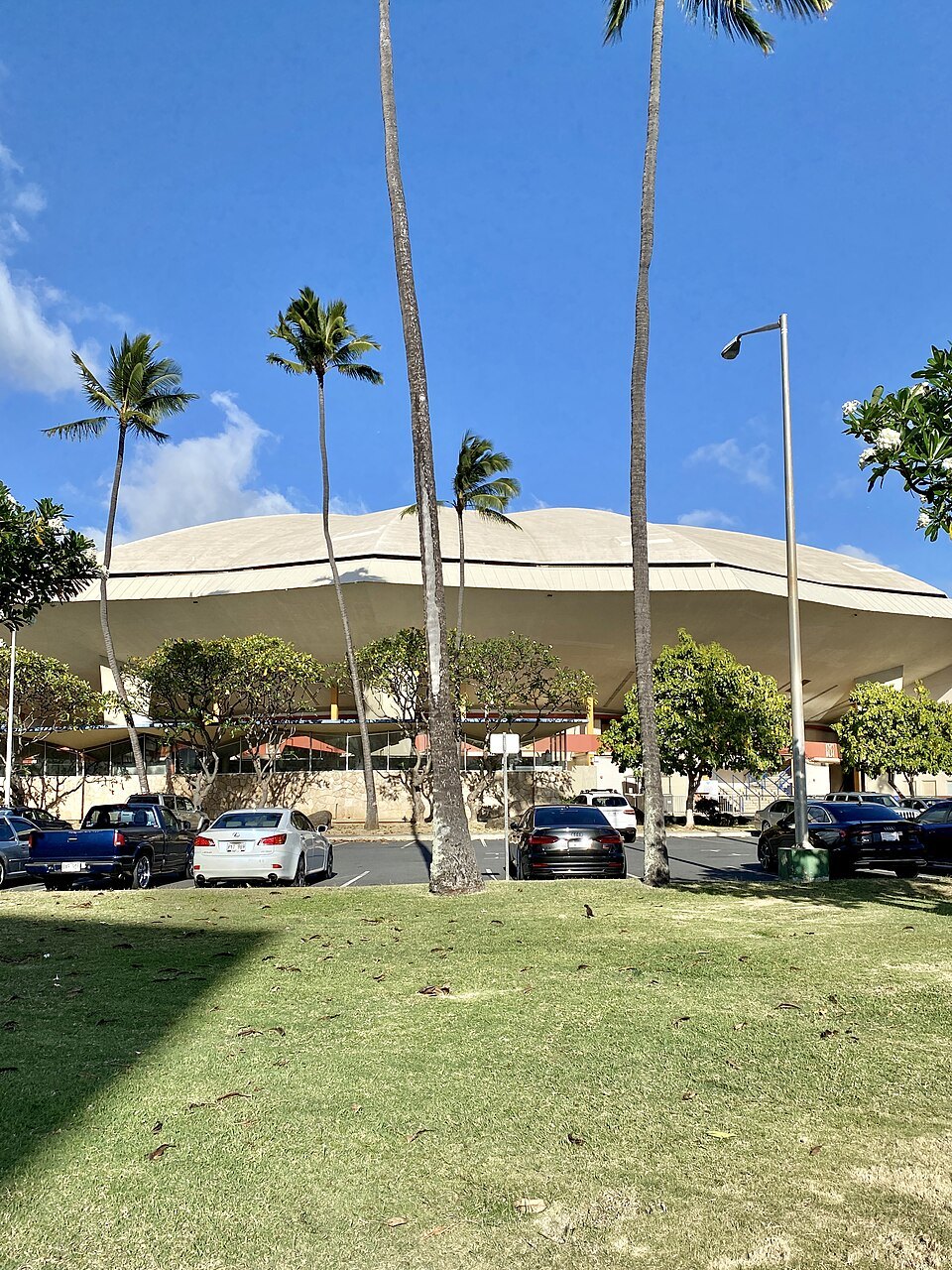
With children, keep the mornings active and the afternoons in the water. The sheltered water behind the Kūhiō Beach wall and the lagoon at Magic Island suit small swimmers, the science center and planetarium at Bishop Museum suit curious ones, and the Honolulu Zoo is in Kapiʻolani Park. Skip the Diamond Head climb with very young children in the heat, and keep Pearl Harbor and Punchbowl for children old enough to understand them.