Home · Sights · Foster Botanical Garden
Foster Botanical Garden
- iThe Upper TerraceThe oldest part of the garden, shaded by the huge trees William Hillebrand planted in the 1850s.
- iiThe exceptional treesTwenty-five of the roughly one hundred trees on Oʻahu officially listed as exceptional grow here.
- iiiThe sacred figA tree descended from the Bodhi tree, a sapling given to Mary Foster in 1913.
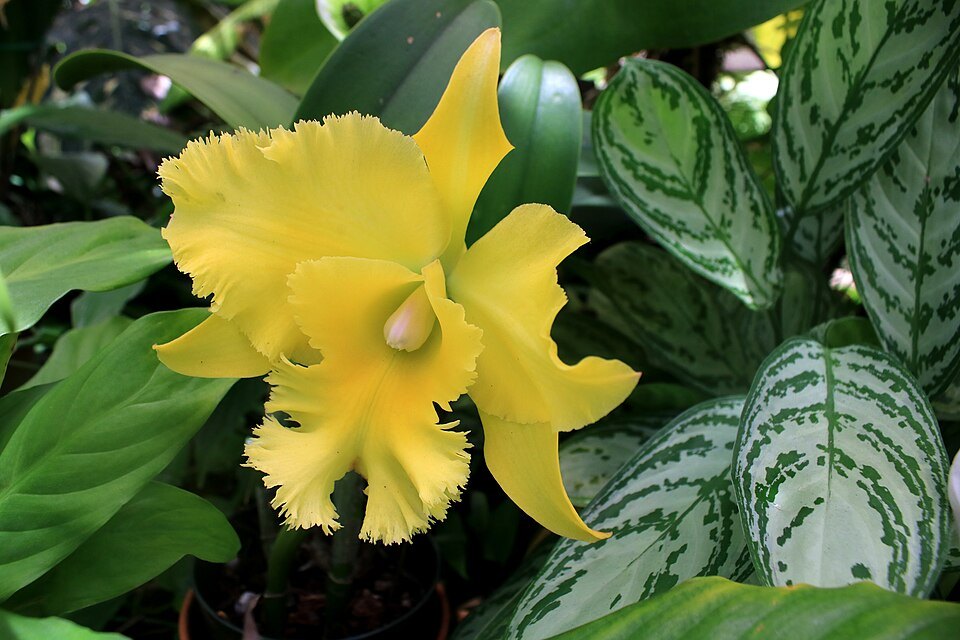
- ivThe orchid gardensThe Lyon Orchid Garden and a display of hybrid orchids, begun by the garden's first director.
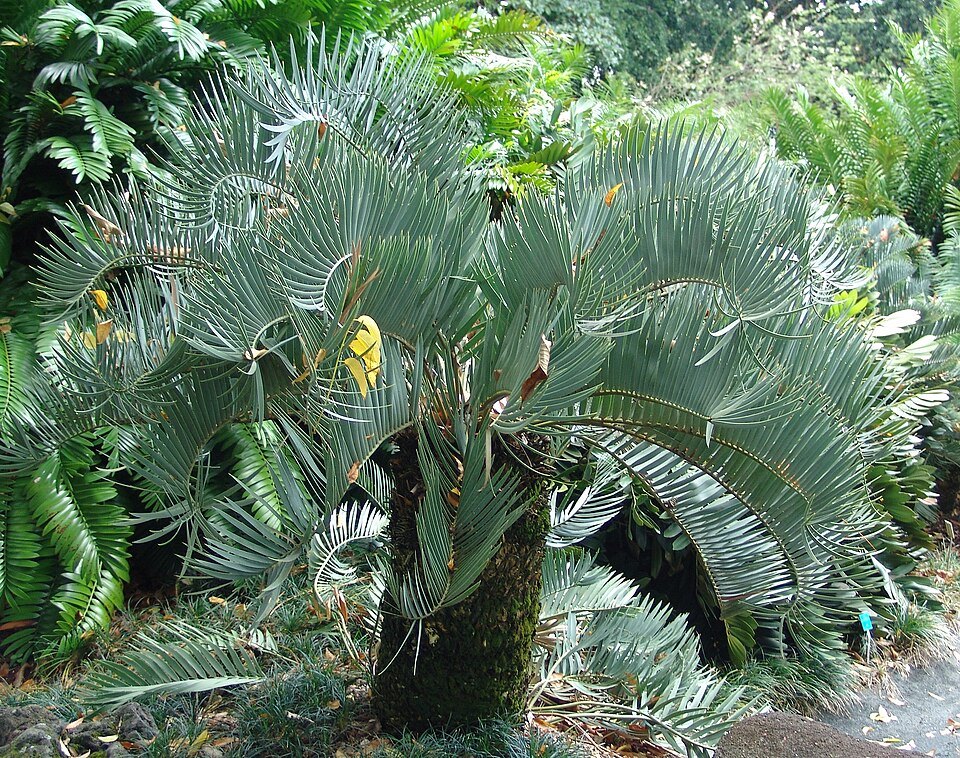
- vThe Prehistoric GlenA planting of primitive plants laid out in 1965, cycads and ferns among them.
- viThe Economic GardenBeds of herbs, spices, dye plants and poisons, grouped by what people have used them for.
Reading the place
Why it matters
Foster Botanical Garden is the oldest botanical garden in Hawaiʻi and is listed on the National Register of Historic Places. It covers about thirteen and a half acres at Nuʻuanu Avenue and Vineyard Boulevard, just above Chinatown, in the middle of a busy urban district of strip malls, schools and Buddhist, Shinto and Methodist temples and churches. Step through the gate and the city drops away under trees that were planted before the kingdom ended.
It is the downtown member of the Honolulu Botanical Gardens, a system of five gardens on Oʻahu that together hold one of the largest and most varied collections of tropical plants in the United States, from desert species to rainforest. Of the five, Foster is the one a visitor to the city can reach on foot.
A doctor's garden
In 1853 Queen Kalama leased a piece of land here to William Hillebrand, a German physician and botanist. He built his home, planted trees, and introduced many plants to the islands, along with deer and mynah birds; many of the great trees on the Upper Terrace are his. After about twenty years he returned to Germany, where he published a flora of the Hawaiian Islands in 1888.
In 1884 the property was bought by Thomas R. Foster and his wife, Mary E. Foster, who kept developing the garden around their home. When Mary Foster died in 1930, she left the land and her home to the City and County of Honolulu, on condition that it be kept forever as a public park. Under its first director, Harold Lyon, the garden brought in thousands of new plants and began its orchid collection; a later director, Paul Weissich, who ran it from 1957 to 1989, expanded it and built up the island-wide system of gardens it belongs to.
Five gardens, one system
Paul Weissich's expansion turned Foster into the center of a network. The Honolulu Botanical Gardens now join five sites on Oʻahu covering about 650 acres, and they range across tropical environments from dry desert plantings to wet rainforest. Foster is the smallest and the oldest, and the only one in the middle of the city; the others lie out on the island, and are for visitors with a car and a free day.
What you see
The garden is laid out in terraces and themed areas. The Upper Terrace, the oldest part, is a lawn under enormous old trees, with the buttressed trunks and hanging roots that make visitors stop and look up. The Middle Terraces hold palms, aroids, heliconias and gingers; the Economic Garden groups herbs, spices, dye plants and poisons by their use; the Prehistoric Glen, planted in 1965, gathers primitive plants such as cycads. The Lyon Orchid Garden and a hybrid orchid display are in flower through much of the year.
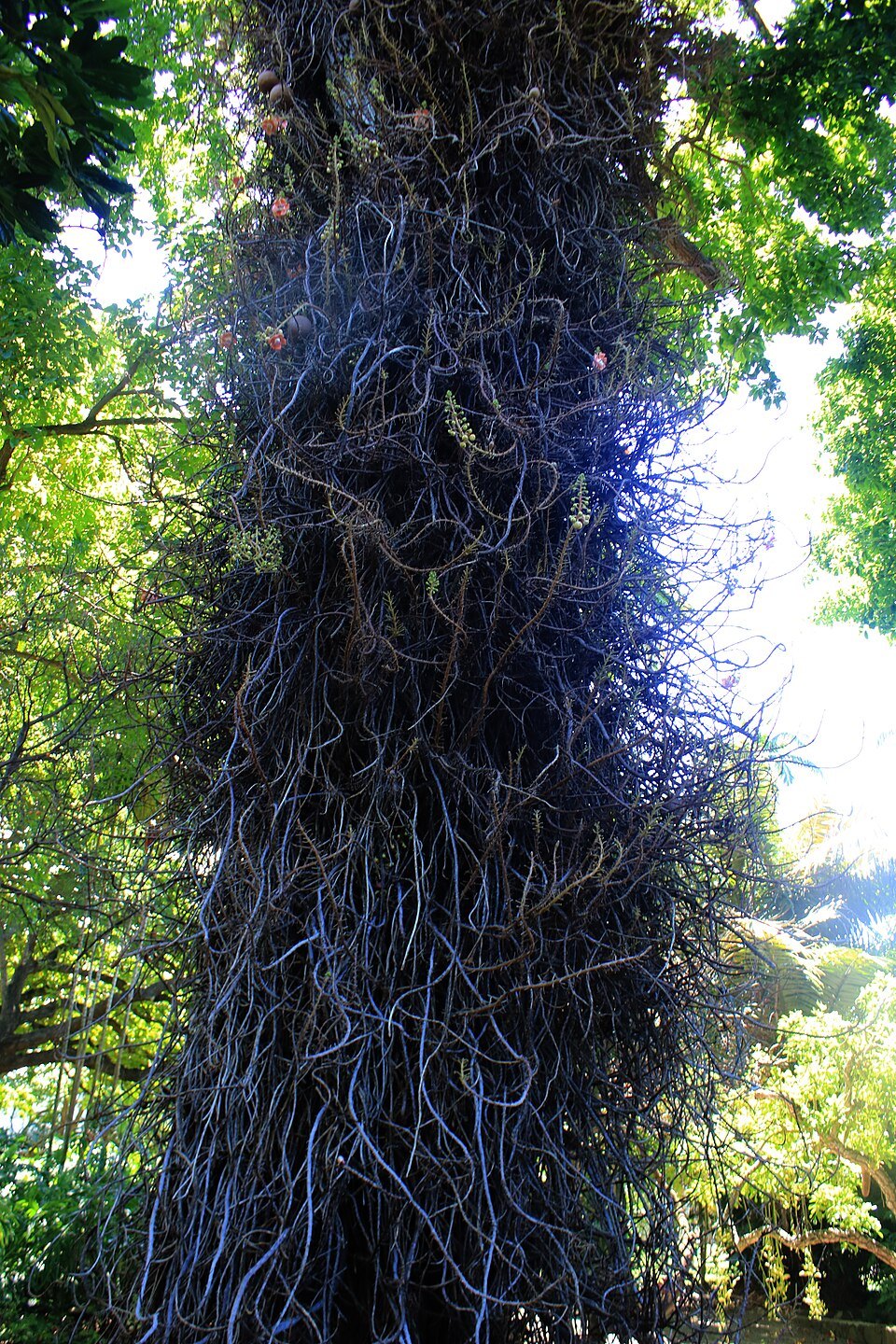
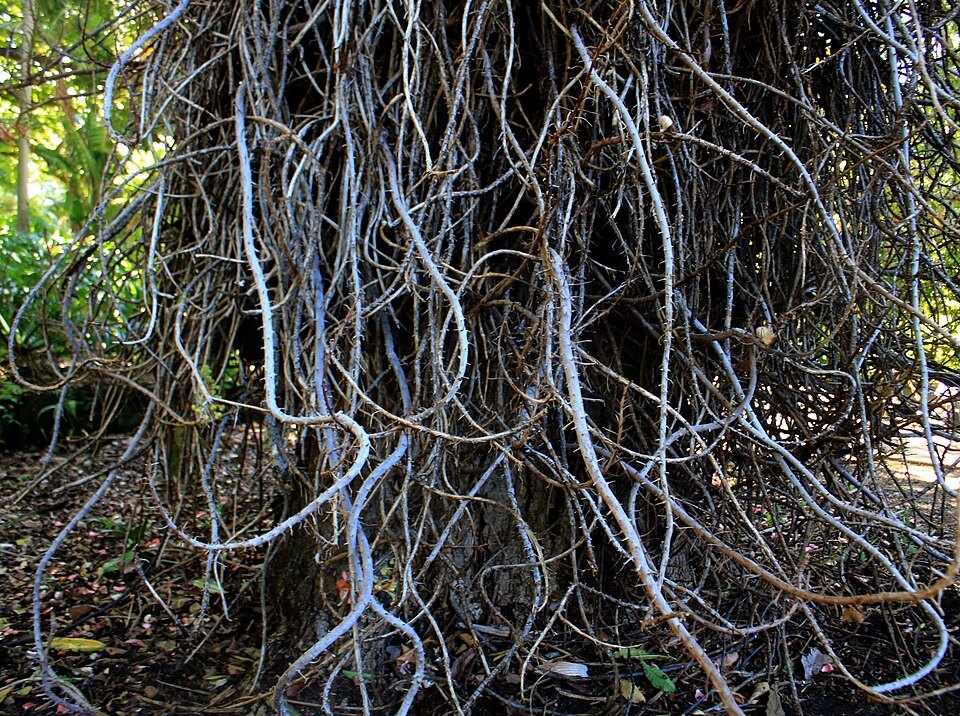
Twenty-five of the roughly one hundred trees on Oʻahu that are officially designated as exceptional grow here. Look for the cannonball tree, with its heavy round fruits and flowers growing straight from the trunk, and the huge baobabs and figs of the Upper Terrace. The sacred fig in the garden is a descendant of the Bodhi tree under which the Buddha is said to have found enlightenment; a sapling was given to Mary Foster in 1913 by the Buddhist teacher Anagarika Dharmapala.
Plants to look for
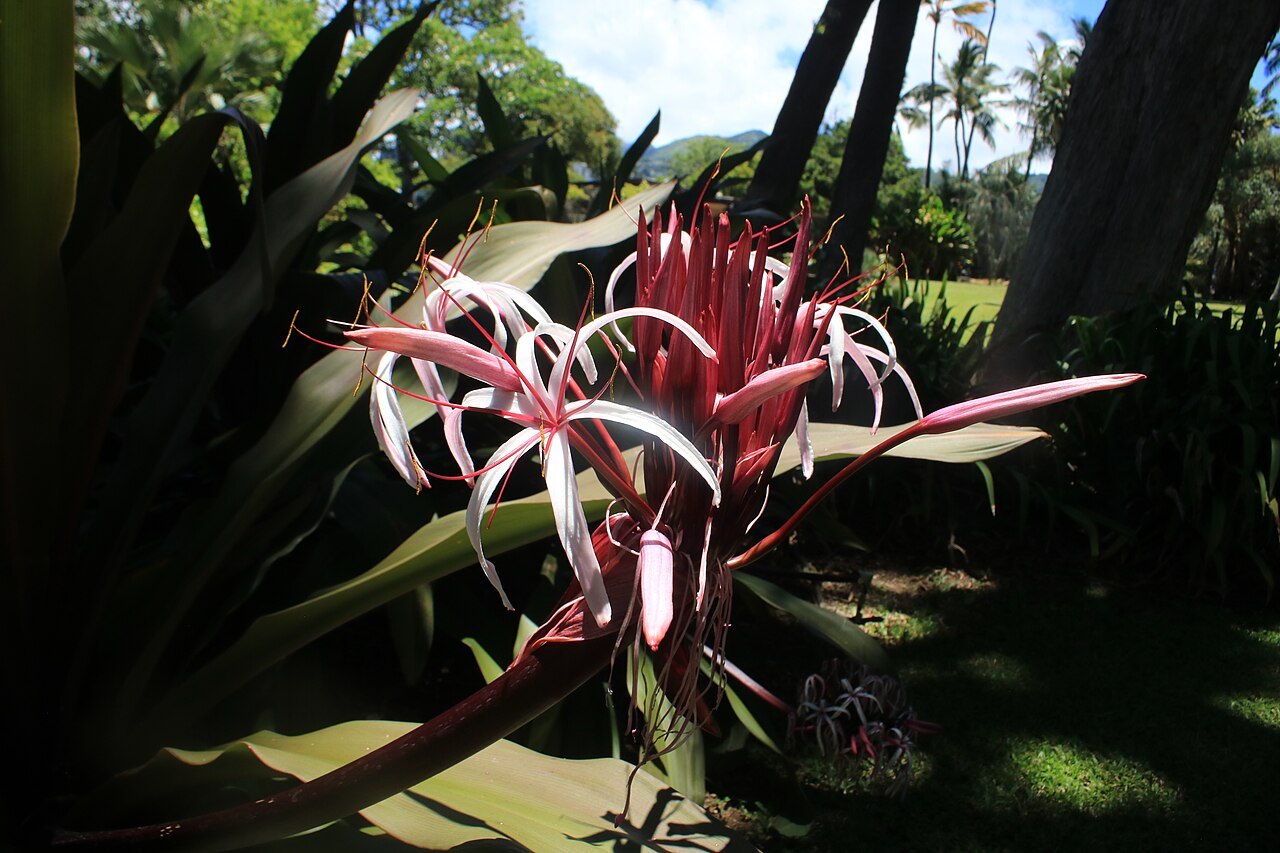
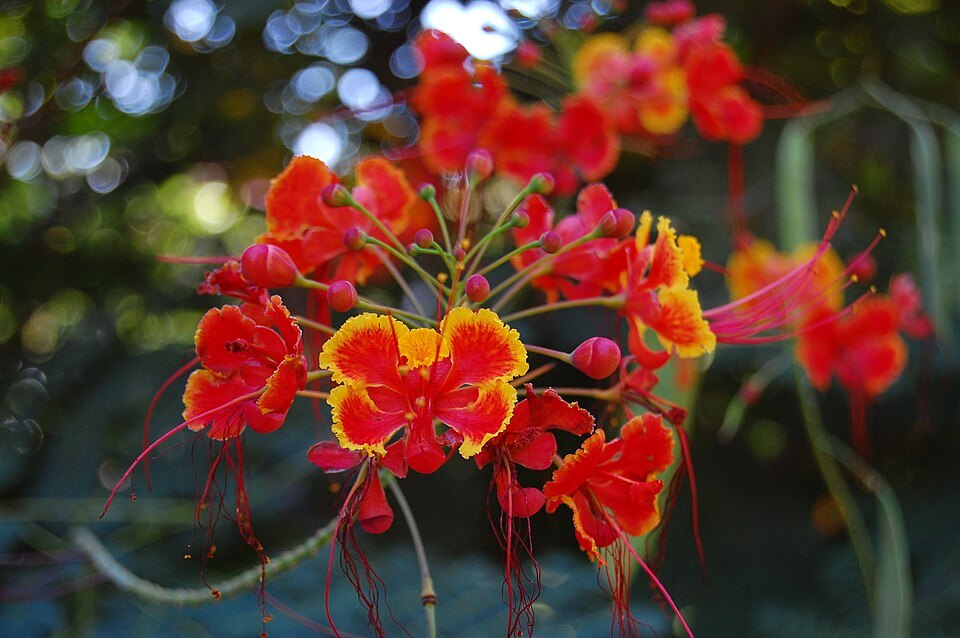
The photographs on this page were taken in the garden, and they show what to look for. The ʻohai aliʻi, a shrub with clusters of red and orange flowers, blooms near the paths. Crinum lilies push up long, narrow white petals streaked with deep red. The baobab trunks are huge, wrinkled and gray, with roots spreading over the ground like poured stone, and the cannonball tree hangs its heavy brown fruits on cords straight from the trunk.
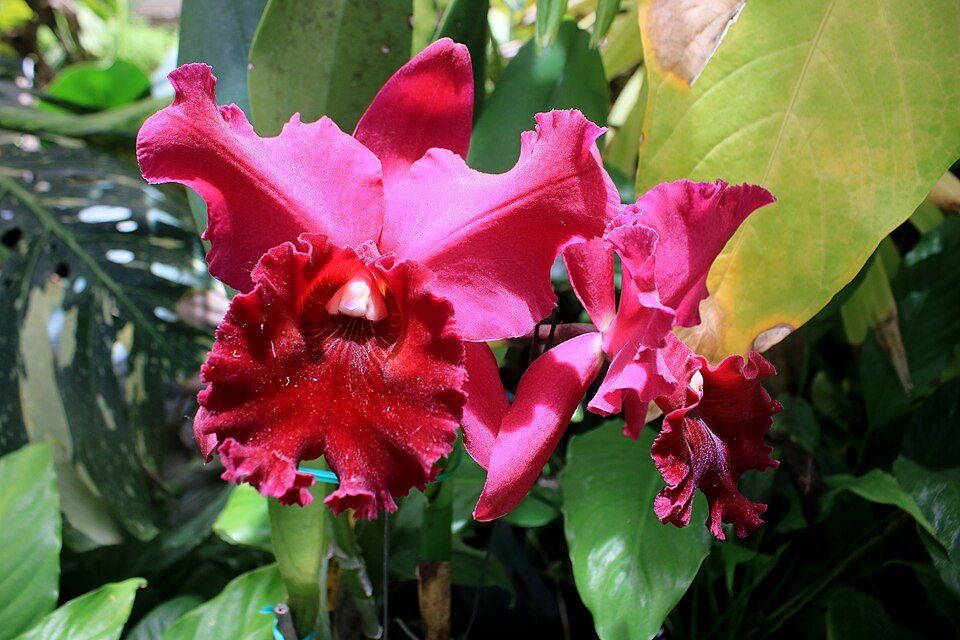
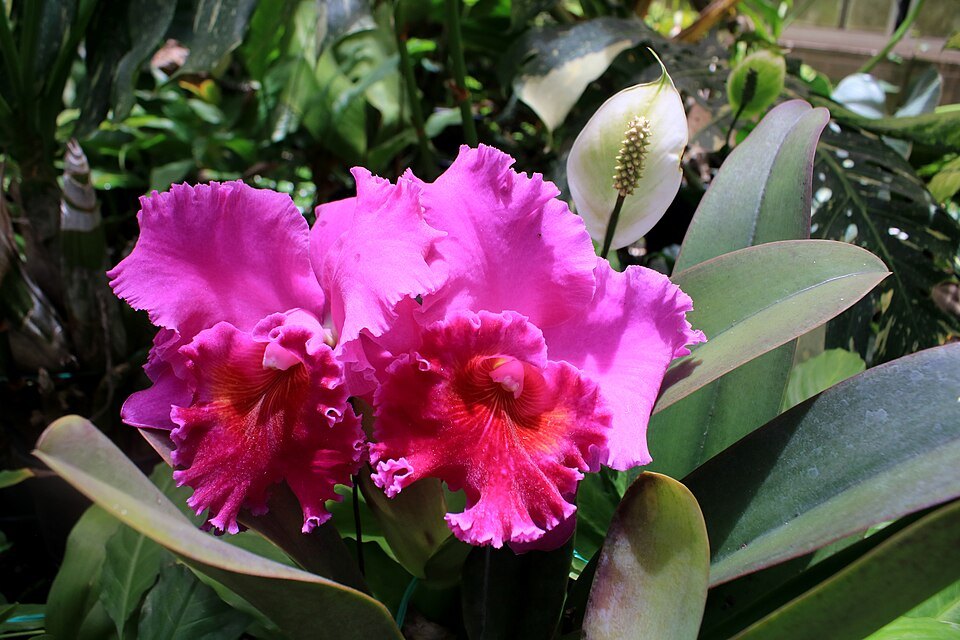
In the Prehistoric Glen, stiff blue-gray cycads such as Encephalartos look much as their ancestors did before flowering plants existed. In the orchid displays, cattleyas open in yellow and magenta against broad patterned leaves. None of this needs a botanist's knowledge; the labels on the plants name them, and the terraces are small enough to cover slowly.
Memorials and sculpture
Among the trees are several memorials. A small replica of the great Buddha of Kamakura marks a hundred years of Japanese immigration to Hawaiʻi. A memorial stone stands on the site of the first Japanese-language school on Oʻahu, where an anti-aircraft shell exploded in an auditorium full of children during the attack of 7 December 1941. There are also two modern sculptures: Sandwich Isle, an abstract ceramic piece by Bob Flint from 1977, and Tree by Charles W. Watson, from 1974.
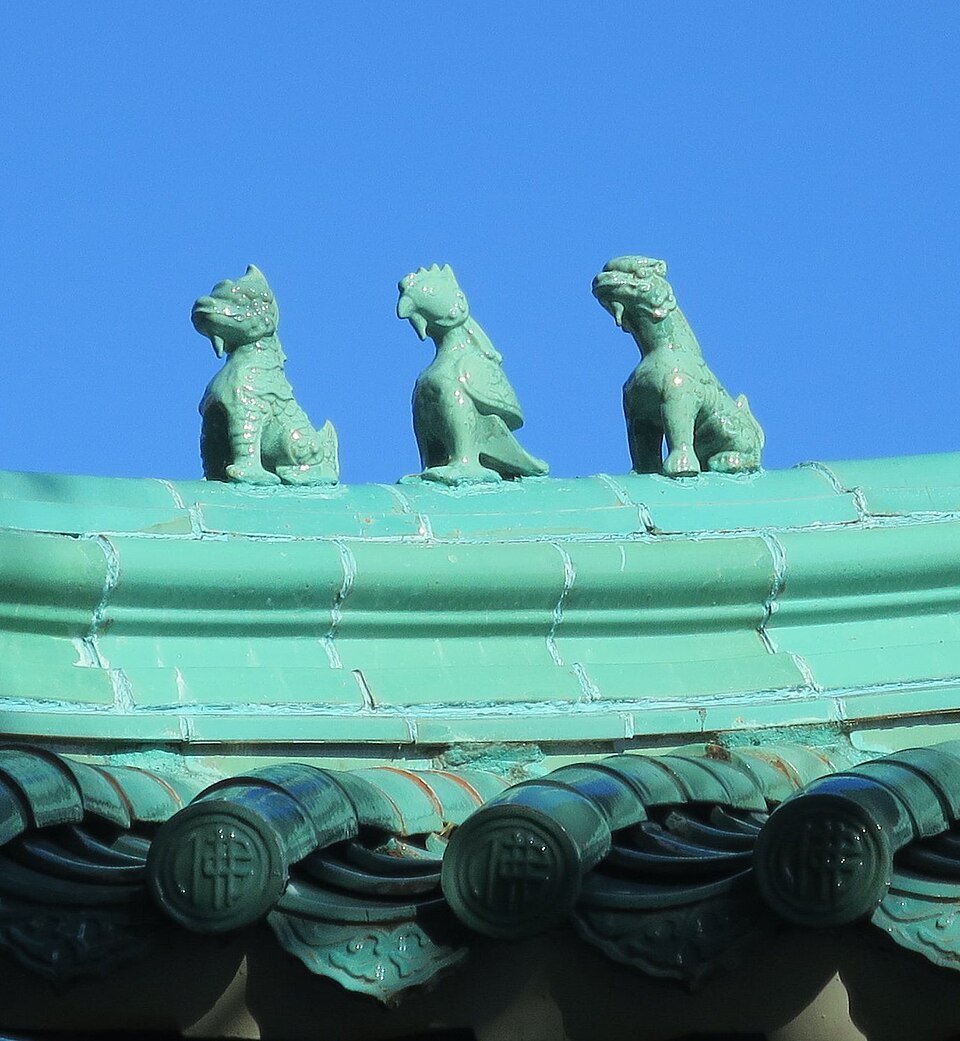
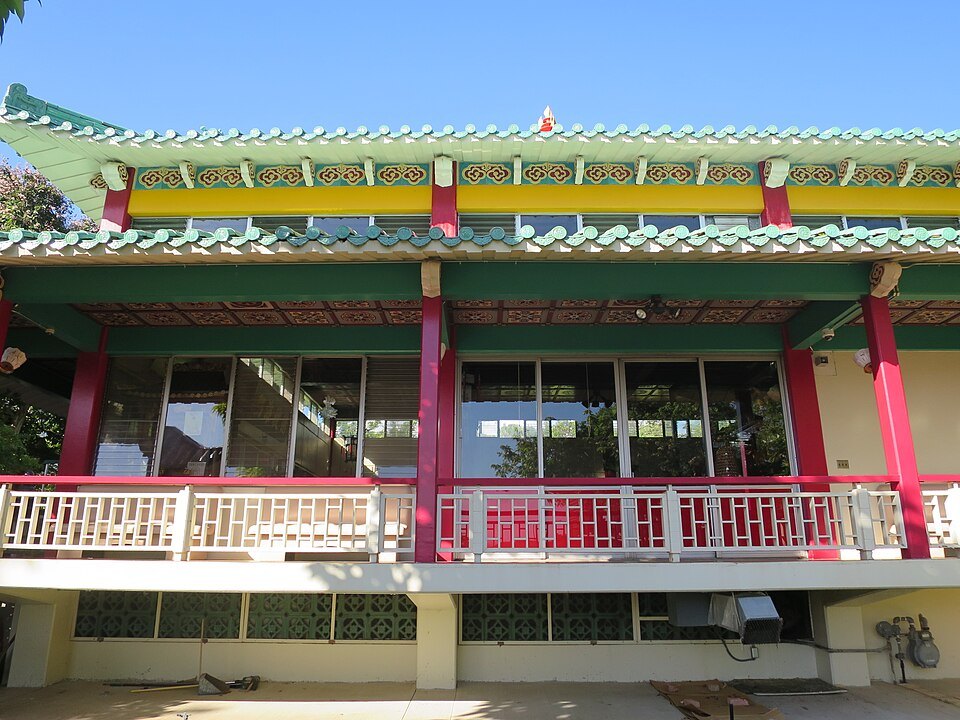
Beside the garden stands the Kuan Yin Temple, a Chinese Buddhist temple with a green-tiled roof, painted columns and ceramic figures along the ridge. It is a place of worship: visitors may look in quietly, but should not photograph people praying.
How to visit
The garden's entrance is on Vineyard Boulevard, and it keeps its own days and hours; check the Honolulu Botanical Gardens pages before you go, including whether visitors pay to enter. The paths are mostly level and shaded, and it rewards an unhurried walk through every terrace rather than a quick loop.
Bring water and insect repellent, as you would for any shaded tropical garden. The garden pairs naturally with Chinatown, a few minutes downhill; together they make a good half day, ending at the markets or at Aloha Tower on the harbor. Lyon Arboretum in Mānoa, named after Harold Lyon, is the rainforest garden up the valley.
Honest notes
The garden is a collection of plants gathered from the whole tropical world, many of them introduced by the same people who introduced mynah birds and deer; most of the plants here are not Hawaiian. For native and endangered Hawaiian plants, Lyon Arboretum in Mānoa has native ecosystem and Hawaiian sections among its fifteen thousand accessions.
Nearby
- NearbyChinatownOne of the oldest Chinatowns in the United States, burned in 1886 and again in January 1900, and rebuilt in the low masonry blocks that line Hotel, King and Maunakea streets today.Read the page
- NearbyThe Honolulu Museum of ArtThe largest art museum in Hawaiʻi, opened in 1927 on Beretania Street in a low white building of courtyards and tiled roofs, with more than 55,000 works and one of the great collections of Asian art in the United States.Read the page
- NearbyAloha Tower and the HarborA ten-story lighthouse and clock tower at Pier 9, dedicated in 1926 and for four decades the tallest structure in Hawaiʻi, standing over the harbor the city is named for.Read the page