Read on
A king's day, declared in 1871
King Kamehameha Day falls on 11 June, a state holiday first proclaimed by King Kamehameha V in 1871 to honor his predecessor, Kamehameha I, who united the Hawaiian Islands under one rule in the early nineteenth century. More than a century and a half later it remains a public holiday in Hawaiʻi, and Honolulu is where it is marked most visibly, with ceremony rather than simply a day free of work.
The holiday sits inside the longer story told on The Kingdom: a monarchy that built ʻIolani Palace and the courts of downtown Honolulu long before statehood, and whose symbols, including this day and the statue it honors, survived the overthrow of Queen Liliʻuokalani in 1893 by landed United States forces. For a visitor, the day offers a rare chance to see that history observed in public rather than only described in a museum case, turning a single date on the calendar into a shared public commemoration.
Unlike a reenactment staged for tourists, King Kamehameha Day is organized each year by Hawaiian civic and cultural groups and by the city, and its details, from the order of the parade to the exact draping of the statue, can shift from year to year. A visitor planning a trip around it should confirm the current year's arrangements with the city closer to the date.
The statue draped in lei
The day's central image stands outside Aliʻiōlani Hale, the stone building downtown that once held the kingdom's legislature and courts and today houses the judiciary; see Aliʻiōlani Hale and the Kamehameha Statue. On King Kamehameha Day the bronze statue of the king, cloak over one shoulder and spear in hand, is draped in lei long enough to reach the ground.
The statue stays draped for the rest of the day once the ceremony is complete, so arriving later still means seeing it dressed for the holiday. The exact hour of the draping is set each year by the organizations involved, so a visitor hoping to watch it happen should check with the city or with Aliʻiōlani Hale rather than assume a fixed time.
The same statue stands outside the building on every other day of the year without its lei, a plainer version of the bronze figure familiar from photographs of downtown Honolulu. Seeing it draped on 11 June, with a crowd gathered rather than standing alone, is one of the clearest signs that the holiday is underway.
A floral parade across the city
The day's parade begins at ʻIolani Palace, the only royal palace on United States soil and the home and seat of government for the kingdom's monarchs; see ʻIolani Palace. From the palace grounds the route runs past the harbor and through the warehouses and galleries of Kakaʻako, see Kakaʻako, before continuing toward the shops of Ala Moana, see Ala Moana Beach Park and Magic Island.
From Ala Moana the parade follows the shoreline into Waikīkī, Honolulu's beach neighborhood; see Waikīkī Beach and Kalākaua Avenue, and finishes at Kapiʻolani Park, the open green at its eastern end; see Kapiʻolani Park and the Natatorium. The route covers nearly the full length of the city's waterfront, so a visitor staying almost anywhere between downtown and Kapiʻolani Park has a reasonable chance of seeing some part of it pass.
Floats trimmed with flowers and lei, representing the different islands, travel the route along with music and marching groups, in keeping with the holiday's name. The parade is organized each year by civic and cultural groups in cooperation with the city, and its order and timing should be checked against the current year's notices rather than assumed from an earlier visit.
Watching from along the route
Because the parade crosses so much of the city, a visitor need not claim one spot early; the choice is mostly about character. The palace grounds suit the ceremonial start, the Kakaʻako waterfront and Ala Moana suit a relaxed stretch with room to stand, and the approach into Waikīkī and Kapiʻolani Park suits those who want to be there for the close.
Roads along the route close to traffic while the parade passes, so a visitor planning to drive, or simply to cross downtown or Waikīkī that day, should check the city's notices beforehand and plan another way across. TheBus and the Skyline rail line, explained on Getting Around, are worth checking too, since routes near the parade may be rerouted for a time, and front-desk staff can usually point to the nearest unaffected crossing.
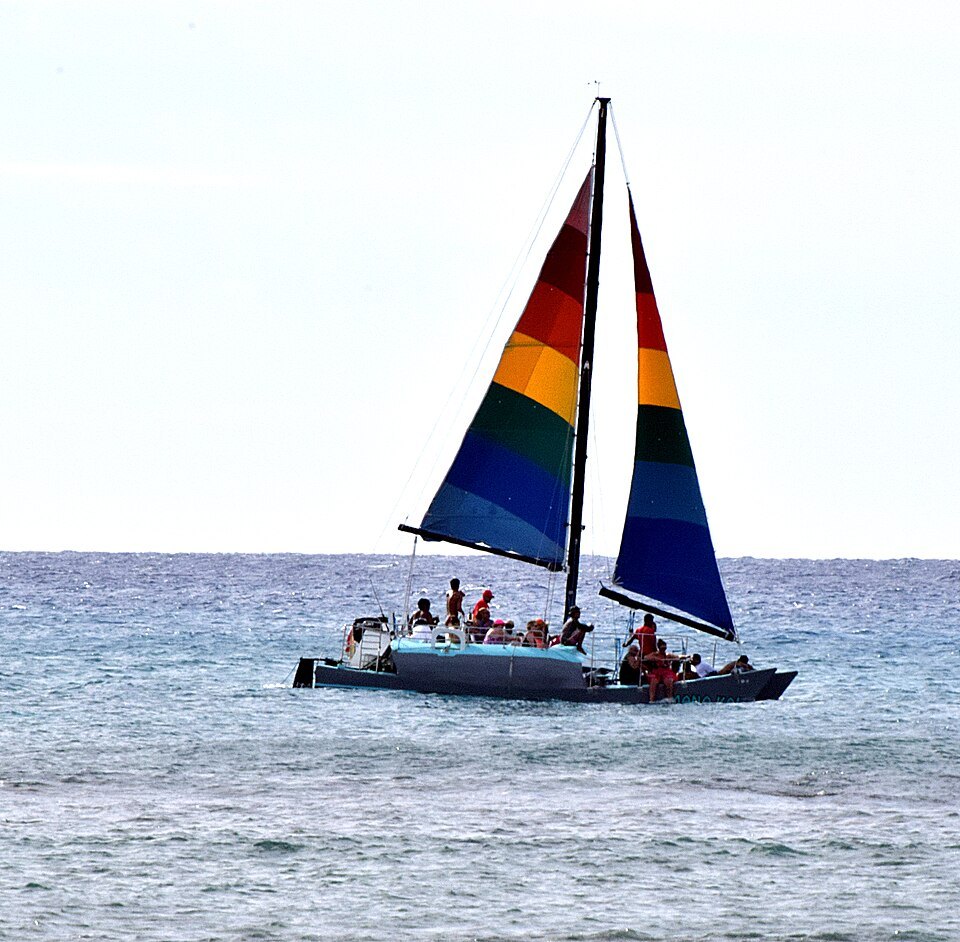
A visitor who prefers a quieter version of the day can see the draped statue at Aliʻiōlani Hale and walk the grounds of ʻIolani Palace before or after the parade passes, without standing in the crowd along the route itself. Combining that visit with a booked palace tour is worth planning ahead.
Weather for the day
11 June falls inside Honolulu's dry season, when trade winds blow on most days from May to September, keeping the south shore clear and comparatively cool for the tropics; see When to Come for the city's year-round climate. A visitor can expect a warm, mostly dry day along the parade route, with strong tropical sun rather than rain to plan around.
Afternoon heat builds along the open stretches near Ala Moana and Waikīkī, so a hat, sun protection and water are worth carrying for anyone following the parade on foot for any distance. Shade is limited along parts of the route, and the sun stays strong even on days that feel breezy from the trade winds; a light rain layer is rarely needed in June but easy enough to pack along.
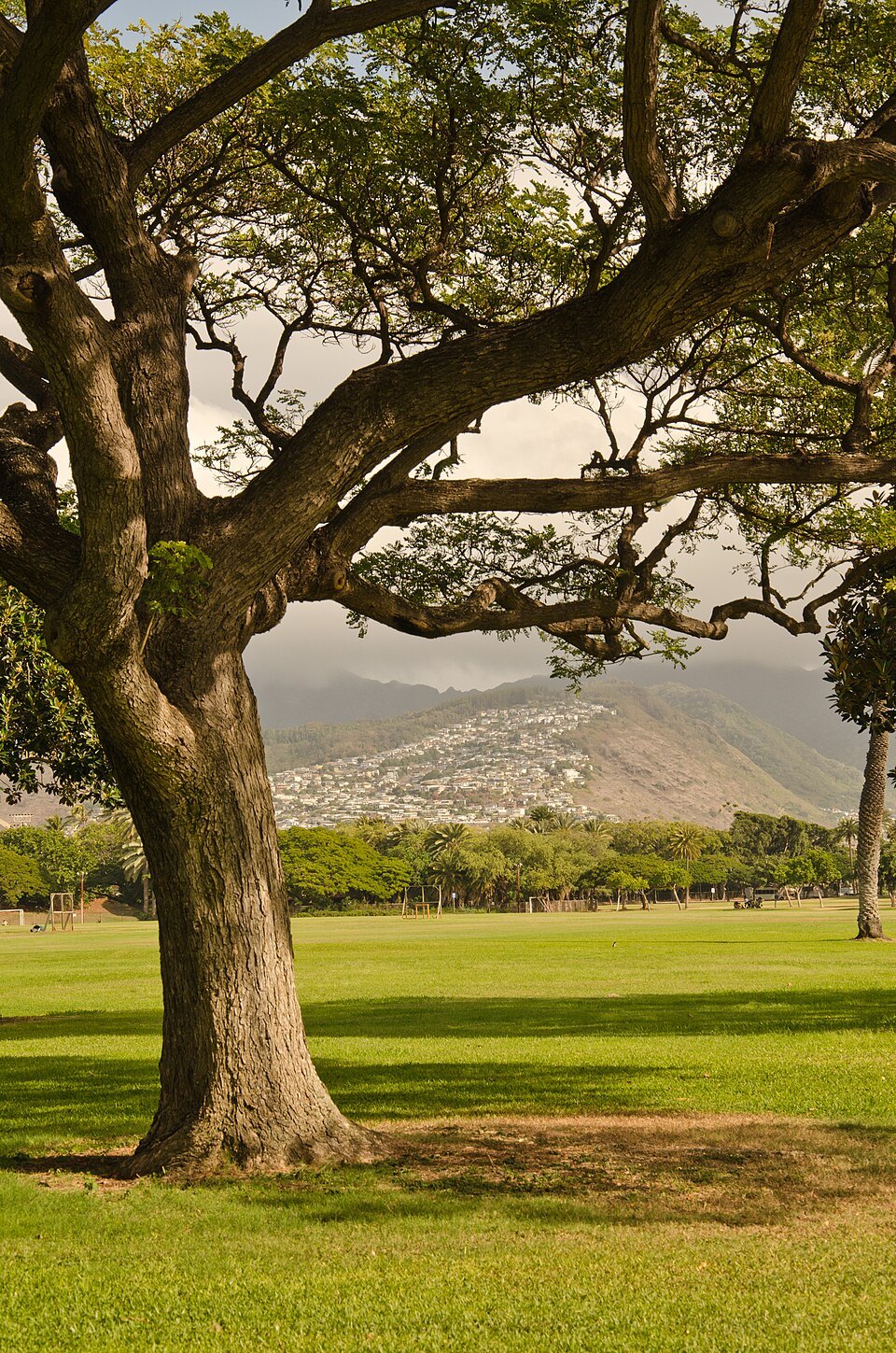
A passing shower is possible on any day in Honolulu, even in the dry season, so a quick look at the forecast on the morning of the parade is sensible. Evenings stay mild, so a light layer is enough once the sun sets, whether watching the parade's end or walking Kapiʻolani Park afterward.
The rest of the royal calendar
King Kamehameha Day is one of several dates tied to the monarchy. The Aloha Festivals, held statewide and based on the Makahiki, the traditional start of the Hawaiian year, add a royal court, a street party in Waikīkī and a second floral parade, on dates that change each year and should be checked against the festival's own calendar.
At ʻIolani Palace, ceremonies also mark the birthdays of King Kalākaua, on 16 November, and Queen Kapiʻolani, on 28 December. None of these quite matches King Kamehameha Day as the year's largest public tribute to the monarchy, but together they give a visitor several chances across the calendar to see Hawaiʻi's royal history marked rather than only displayed in a gallery, open to any visitor who happens to be in the city that week.
Because June falls within Honolulu's busier dry season, rooms and any ticketed tours can fill for the surrounding week; see Booking Ahead for what is worth arranging early. Beyond that, the day itself asks little of a visitor beyond showing up somewhere along the route, or outside Aliʻiōlani Hale, and simply watching it unfold.
More from the journal
- The KingdomWhat happened to the Hawaiian Kingdom, and where can you see it in Honolulu?How the kingdom was founded, how it ended in 1893, and a walk through the downtown blocks where its palace, government house, royal church and the queen's house still stand.Read the piece
- ʻIolani PalaceWhat will you see on a tour of ʻIolani Palace?What to expect from a tour of ʻIolani Palace, room by room, from the throne room to the queen's imprisonment cell.Read the piece
- When to ComeWhat is the best month to visit Honolulu?How Honolulu's steady warmth, trade winds and festival dates shape the best month for a visit.Read the piece