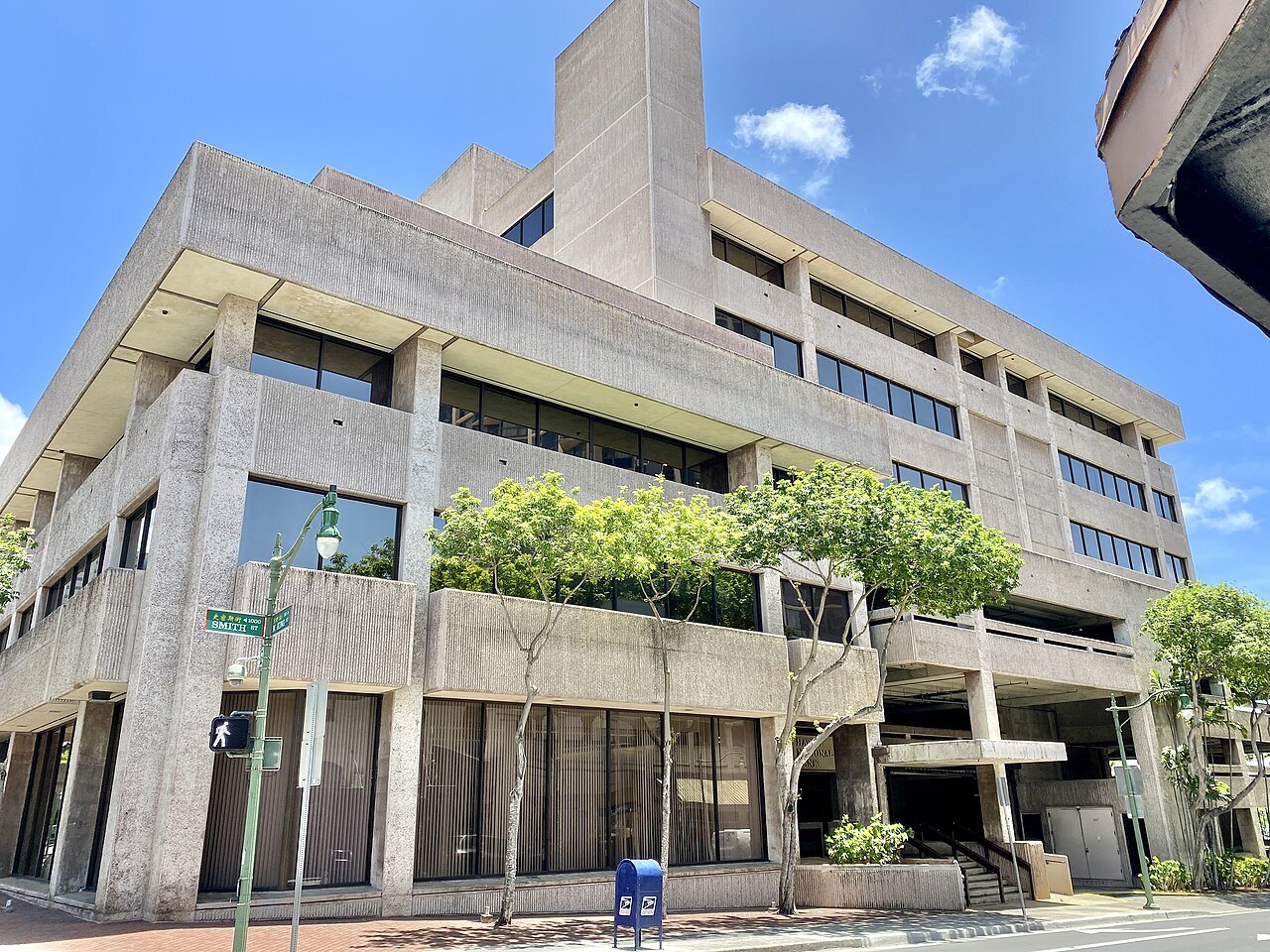
Read on
A craft of welcome
Lei making is the long-practiced Hawaiian craft of stringing or weaving flowers, leaves, vines, nuts, shells, or feathers into a garland worn around the neck, head, or wrist. Giving a lei is a gesture of welcome, celebration, honor, or farewell, and in Hawaiʻi the custom matters as much as the object; a lei is presented, not simply sold.
The craft is handed down rather than taught from a manual, and a lei maker's technique often reflects what was learned from a parent or grandparent. Visitors who see someone stringing or braiding a lei in public are welcome to watch, and most makers will explain the work if asked without interrupting their hands.
Methods and materials vary with the occasion. Plumeria and orchid are commonly strung on a needle and thread; ti leaf is braided flat; maile vine is twisted and knotted rather than cut into pieces; and lei of kukui nut, shell, or feather are made to be kept for years rather than worn once.
Chinatown's market blocks
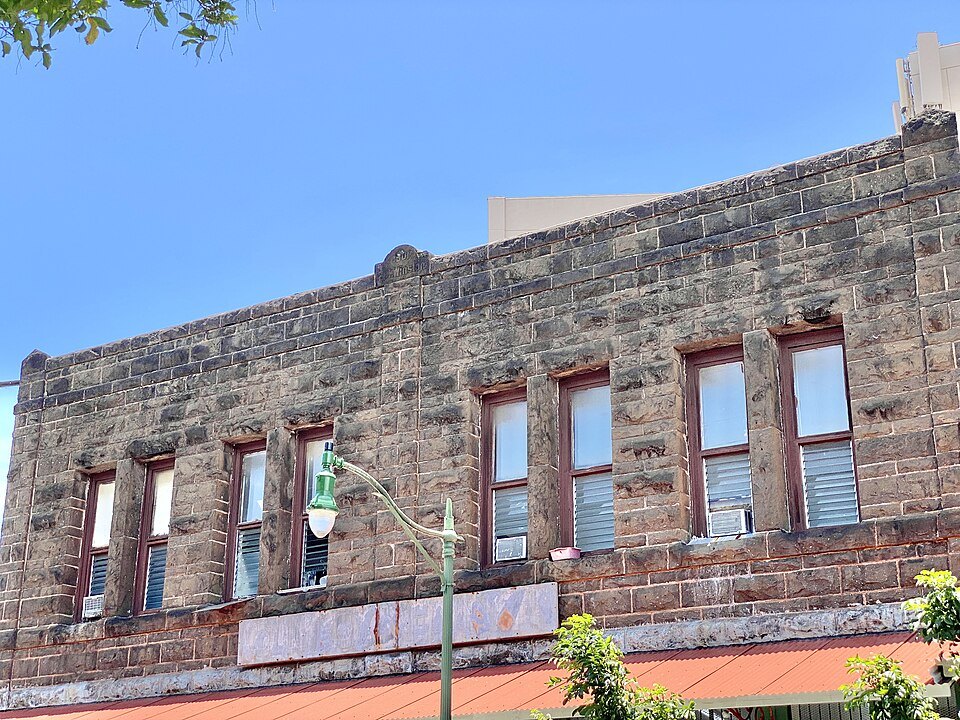
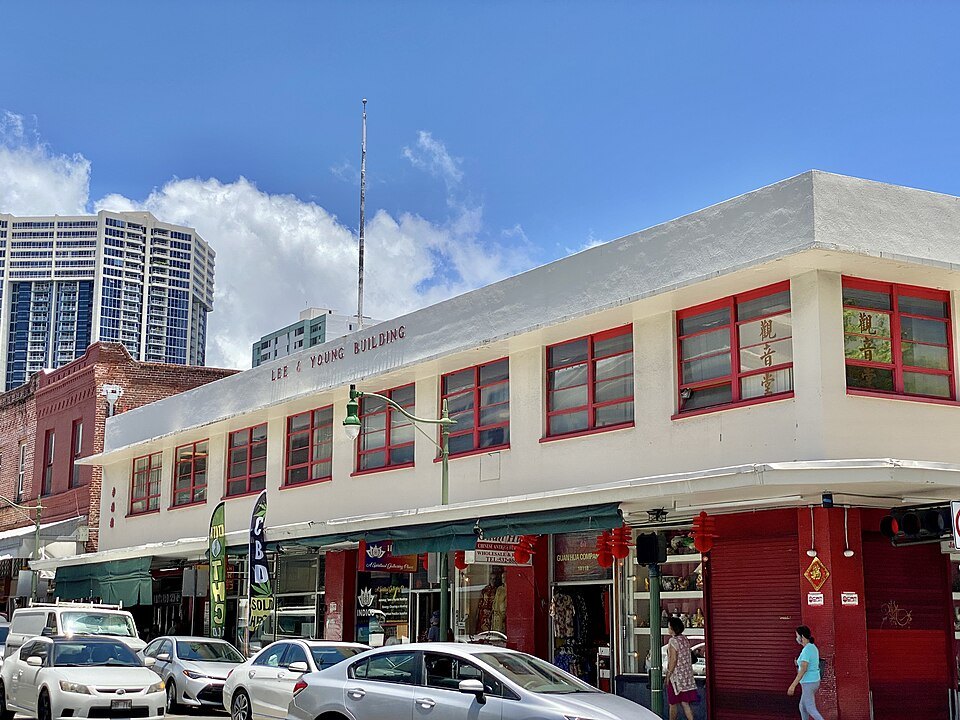
Chinatown took shape as a market and merchant district in the nineteenth century, after Chinese laborers finished their plantation contracts and settled near the harbor to open shops. The area has been mixed from the start, and it still functions as a place where Honolulu shops for food and goods, not as a preserved display.
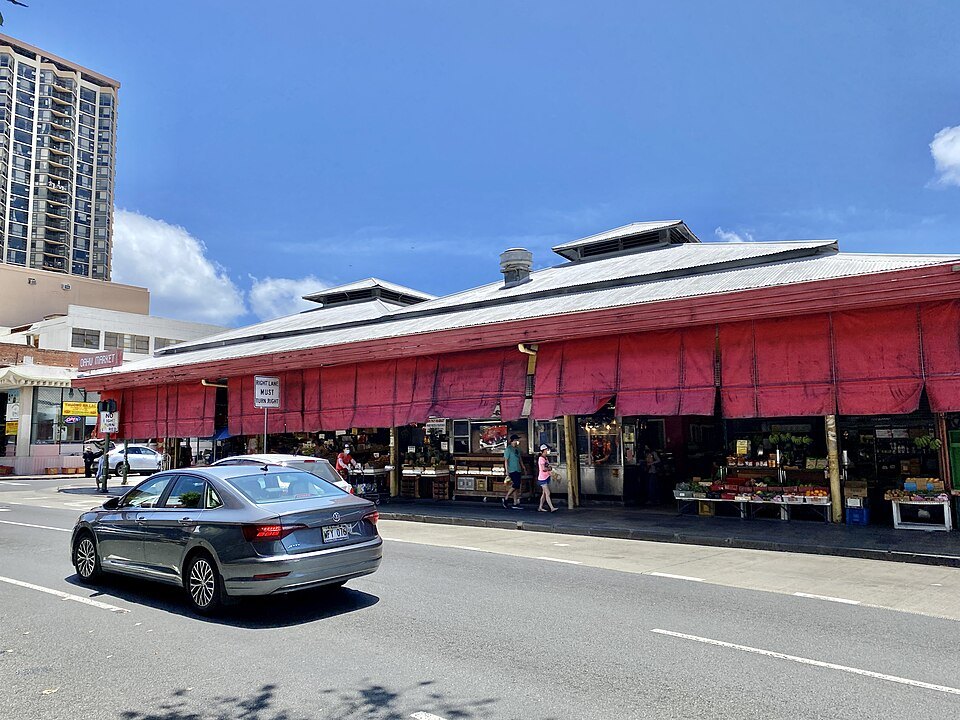
Two of its old market halls survive from that era. The Oʻahu Market, a covered, open-sided hall on King Street at Kekaulike, opened in 1904 and still sells fish and produce; nearby, a small brick arch on Maunakea Street leads into the Maunakea Marketplace. Both are working markets where stallholders sell what Honolulu buys day to day.
This guide does not have a confirmed location for watching lei making in Chinatown, and stall vendors and demonstrations come and go from year to year. The practical approach is to walk Hotel, King, and Maunakea streets in person and look, rather than plan a special trip around one named shop or vendor.
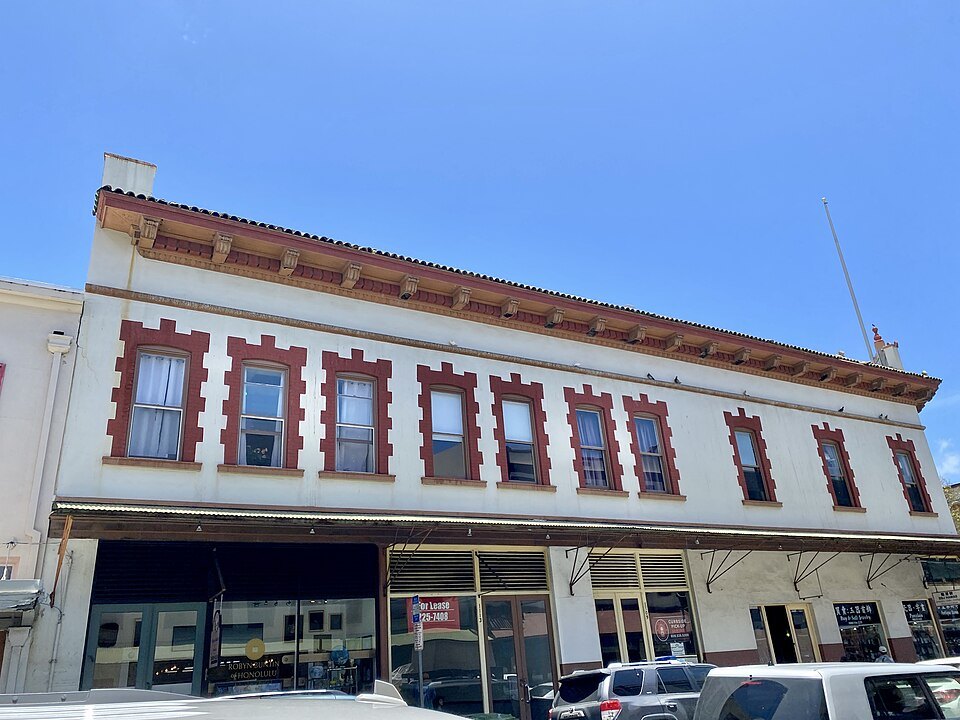
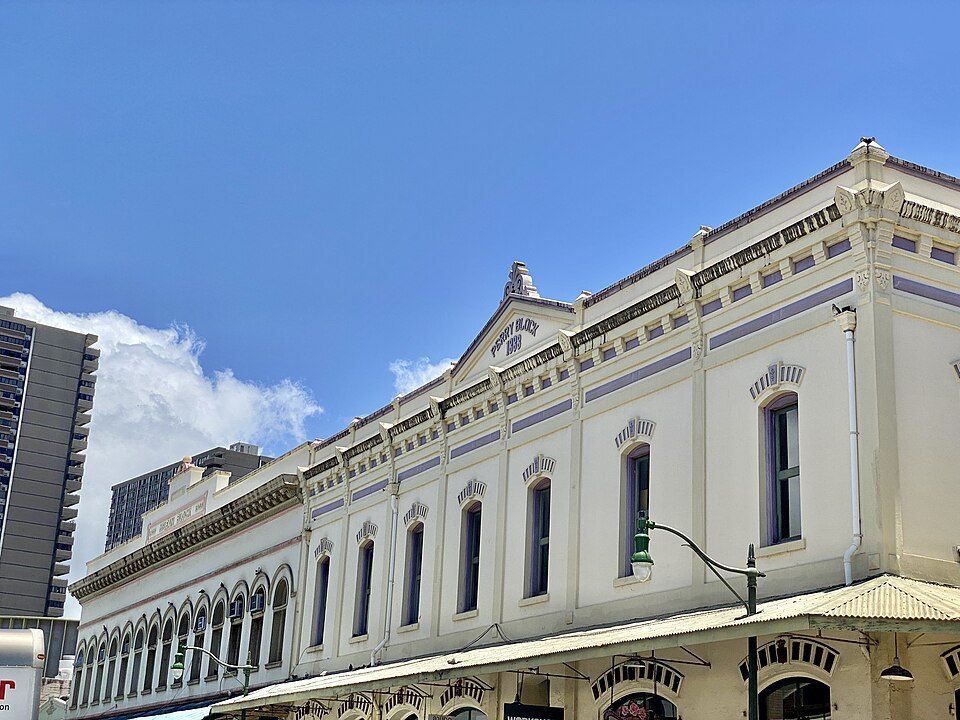
After the early fires, Chinatown's merchants rebuilt in brick and learned to sell the district's atmosphere to visitors as well as its goods; the restored Wo Fat building on Hotel Street, with its self-consciously ornamental style, is the best-known result. The same impulse toward visible craft, lei making included, still draws visitors into the market blocks today.
What a lei maker's work looks like
A lei maker at work usually sits behind a small table or stool with loose flowers piled in shallow trays, a spool of thread or raffia, and a long needle for stringing blossoms end to end. Finished strands are coiled into circles and kept cool and slightly damp until they are sold or given.
Braided or wound lei, made from ti leaf, fern, or vine rather than loose flowers, are worked flat across the maker's lap, the strands folded and tucked rather than threaded. Either method takes years of practice to do quickly, and an experienced maker can finish a strand of flowers in only a few minutes.
If a lei is being strung for a specific event, such as a graduation or a wedding, the maker may be working to fill a standing order rather than for passing customers. Questions and photographs are best kept brief in that case, so as not to slow hands that are already working against a deadline.
The scent of plumeria or other blossoms can signal where flowers are being strung before the work itself comes into view, and the quiet, repetitive motion of threading is easy to miss amid the louder business of a produce market. Slowing down and walking the edges of the market halls, rather than only the main aisles, is often what reveals it.
Watching and asking
Chinatown's own guidance for visitors applies directly here: be respectful when photographing people at work, and ask before pointing a camera at a lei maker's hands or face. Most vendors are used to interest in their craft, but a lei being assembled for a paying customer is still that customer's order, not a display.
Buying a lei, even a small one, is the clearest way to support the people who make them, and it often leads to a closer look, since a maker who has just finished a sale has a natural pause to talk about the work. Check prices and payment with the stallholder directly, since this guide does not set them.
Chinatown shares the general caution of any old downtown after dark, and the market blocks are most comfortable to walk in daylight and early evening. A visitor hoping to watch lei being made should plan the trip for that part of the day, when the stalls are busiest and most likely to be staffed.
Visitors hoping to have a lei made to order, for a graduation, anniversary, or similar occasion, should ask directly at a market stall whether that is possible and discuss materials and timing with the maker in advance, since availability depends on the flowers in season and the vendor's other orders that day.
Lei in Honolulu's wider year
Lei appear throughout Honolulu's year, not only in Chinatown: at airport greetings, at graduations through spring, at the citywide Lei Day celebration, and at King Kamehameha Day events each June, when statues and processions in the Capitol District are hung with flowers. Chinatown's market culture is part of that same broader custom of giving and wearing lei.
For the dates and details of seasonal lei events, including the citywide Lei Day celebration and King Kamehameha Day, check current listings with the event organizers or Honolulu's visitor information services rather than assume a date in advance, since those calendars change from year to year and this guide does not set them.
Many of these occasions sit outside Chinatown itself, in the Capitol District or along Kalākaua Avenue near Kapiʻolani Park, but they share the same custom visible in the market stalls: a lei handed to someone in person, meant as a greeting or an honor rather than bought only as a souvenir to keep.
Getting there
Chinatown is flat and compact, and its market blocks are easiest reached on foot from Aloha Tower and the harbor a few blocks away, or from the Capitol District nearby. Buses run from Waikīkī along King and Hotel streets; see getting around for current routes and timing before setting out.
Because this guide does not name a single confirmed shop, the most reliable source for a current answer is local: ask at the market stalls themselves, or check with Honolulu's visitor information service before the trip, since lei vendors move between stalls and change their hours more often than a fixed storefront would.
Chinatown's market stalls are part of the city's food culture as well; see eating and drinking for more on what to try nearby while walking the same blocks. As with any market, keep an eye on belongings among the stalls, and be respectful of vendors who are working, not performing for visitors.
Lei making in Chinatown is best treated as something to encounter while exploring the markets, food stalls, and historic storefronts described elsewhere on this site, rather than as a scheduled stop. Visitors who build time into a longer walk through the district are more likely to see it than those chasing a single confirmed location.
More from the journal
- When to ComeWhat is Lei Day, and how is it celebrated in Honolulu?What Lei Day on the first of May celebrates, where Honolulu marks it, and how to time a visit around it.Read the piece
- When to ComeWhat happens in Honolulu on King Kamehameha Day?How Honolulu marks King Kamehameha Day on 11 June, from the draped statue downtown to the floral parade through Waikīkī.Read the piece
- ChinatownWhat should you look for on a walk through Honolulu's Chinatown?A practical guide to the facades, markets and theater that survived two fires in Honolulu's Chinatown.Read the piece