Read on
A holiday for the lei
Lei Day falls on the first of May, a holiday observed in Honolulu since 1929. It set aside a day to celebrate the lei, the garland of flowers, leaves, shells or feathers strung by hand and given as a sign of welcome, affection or celebration, one of the most recognizable customs in the islands. The date has nothing to do with the kingdom's old calendar; it was created in the twentieth century, but it draws on a tradition far older than that.
Each of the Hawaiian islands has long been linked with a lei of its own, a custom older than the holiday itself. Lei Day gathers these together, a single day when the different island lei appear side by side in the city, a reminder, even on Oʻahu, that Honolulu sits within a wider chain of islands, each with its own flower, color and claim.
The first Lei Day celebrations were modest, held in courthouses and town halls rather than on a stage built for the occasion. They were civic gatherings as much as festive ones, a way of marking the start of May with something distinctly local, at a time when much of the public calendar still followed the mainland United States.
From town halls to Kapiʻolani Park
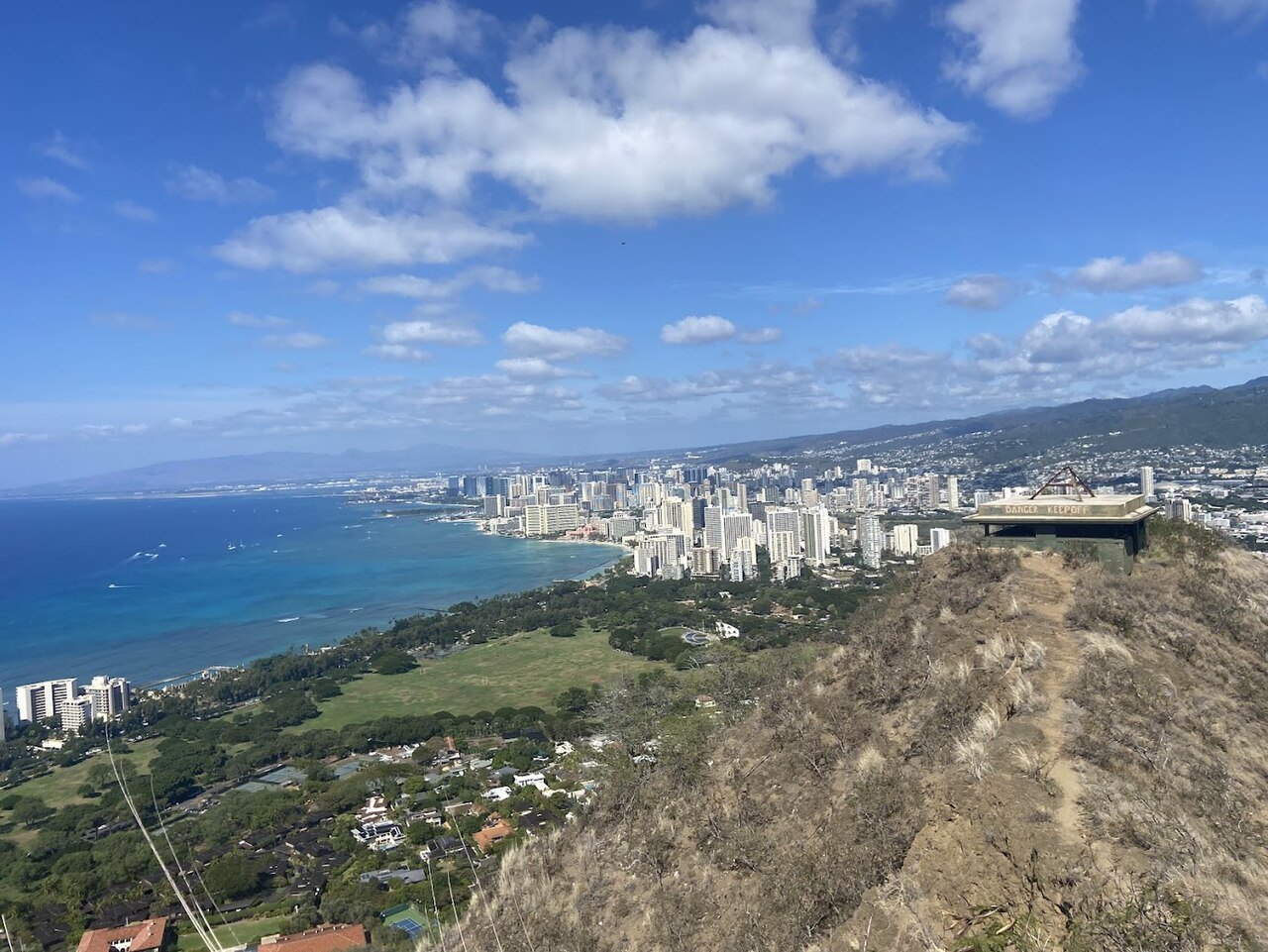
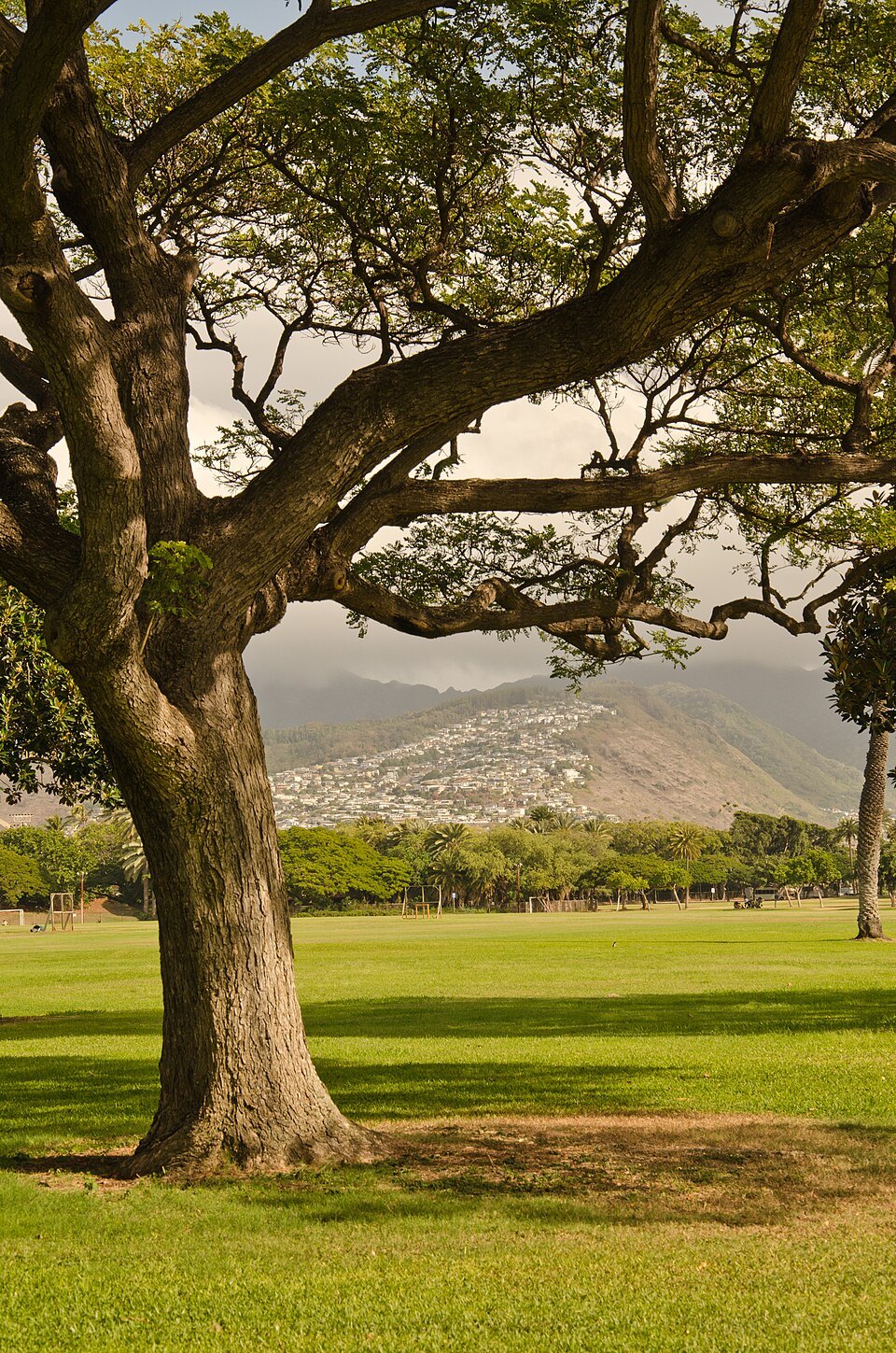
Over the decades the celebration moved, and today it is centered on Kapiʻolani Park, at the foot of Diamond Head and along the eastern edge of Waikīkī. The park, already the city's largest and most used green space, takes on an added role each May Day, as it does on several other dates through the year when Honolulu marks an occasion with ceremony, music or a parade.
One of those other dates is King Kamehameha Day, on the eleventh of June, when a floral parade beginning at ʻIolani Palace finishes at the same park, after passing the harbor, Kakaʻako, Ala Moana and Waikīkī. Seen together, the two days frame early summer in Honolulu with lei at their center, one holiday far older than the other.
Lei Day itself has no parade route of its own; the gathering takes place within the park's open grounds. A visitor does not need to arrive at any set hour to see lei on display, since much of the day is simply a public one, with people moving through the park in garlands they have made, bought or been given.
What the day includes
The day's program changes from year to year and is best confirmed close to the date, but it is built around the lei itself: the different island lei displayed together, people wearing and exchanging them, and the kind of gathering, with music and crowds, that marks a Hawaiian celebration. A visitor who wants the particulars for a given year should check with the park or city listings nearer the time.
The first of May falls within the stretch from May to September when trade winds blow on most days, keeping Honolulu's south shore dry and clear. A Lei Day visit is unlikely to be rained on, though mornings and evenings can still carry a breeze, worth a light layer even on a day spent mostly in short sleeves.
The ocean itself is not the point of the day, but Waikīkī Beach lies within easy walking distance of the park, and many visitors combine the two: an afternoon among the lei, an evening on the sand. Lifeguards still post the usual notices on surf and water conditions regardless of the holiday, and they are worth a glance before swimming.
Lei Day among the city's other days
Lei Day is the earliest of several fixed dates on Honolulu's calendar, days unconnected to weather or season that are worth knowing if a trip can be timed around them. After it comes King Kamehameha Day on the eleventh of June, when the statue in front of Aliʻiōlani Hale is draped in long lei and a parade of floats follows the same route toward Kapiʻolani Park.
Later in the year come the Aloha Festivals, a statewide series of free cultural events based on the Makahiki, the start of the old Hawaiian year, with a royal court, a street party in Waikīkī and another floral parade; dates vary, so check them for the year of a visit. At ʻIolani Palace, ceremonies mark the birthdays of King Kalākaua and Queen Kapiʻolani later still.
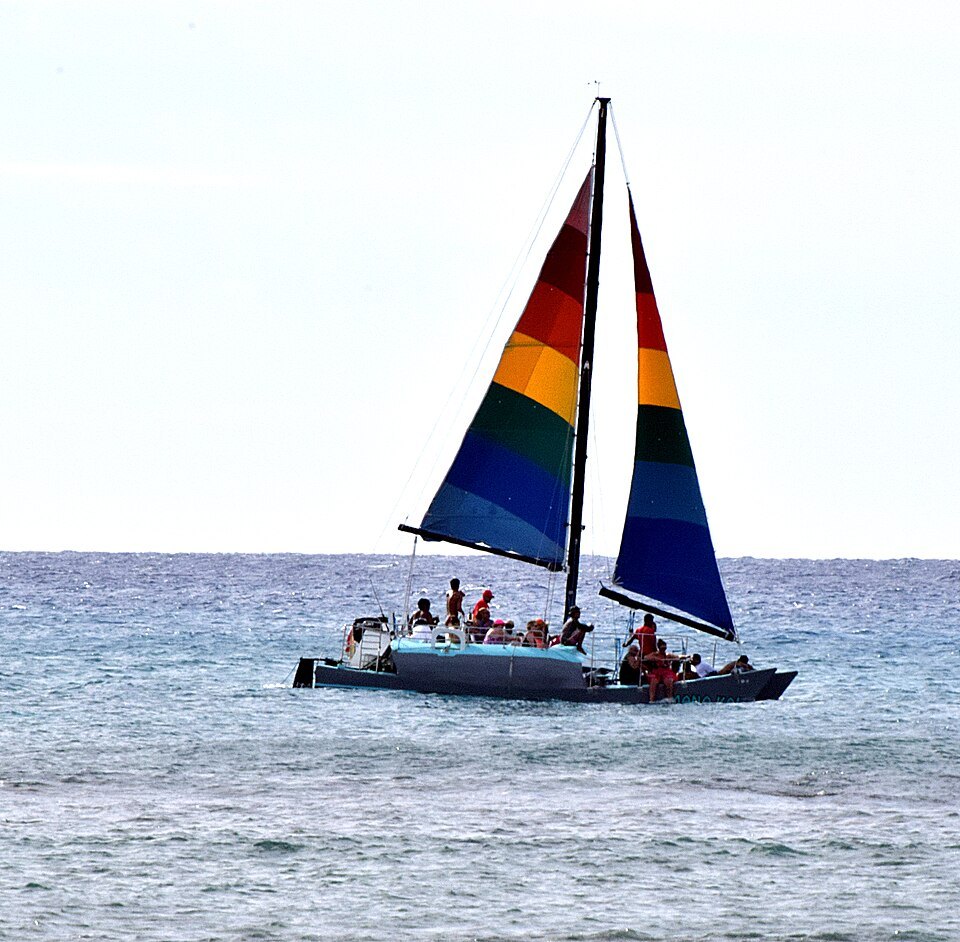
None of these days requires a ticket or a booking, but each draws crowds and can affect parking and traffic along its route for a few hours. A visitor who wants to watch Lei Day, the Kamehameha Day parade or an Aloha Festivals event should plan transit and timing loosely around it rather than tightly, and expect streets near Kapiʻolani Park to be busier than usual.
Visiting during the first days of May
A trip timed to Lei Day sits near the start of Honolulu's long dry season, when trade winds are already blowing on most days and the sunniest, most reliable weather of the year is beginning. It is a good stretch for an outdoor day in the park, and for the beach afterward, without the heavier winter rains that fall mostly between October and April.
The ocean is warm in every month, including early May, so swimming plans do not depend on the date; the choice is more about sun and crowds than temperature. Lifeguards post notices on surf and on box jellyfish, which tend to arrive several days after each full moon regardless of the calendar, and those notices are worth checking on any beach day.
Accommodation in Waikīkī can fill around early May, since the holiday sits inside a wider season of spring travel in the islands. A booking made earlier rather than later suits a stay timed to the date, and the same is true of a rental car or any tour booked for the same week; see booking ahead for what else in Honolulu is worth reserving before arrival.
Getting there and making a day of it
Kapiʻolani Park sits at the end of Waikīkī, within walking distance of most hotel districts and reachable by public bus from elsewhere in the city. Traffic and parking near the park tend to be heavier than usual on the day itself, so arriving on foot, by bicycle or by bus is simpler than coming by car, especially in the afternoon.
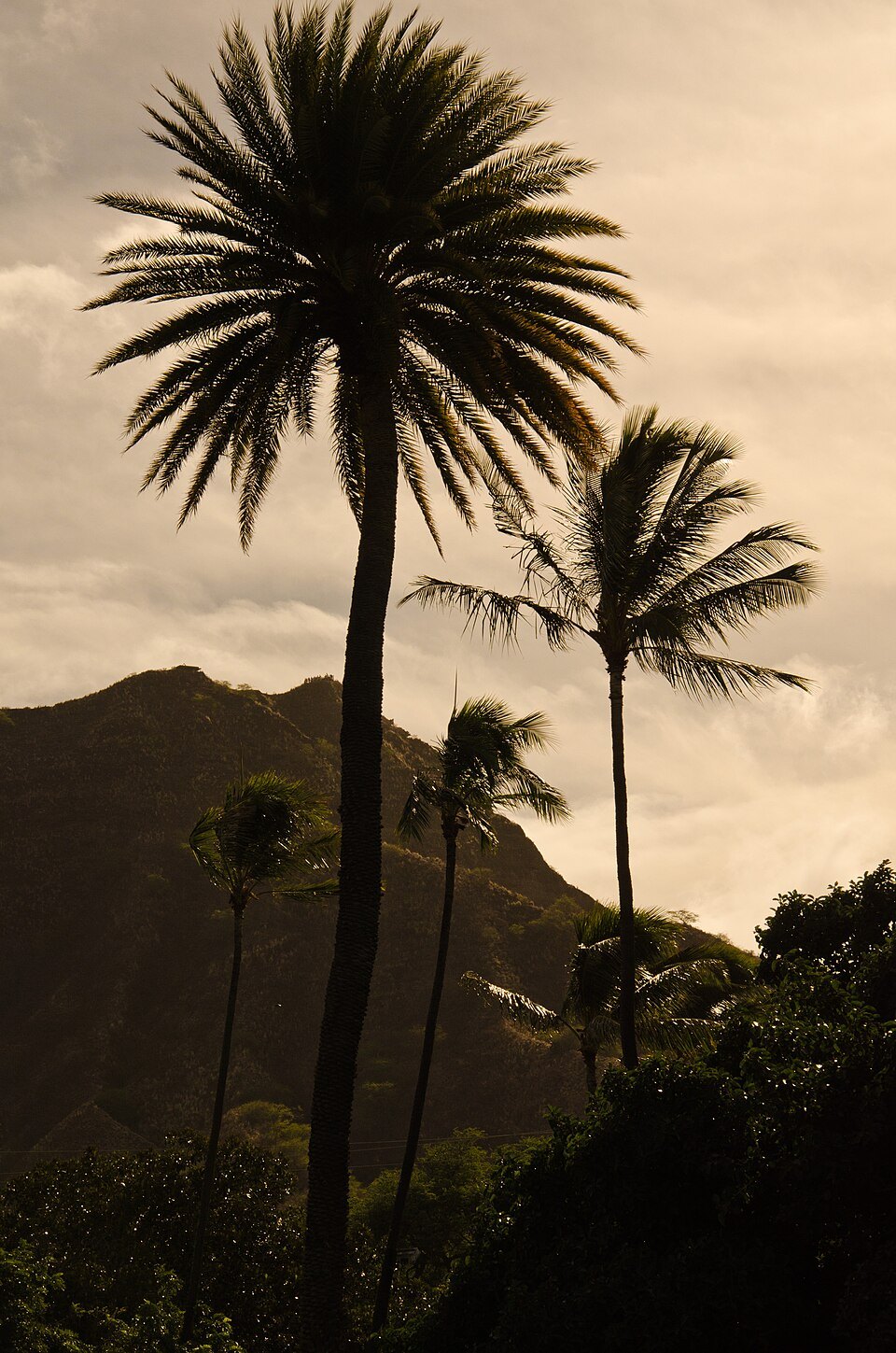
The park borders Diamond Head, whose outline frames most photographs taken on the lawns that day, and Waikīkī Beach runs along its other side, so a Lei Day outing pairs easily with either. A walk toward the crater or an hour in the water rounds out a visit built mainly around lei in the late morning or early afternoon.
Whatever else fills the day, the simplest way to take part is the oldest: wear a lei, or accept one if offered, and treat the gesture as it is meant, a small welcome rather than a performance for visitors. Lei Day asks nothing more formal of anyone passing through Honolulu on the first of May.
More from the journal
- When to ComeWhat happens in Honolulu on King Kamehameha Day?How Honolulu marks King Kamehameha Day on 11 June, from the draped statue downtown to the floral parade through Waikīkī.Read the piece
- When to ComeWhat is the best month to visit Honolulu?How Honolulu's steady warmth, trade winds and festival dates shape the best month for a visit.Read the piece
- The KingdomWhat happened to the Hawaiian Kingdom, and where can you see it in Honolulu?How the kingdom was founded, how it ended in 1893, and a walk through the downtown blocks where its palace, government house, royal church and the queen's house still stand.Read the piece