Read on
A law written for the reef
Since 1 January 2021, it has been illegal in Hawaiʻi to sell or distribute sunscreen containing oxybenzone or octinoxate without a prescription. The law, Act 104 of 2018, applies across the state, not only in Honolulu, and it falls on the people who sell sunscreen rather than on the traveler who simply brings a bottle through the airport. It was one of the first laws of its kind passed anywhere in the United States.
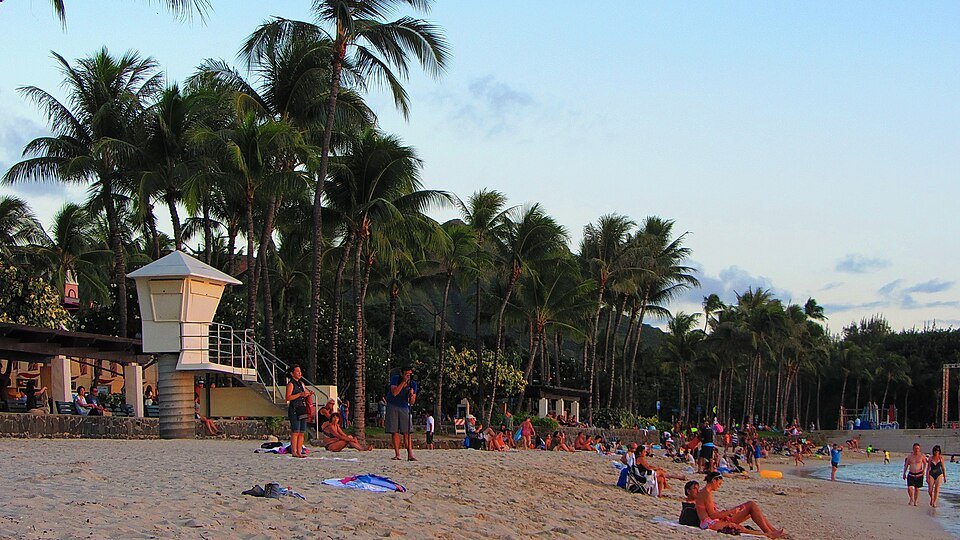
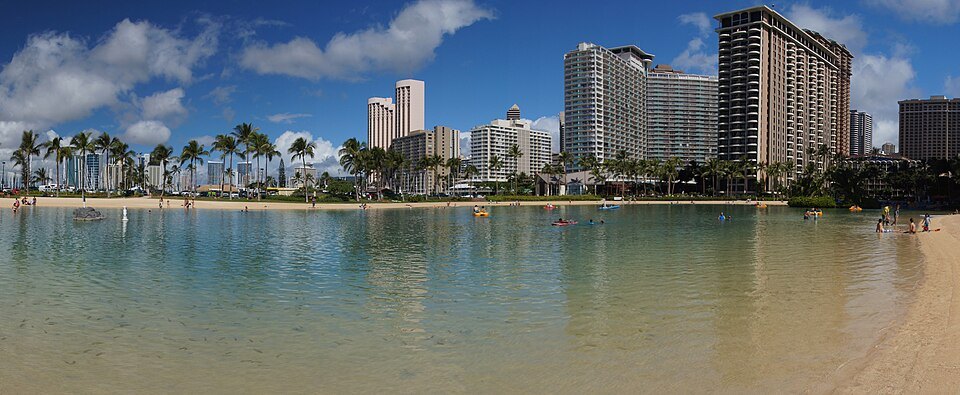
Lawmakers passed the act after finding that these two chemicals harm coral reefs, the living structure that keeps the water off Waikīkī and Ala Moana calm enough for a first-time swimmer. Coral there is close to the surface in many places and easily damaged by far more than sunscreen, which is why the city also posts rules about standing on it, touching it, or breaking off a piece, discussed further below.
The ban does not reach into your suitcase. You may still bring sunscreen from home, including a bottle bought long before the law existed, and nobody will search it at the airport. But choosing a bottle without oxybenzone or octinoxate before you pack follows the spirit of the rule as well as its letter, and it costs nothing extra to check the label while you are still at home.
What the ban covers, and what it does not
The law names two ingredients only: oxybenzone and octinoxate. Both are common in ordinary drugstore sunscreens sold across the United States, so it is worth turning the bottle over and reading the list of active ingredients before you buy, rather than trusting a label that simply claims the product is made for the ocean or for sensitive skin. The names are usually printed plainly near the top of the ingredient panel.
A later bill proposed adding two more chemicals, avobenzone and octocrylene, to the ban. It did not become law, whatever some packaging and some travel websites claim. Selling a sunscreen containing either of those two ingredients remains legal in Hawaiʻi under the rule as it stands, so a bottle that lists them is not, by itself, breaking any state law, however it is marketed on the shelf.
Rules like this can change, and a travel guide written for visitors is not the place to settle a live question of state law. If the distinction between the two pairs of chemicals matters to you, check the state's current guidance directly before you buy or pack, rather than relying on a store display, a product label, or a secondhand claim found online.
Buying sunscreen once you are here
If you arrive without sunscreen, or run out partway through the trip, you can still buy more on Oʻahu. Read the label the way you would at home: look for oxybenzone and octinoxate on the list of active ingredients, and set the bottle back on the shelf if either name appears, rather than assuming every bottle sold in Hawaiʻi has already been checked for you.
A label that says reef safe or reef friendly is a marketing phrase, not a regulated claim the way the active-ingredient list is. Treat it as a starting point for your own check rather than a guarantee that the bottle meets the state's rule. The ingredient panel on the back is the part the law actually governs, and the part worth reading closely.
If you are unsure what a bottle contains, that same panel is the most reliable guide you have, far more reliable than wording on the front of the bottle or a shelf sign in a store, however confidently either is phrased. Keep the receipt if you are not sure, in case you want to check the ingredients again once you are back at your room.
Shirts, hats and shade
A shirt and a hat protect your skin, and the reef, better than any lotion, and they do it without washing anything into the water at all. Hawaiʻi's sun sits close to overhead for much of the year and burns faster than it feels, especially out on the water, where light reflected off the surface reaches skin a shirt would otherwise have covered.
Rash guards, the close-fitting shirts surfers and swimmers wear, are a practical choice at a beach like Waikīkī, where the water stays shallow a long way out and a first morning in the sun can do more damage than a visitor fresh off a long flight expects. They also save you from reapplying sunscreen every time you come out of the water.
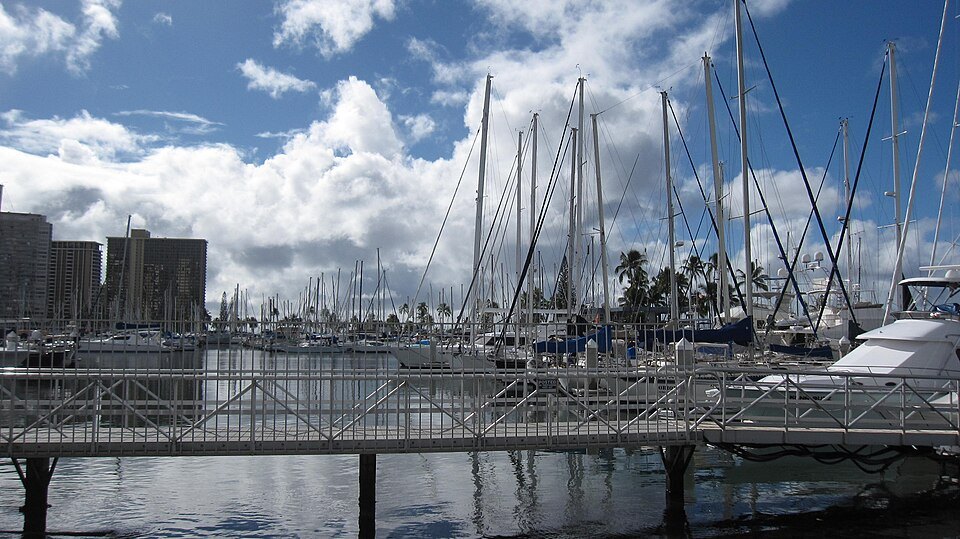
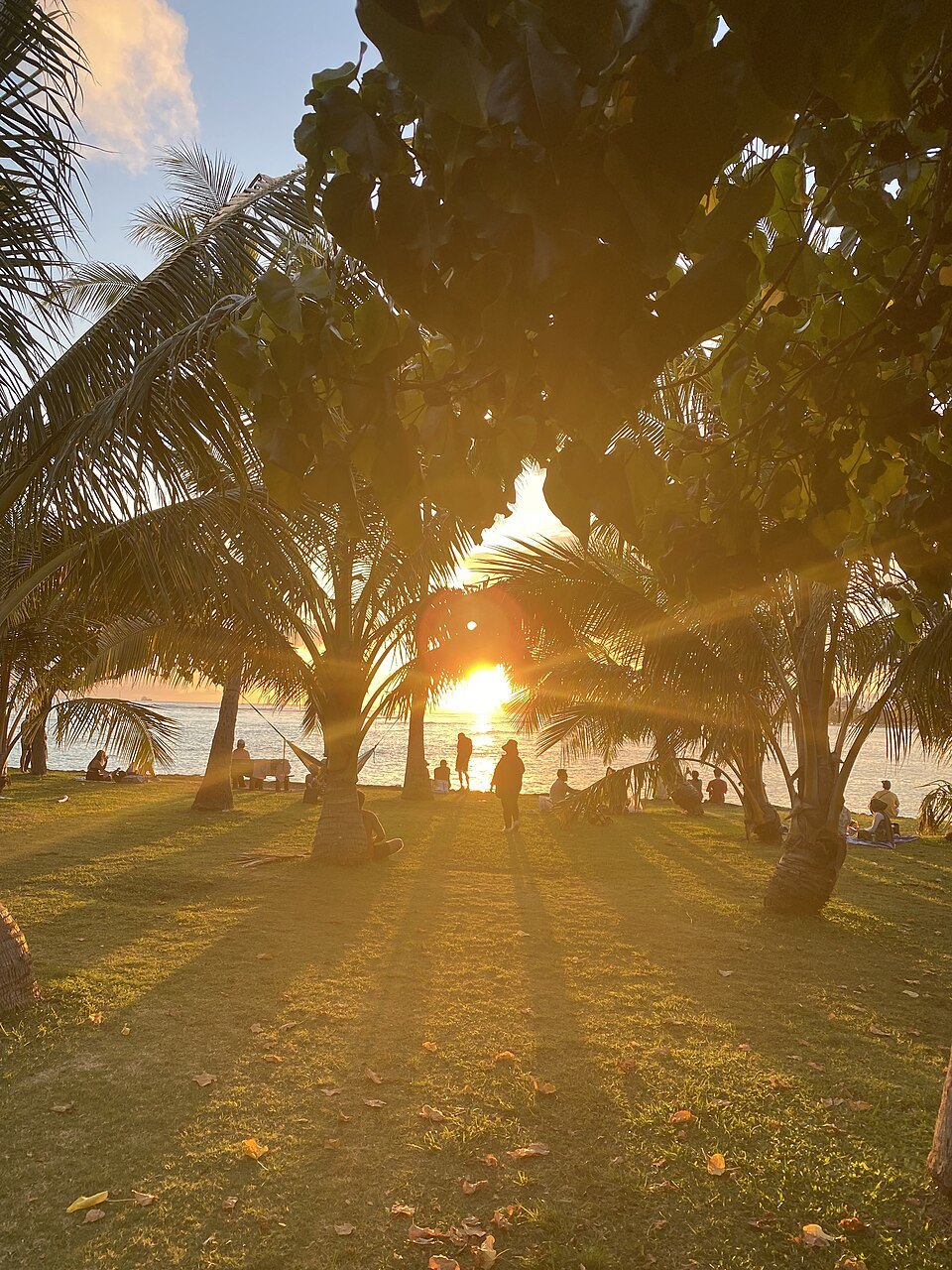
Shade matters too. Honolulu's beach parks and the grounds behind Waikīkī, including Kapiʻolani Park, offer trees and open lawn where you can break from direct sun between swims. A few minutes under cover between sessions in the water cuts down on how much sunscreen, of any kind, you need over a long beach day.
Protecting the reef beyond sunscreen
Sunscreen is only part of how a visitor affects the reef. Coral is sharp and easily broken: do not stand on it, touch it, or take a piece home as a souvenir, and wear something sturdy on your feet wherever a posted sign warns of sharp coral close to the shoreline.
Sea turtles, and occasionally a Hawaiian monk seal resting on the sand, share the same water where you swim. Both are protected under federal guidelines: stay at least ten feet from a turtle, at least fifty feet from a seal, and at least a hundred and fifty feet from a mother seal resting with her pup, on land and in the water alike.
Never touch, chase or feed these animals, and keep any sighting brief rather than lingering for photographs; a camera's zoom does the same job without the risk to the animal or to you. Report a sick or stranded animal to NOAA's marine wildlife hotline rather than approaching or moving it yourself.
What to check before you go
Pack sunscreen before you fly if you already own one without oxybenzone or octinoxate. It is simpler than reading labels in an unfamiliar store on the first morning of the trip, and it means one less errand to run once you have landed and are eager to get to the beach.
If you plan to buy sunscreen locally instead, build a few minutes into the first day for reading labels rather than grabbing the nearest bottle, particularly if a surf lesson or a beach day is already booked for early morning and the beach is the very first stop after breakfast.
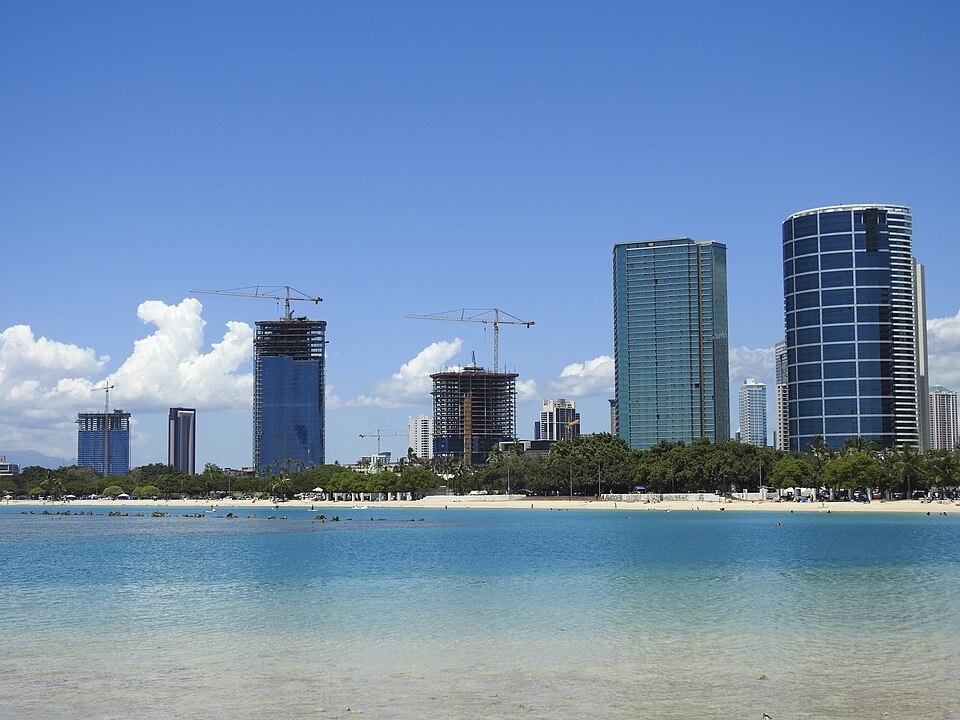
For the beaches themselves, the lifeguards on duty, and the posted signs that matter more than any bottle of sunscreen once you are standing in the water, see the ocean; for the stretches where families and beginners tend to find the calmest, most sheltered swimming, see Waikīkī and the water nearby.
More from the journal
- The OceanWhen do box jellyfish come to Waikīkī, and what should you do?Box jellyfish follow the moon, not the calendar: when they tend to arrive at Waikīkī, and how to find out before you swim.Read the piece
- The OceanHow do you spot and escape a rip current at a Honolulu beach?How to read Honolulu's beach warning signs, spot a rip current, and swim free of it safely.Read the piece
- The OceanWhere can beginners swim safely in Honolulu?The calmest water in the city for children and weak swimmers, what makes each beach easy or tricky, how to read the lifeguards' signs, and the reef, jellyfish and sunscreen rules to know before you get in.Read the piece