Read on
A question tied to the moon, not the calendar
Visitors often ask for a fixed date, as though box jellyfish kept a timetable like a bus or a ferry. They do not; their arrival on the south and leeward shores of Oʻahu, including Waikīkī, follows the lunar cycle rather than the Gregorian calendar, so no single printed date applies to every visit regardless of the month you travel. Many visitors never encounter one at all, but the few who do tend to remember exactly where they were standing when it happened.

The pattern lifeguards watch for is nine to ten days after each full moon. Around then, box jellyfish tend to drift into the shallow water along the south shore in numbers large enough to matter, rather than the occasional single animal a swimmer might never even notice drifting past at all.
That means the safe approach is not to count days from a calendar before leaving home, but to ask locally once you have arrived. A lifeguard on duty that morning will know whether the window has begun, far better than any app, chart or secondhand account could tell you in advance.
How lifeguards warn you
The Honolulu Ocean Safety Department posts warning signs at its towers for the day's actual conditions, and the same standard signs are used at lifeguarded beaches right across the state. A jellyfish warning posted today reflects today's water, not an estimate made in advance or a pattern noticed last week, however reliable that pattern seemed at the time.
This is why the advice for every beach day in the city stays the same: walk to the nearest lifeguard tower before entering the water, read whatever is posted there, and ask the lifeguard directly if you are unsure what a sign means or whether it still applies to the day's conditions.
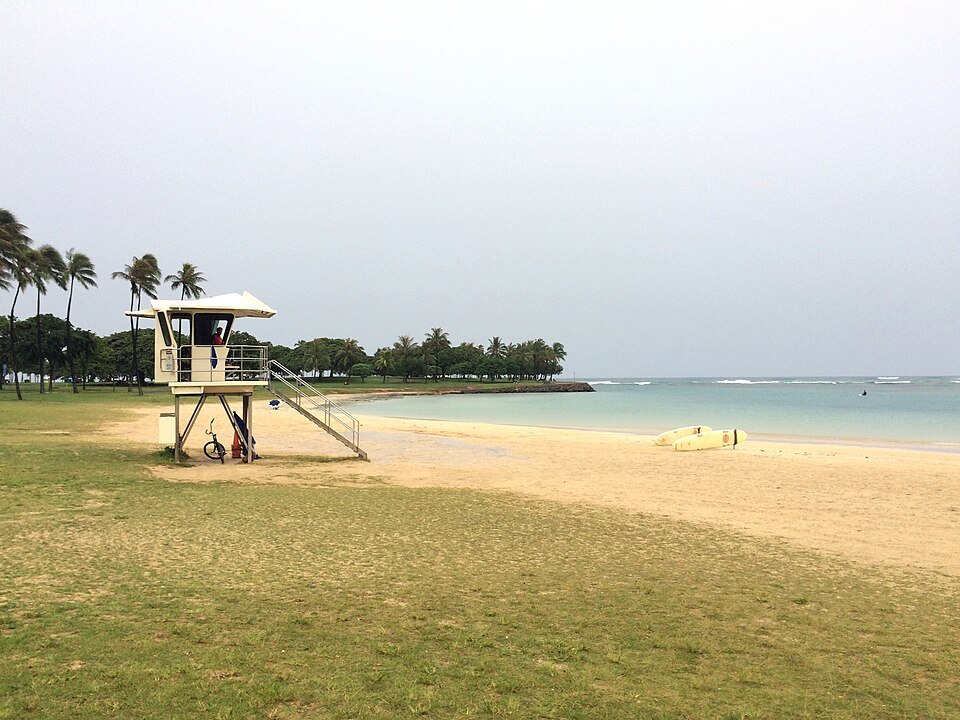
Signs are taken down once conditions change, so a photograph a friend sent from an earlier trip, or a warning you remember from a previous visit, tells you nothing reliable about today. Only the sign on the tower, read on the day you swim, actually counts for anything at all.
If you are stung
A box jellyfish sting is not something to treat from guesswork or advice found online. The simplest and best first step is to get out of the water and tell the lifeguard immediately; towers on the main city beaches are staffed, and lifeguards are trained to give appropriate first aid right on the spot.
Do not try to remove tentacles or treat a sting by your own judgment, and do not assume that a remedy you have heard of elsewhere is right for Hawaiian waters. Ask the lifeguard, who deals with stings of this kind far more often than any visitor ever will at this beach.
The same caution applies to a milder-looking sting from a stray tentacle lying on the sand. Jellyfish and Portuguese man-o-war can still sting when stranded and apparently lifeless, so avoid touching anything unfamiliar washed up at the waterline, and report it to the lifeguard rather than handling it yourself, especially before children wade in barefoot.
Portuguese man-o-war and other stingers
Box jellyfish are not the only stinging animal that reaches these shores. Portuguese man-o-war come ashore whenever winds blow strongly onshore, which can happen at any point in the year and does not depend on the lunar cycle that governs when box jellyfish tend to arrive at Waikīkī, regardless of the calendar month.
Because the two follow different triggers, a single beach can be flagged for one, for both, or for neither on any given day. This is another reason to read the actual signs posted at the tower each morning rather than relying on a general memory of past seasons every time you visit.
If you see a blue, bladder-like float resting on the sand, keep well clear of it and keep children and pets away too, since tentacles can trail some distance from the body. Report the sighting to the lifeguard, so the warning can be posted or updated for everyone arriving after you.
Other ocean life at the same beaches
Waikīkī's water also holds green sea turtles, and the sand occasionally hosts a resting Hawaiian monk seal. Both are protected species, and federal guidelines ask swimmers and sunbathers to keep a clear distance: at least ten feet from a turtle, at least fifty feet from a monk seal, and at least a hundred and fifty feet from a mother seal with her pup.
Never touch, chase or feed these animals, even if one surfaces close to you while you swim or hauls out near your towel. Keep any encounter brief, use your camera's zoom rather than stepping closer, and let the animal move on in its own time, undisturbed by onlookers at the shoreline.
If you find an animal that looks sick, injured or stranded on the sand, do not attempt to help it yourself. Report it instead to NOAA's marine wildlife hotline, which exists to handle exactly this kind of call across the islands, and let trained responders decide what to do next.
Reef, sunscreen and the bigger picture
Box jellyfish are a seasonal hazard on top of a reef that is alive every day of the year. Coral is sharp and easily broken, so avoid standing on it, touching it or taking a piece home, and wear something on your feet wherever a sign warns of sharp coral underfoot.
Since the first of January 2021, Hawaiʻi has barred the sale of sunscreen containing oxybenzone or octinoxate without a prescription, because the legislature found these chemicals harm coral reefs. You may bring sunscreen from home, but choose one without them, and check current state guidance if label claims seem to differ. Enforcement falls to retailers, not to visitors carrying a bottle from home.
A later proposal to add two more chemicals to that ban did not become law, whatever some labels or websites still claim, and rules can change, so check official guidance if it matters to your packing. A shirt and a hat protect skin, and the reef beneath it, at least as well as any lotion.
Planning around the risk
None of this means avoiding the water. It means treating the lifeguard tower as the first stop on any beach day, every single time, whether or not it falls within the jellyfish window, and following whatever is posted that morning rather than what you read before leaving home that day.
The same habit covers currents, surf and reef hazards described on this site's broader guide to the ocean, since box jellyfish are only one risk among several that can change from one day to the next on an open Pacific shoreline, open to sun, wind and swell alike.
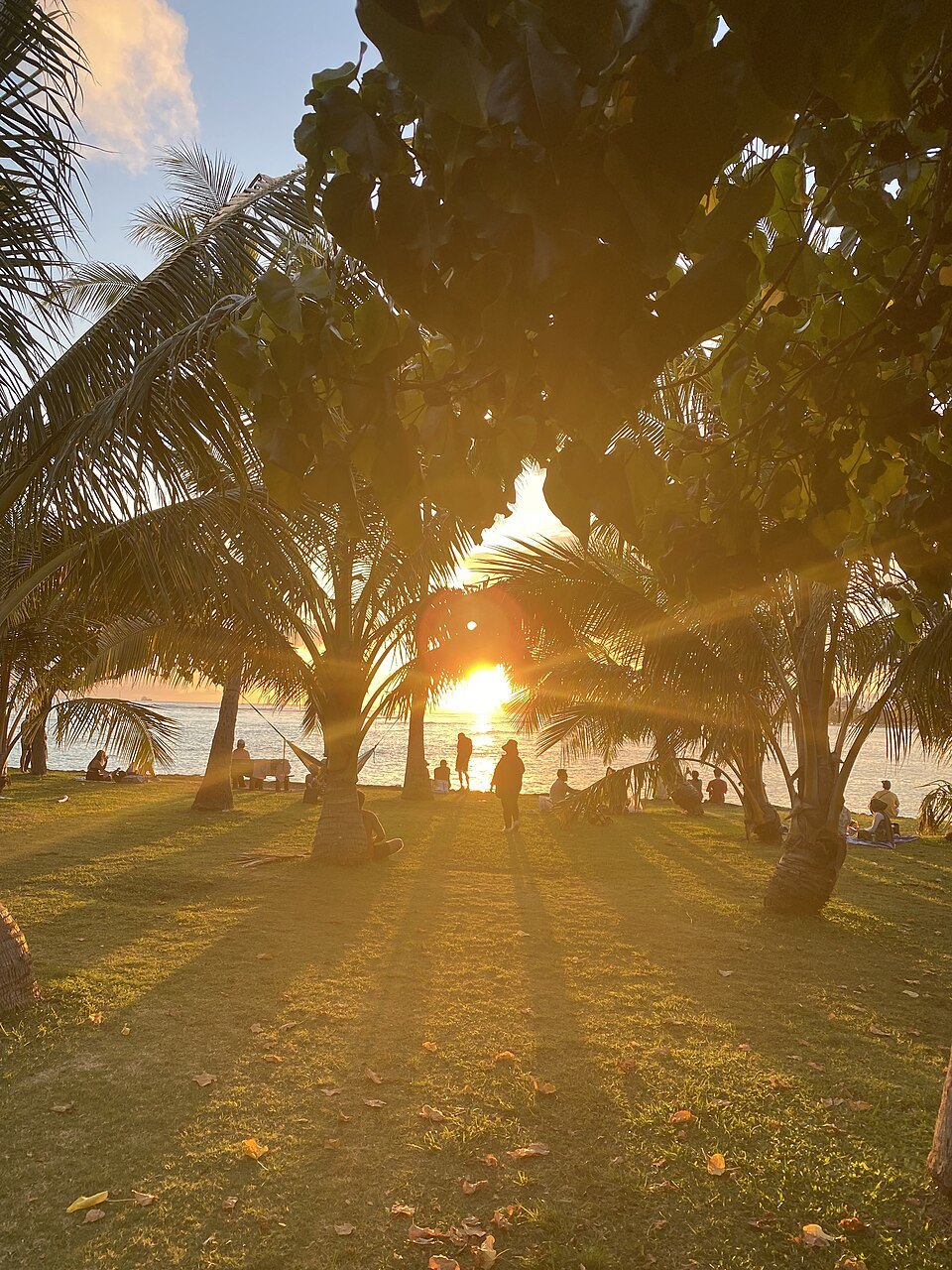
For the beaches themselves, including where weaker swimmers tend to do best, see the separate page on Waikīkī. For a sense of how conditions shift through the year along the south shore, see when to come before you plan your trip around the tides and the season, not just the forecast you saw at home.
More from the journal
- The OceanWhere can beginners swim safely in Honolulu?The calmest water in the city for children and weak swimmers, what makes each beach easy or tricky, how to read the lifeguards' signs, and the reef, jellyfish and sunscreen rules to know before you get in.Read the piece
- The OceanHow do you spot and escape a rip current at a Honolulu beach?How to read Honolulu's beach warning signs, spot a rip current, and swim free of it safely.Read the piece
- Getting AroundDo you need a car in Honolulu?Why most visitors can see Honolulu without a car, what TheBus, Skyline, bikes and taxis cover, where a car makes sense, and how to rent one for just the days you need it.Read the piece