Read on
The short answer
Eat what the city eats. Honolulu's everyday food, what people here call local food, grew on the sugar and pineapple plantations, where workers from China, Japan, Korea, the Philippines, Portugal and Puerto Rico cooked side by side with Native Hawaiians and Americans. The result is a handful of dishes you will find all over the city and almost nowhere else in the same form. If you have only a few days, start with six: a plate lunch, a bowl of poke, a bowl of saimin, a malasada, a shave ice and a plate of Hawaiian food.
None needs a reservation, and most are sold at counters, drive-ins, markets and bakeries rather than restaurants. The eating and drinking page tells the fuller story.
A plate lunch
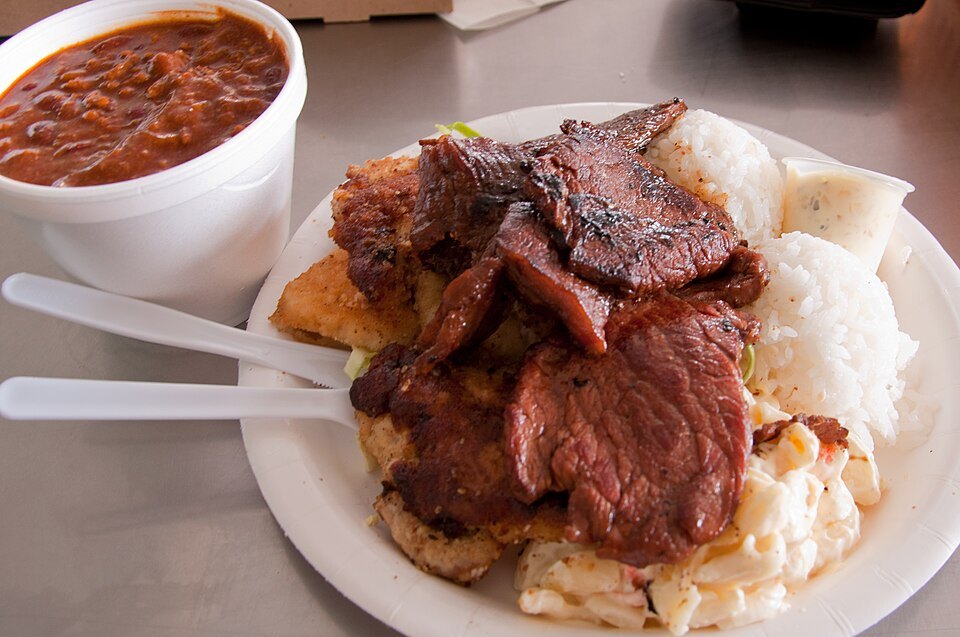
The plate lunch is the city's everyday meal, and the place to begin. A standard plate is one or two scoops of white rice, a scoop of macaroni salad, and a main dish, usually in a Japanese or Korean style: chicken katsu, teriyaki beef or chicken, or kalbi short ribs. Order two mains and it becomes a mixed plate. It is roughly the islands' answer to a Southern meat-and-three or a Japanese bento box. The kalbi has its own history: Korean immigrants brought kimchi to the islands and built barbecue pits for marinated meats.
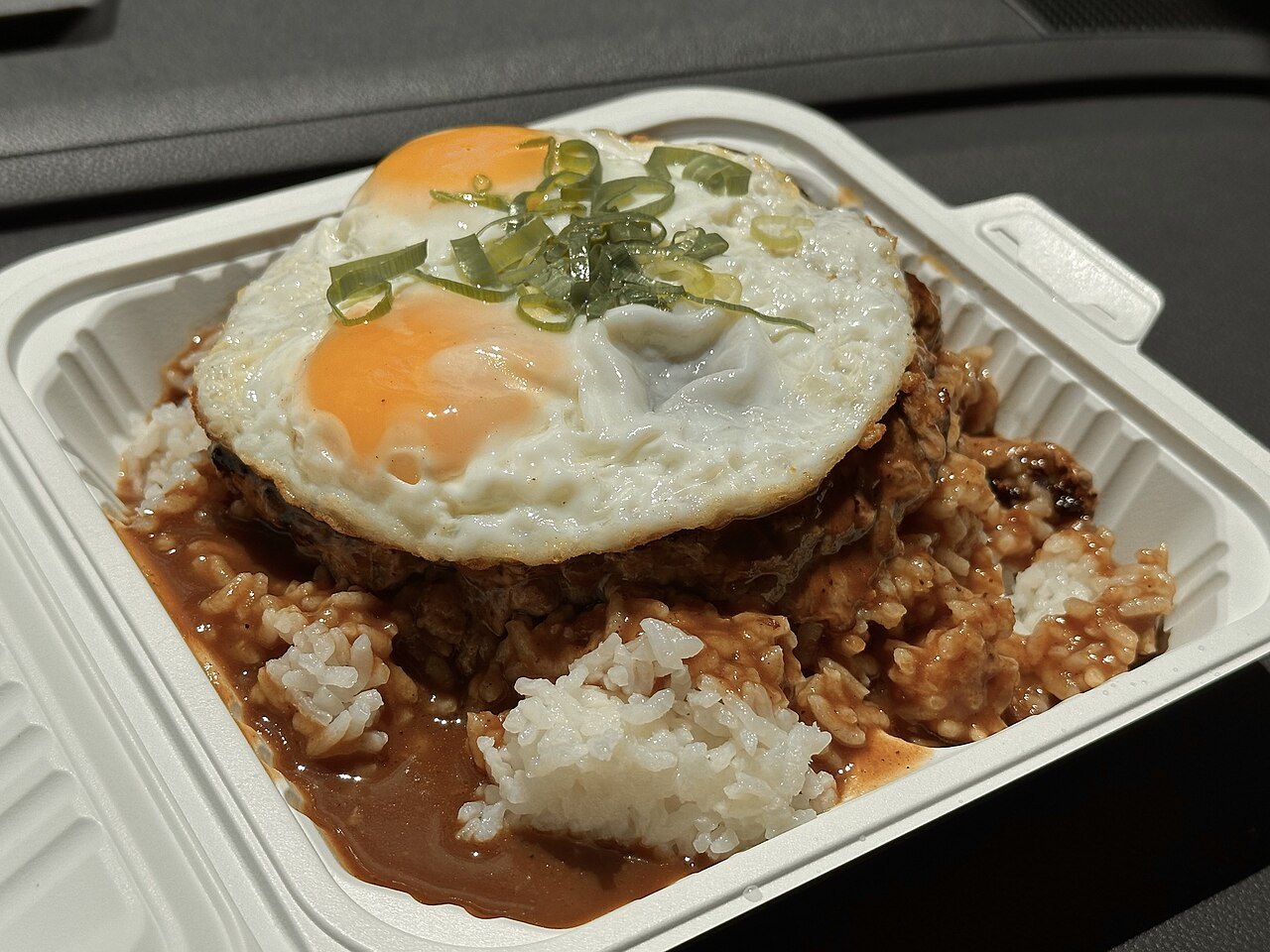
Diners and drive-ins began serving local food alongside American fare from the 1960s, among them Rainbow Drive-In and the L&L chain, and a plate lunch from a takeout window, eaten on a bench or at the beach, is the most Honolulu of meals. Close relatives are the loco moco, rice topped with a hamburger patty, brown gravy and a fried egg, and Spam musubi, a slice of fried Spam on a block of rice wrapped in nori, sold as a snack all over the islands.
Poke
Poke is diced raw fish, most often ʻahi tuna, tossed with seasonings. The word is Hawaiian for “to slice” or “to cut crosswise into pieces.” It began as a way of preserving raw fish with sea salt and seasonings such as seaweed and roasted kukui nut; in the 1970s it became a snack to have with beer or bring to a party, and now it is sold across the city, from fish markets to supermarkets.
Unlike sashimi, it is rough-cut and piled up, and it can be made from less expensive cuts, so it is not a luxury. Have it over rice as a poke bowl for lunch, or buy a little and eat it on the beach.
Saimin
Saimin is a noodle soup of the plantation era, and a test of how local you want to go. Soft wheat egg noodles are served in a hot dashi broth, the Japanese stock, garnished with green onion and a thin slice of kamaboko fish cake; modern versions add more. It is comfort food, eaten at any hour, for breakfast, lunch, dinner or late at night, and it appears on menus from fast-food counters to upscale restaurants. Some bowls come with Spam, a reminder of how popular Spam has been in the islands since it arrived with American servicemen.
A malasada and a shave ice
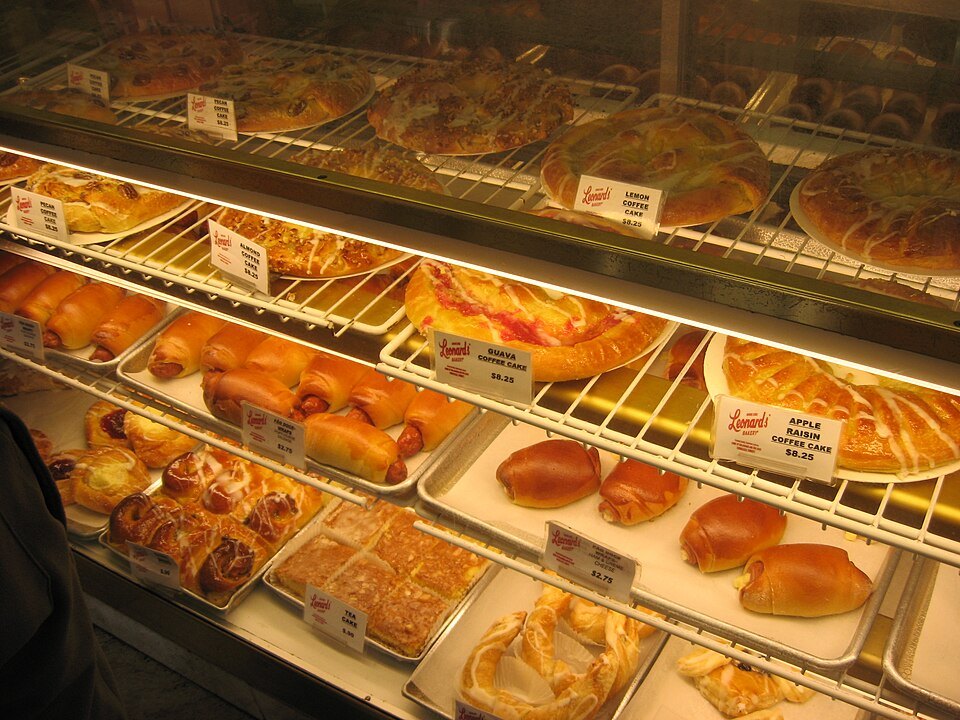
Portuguese immigrants, who came from the Azores in the late nineteenth century, brought sweet bread and malasadas, fried doughnuts rolled in sugar, traditionally made to use up lard and sugar before Lent. Bakeries around the city fry them fresh; Leonard's Bakery is one of the best known, and Liliha Bakery and Kamehameha Bakery are others. Eat one warm.
For the afternoon, shave ice: a block of ice shaved so fine that flavored syrup soaks all the way through it instead of sinking to the bottom, as it does in a crushed-ice snow cone. It comes from the Japanese dessert kakigōri, and there is no better thing to eat after a hot walk.
A plate of Hawaiian food
Finally, eat what the islands ate before everyone else arrived. For centuries the center of the Hawaiian diet was taro, and poi, cooked taro pounded into a smooth purée, is still much loved. Order a plate of Hawaiian food and it will come with poi and dishes such as laulau, pork or fish wrapped in leaves and cooked slowly, as food once was in the imu, the underground oven; lomi salmon, cubed salt salmon mixed with tomato and onion; and, often, raw fish.
Several local restaurants have served Hawaiian food since just after the Second World War. If you go to a lūʻau, you will taste versions of these dishes too, but a small restaurant is the place to try them as a meal.
Something to take away
Before you leave, try the snacks the plantations left behind. Crack seed is a whole category of Chinese-style preserved fruits, sold by weight in small shops and supermarket aisles. Manapua, the local version of char siu bao, is two or three times the size of the Cantonese original and comes with fillings from roast pork to Okinawan sweet potato; manapua vans once sold them from the roadside, long before food trucks were fashionable. Filipino dishes such as adobo, cooked with vinegar and garlic, and Korean barbecue and kimchi are as much a part of the city's food as poke, and you will find them on plate-lunch menus everywhere.
For dessert at a lūʻau or a bakery, look for haupia, a firm coconut-cream pudding thickened, in the old way, with Polynesian arrowroot.
Where to look
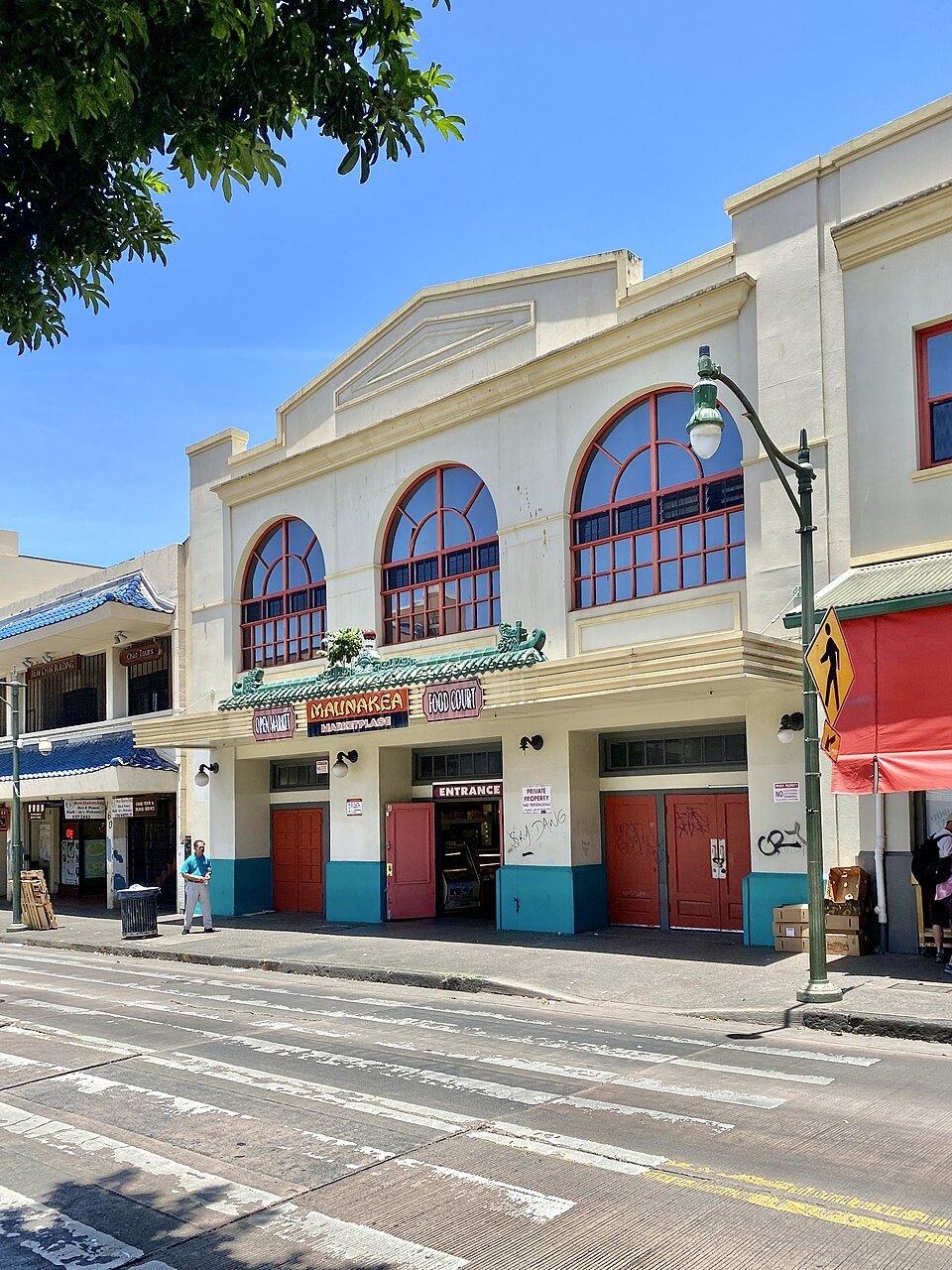
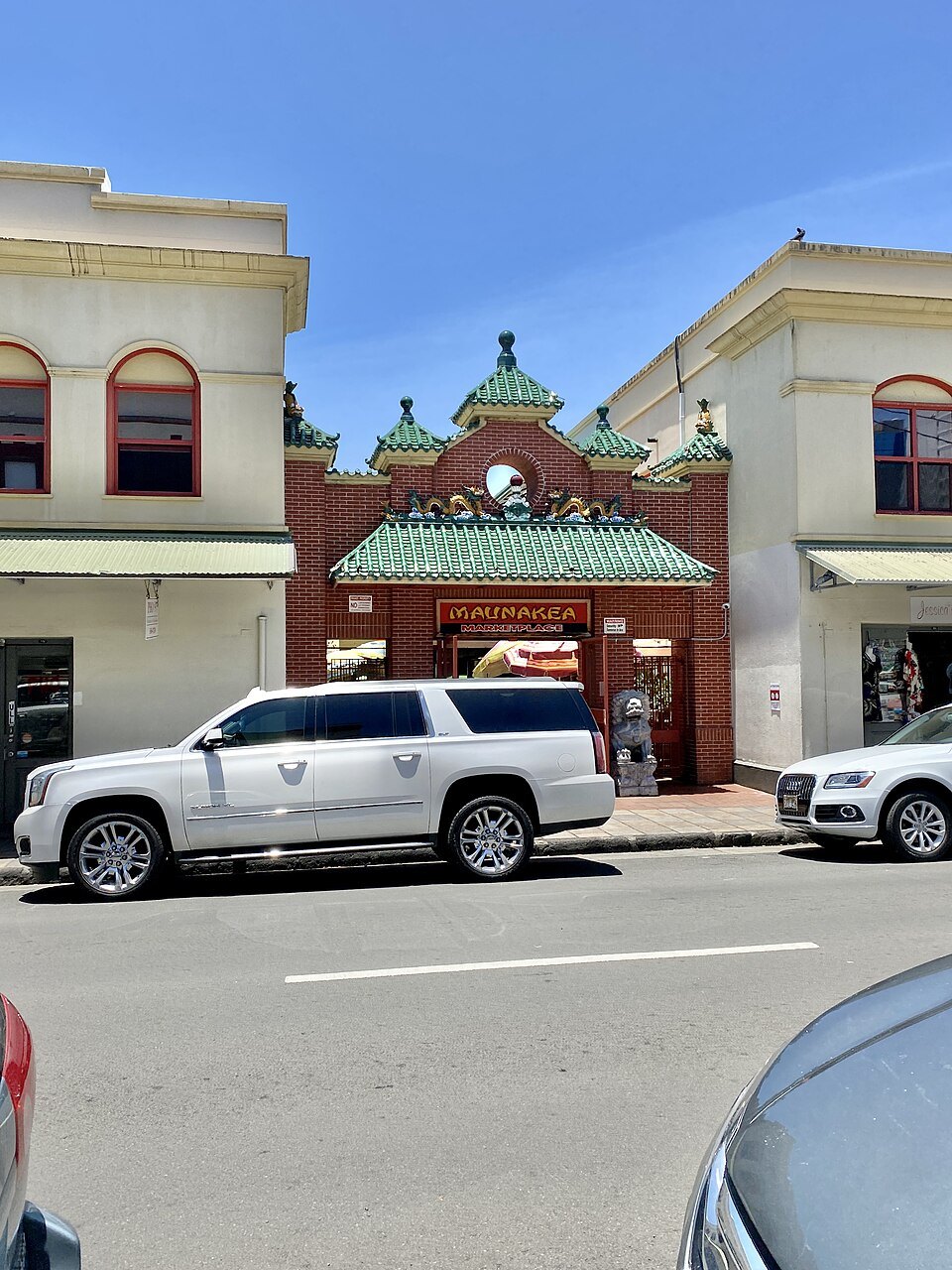
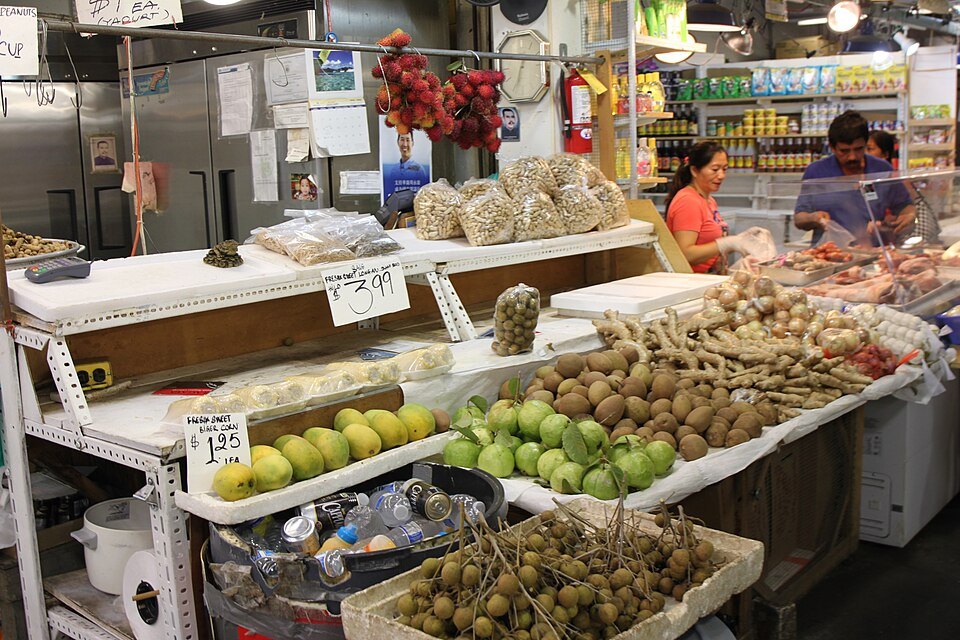
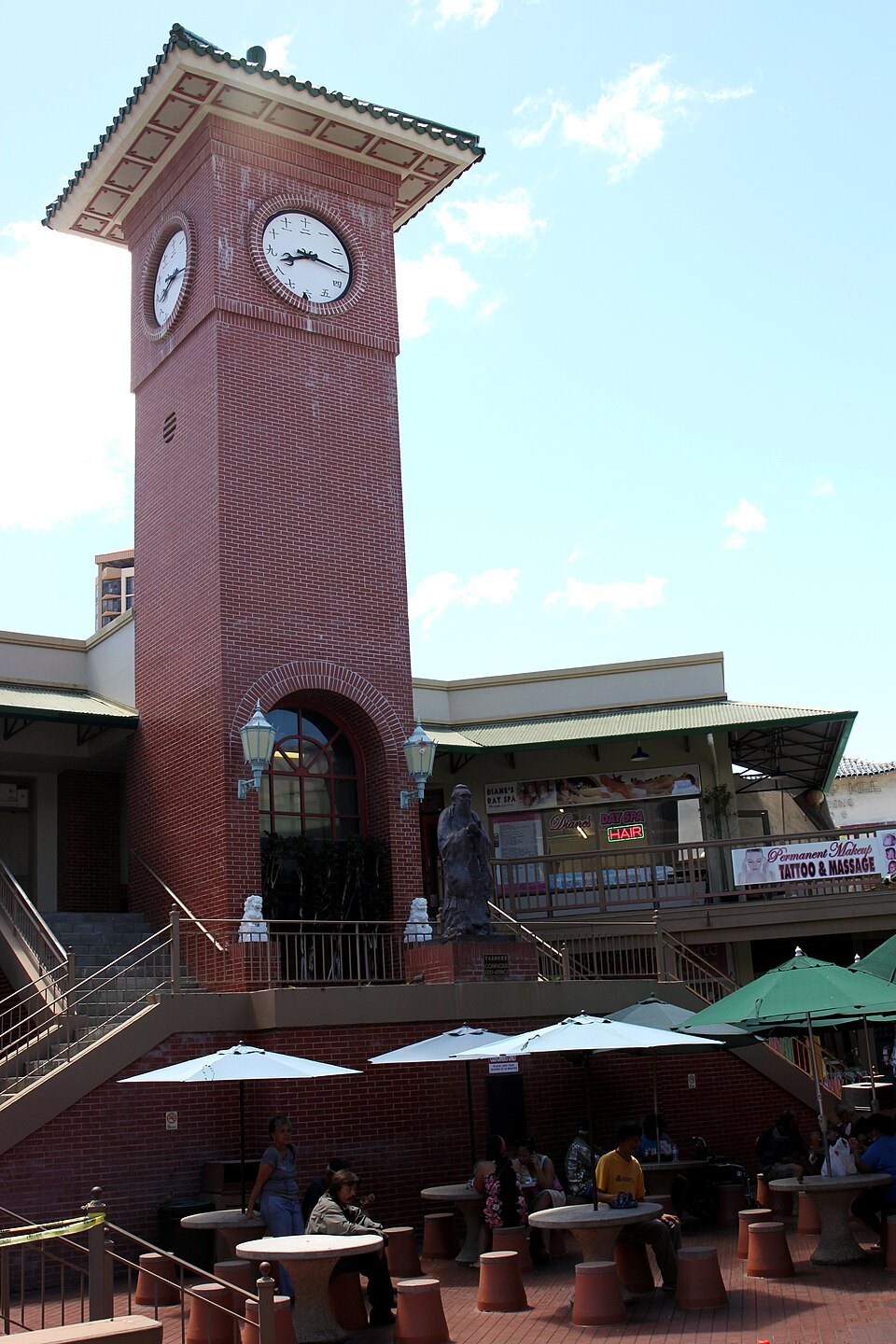
Chinatown is the best single place to eat your way through the city's history: the Oʻahu Market for fish and produce, noodle shops, bakeries and manapua, the islands' name for Cantonese char siu bao. Kakaʻako has newer cafés among its murals, and Waikīkī has counters as well as grand hotel dining rooms. After a swim, see where beginners can swim safely, and after lunch in Chinatown, walk to the kingdom's buildings a few blocks away; what happened to the Hawaiian Kingdom shows the way.
This site gives no prices. Food in Honolulu is generally expensive, because the islands import most of what they eat, so counters, markets and plate-lunch windows are also the best value in the city.
More from the journal
- The KingdomWhat happened to the Hawaiian Kingdom, and where can you see it in Honolulu?How the kingdom was founded, how it ended in 1893, and a walk through the downtown blocks where its palace, government house, royal church and the queen's house still stand.Read the piece
- The OceanWhere can beginners swim safely in Honolulu?The calmest water in the city for children and weak swimmers, what makes each beach easy or tricky, how to read the lifeguards' signs, and the reef, jellyfish and sunscreen rules to know before you get in.Read the piece
- Getting AroundDo you need a car in Honolulu?Why most visitors can see Honolulu without a car, what TheBus, Skyline, bikes and taxis cover, where a car makes sense, and how to rent one for just the days you need it.Read the piece