Read on
A landmark built from the reef
Kawaiahaʻo Church stands near ʻIolani Palace in downtown Honolulu, and its walls are not wood, brick, or quarried stone but coral, cut long ago from the reef that lies just offshore. For visitors accustomed to churches built of granite or timber, this material is usually the first thing noticed, and the explanation for it lies in what builders in Honolulu actually had on hand during the early decades of the Hawaiian Kingdom.
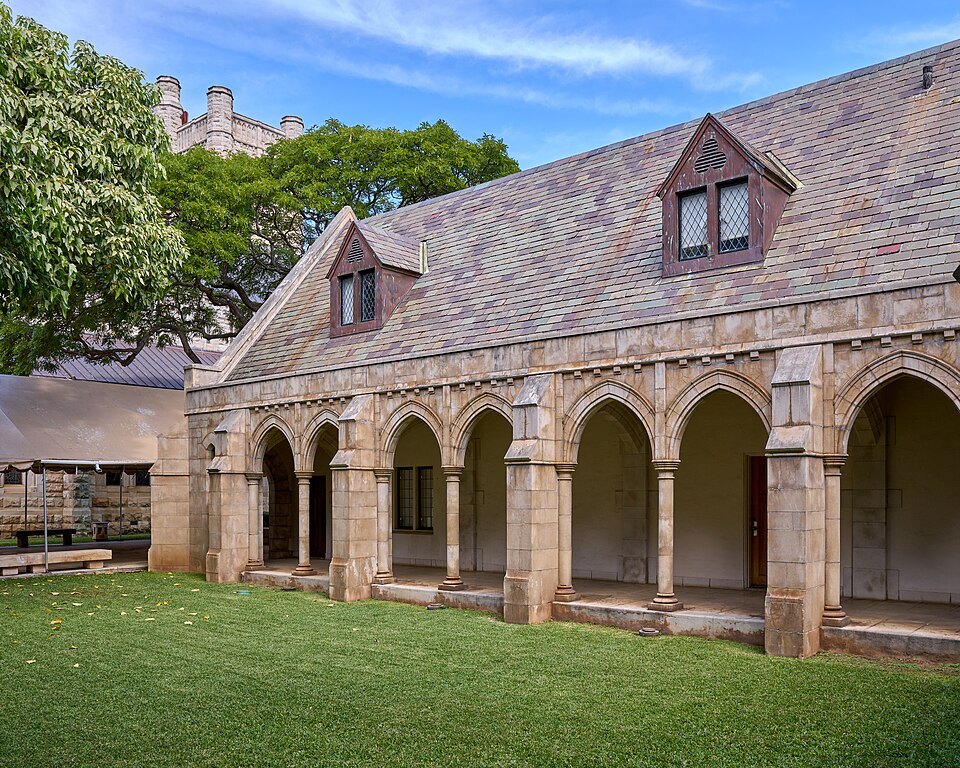
Oʻahu had no deposits of stone suited to a large, permanent building, and the island's native woods, useful for smaller houses, decayed quickly in the humid climate and were vulnerable to insects. Coral, abundant in the shallow reef close to shore, offered a workable alternative that could be shaped and set much like quarried stone, and it became the material of choice for the handful of grand buildings raised in Honolulu as the kingdom modernized.
The result is walls built up far thicker than timber construction would ever have required, pale in color and distinct from the wood-frame buildings that once stood nearby. For the precise history of how the material was quarried and worked, the church office is the best place to ask, and its record goes back to the building's construction in the kingdom era.
Raising the coral walls
Building in coral meant cutting it from the reef bed close to shore, a laborious process carried out largely by Hawaiian congregants and laborers, working under the direction of the American missionaries who had helped establish the church. The blocks were hauled to shore and set much as quarried stone would have been, over a project that took years to finish.
Accounts of exactly who built the church and how, block by block, vary in detail, and the fuller story is best confirmed at the church itself. Visitors curious about the construction should ask at the church office, which can point to the documented history of the building and the mission it grew from.
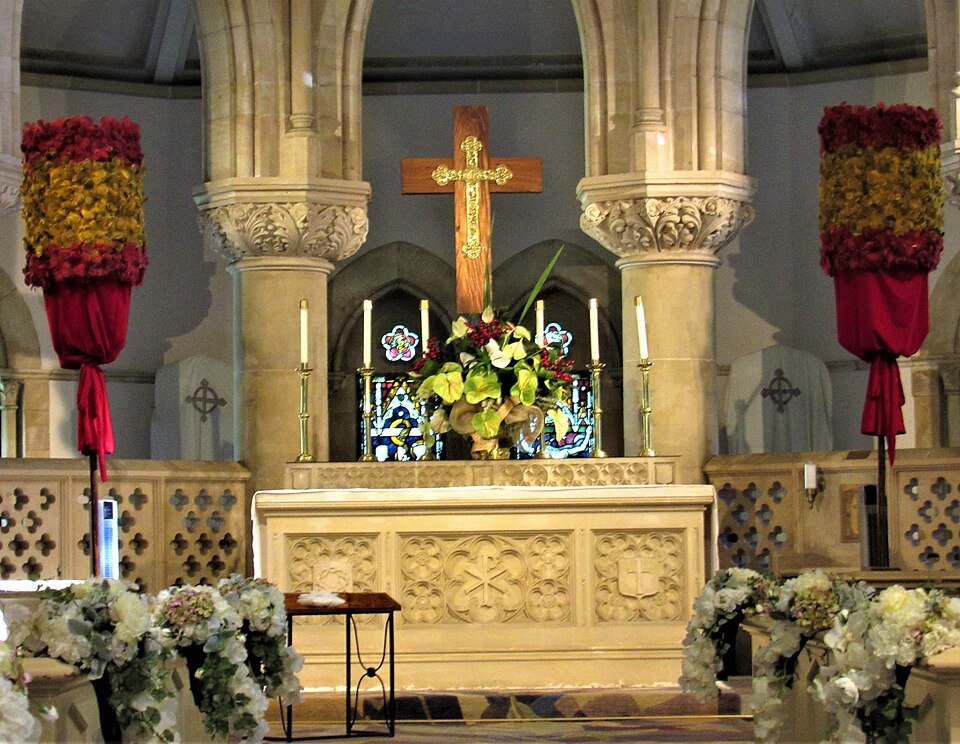
What is clear from the result is that the finished walls are far thicker than ordinary timber construction, and that this thickness, together with the pale color of the coral, is what still sets Kawaiahaʻo apart among Honolulu's older buildings, most of which have long since been rebuilt in other materials.
A church ordered by the king
Kawaiahaʻo had been the site of earlier, smaller churches built of grass and thatch, and Kamehameha III wanted something permanent in their place. The project unfolded in the same years the king was remaking the kingdom's institutions: he proclaimed its first constitution in 1840, a second in 1852, and moved the court and capital to Honolulu in 1845.
The new coral church reflected that same push toward permanence, standing alongside the handful of other masonry buildings that were beginning to replace Honolulu's older structures of grass and wood as the capital grew up around the king's court and its growing foreign community of traders, missionaries, and officials.
It stands today as one of the oldest surviving buildings from that transformation, a direct link to the decades when Kamehameha III turned a chiefly seat of government into something closer to a modern capital, with permanent buildings to match the new constitution and laws, and the land reforms of the 1848 Great Māhele.
Where the kings took their oath
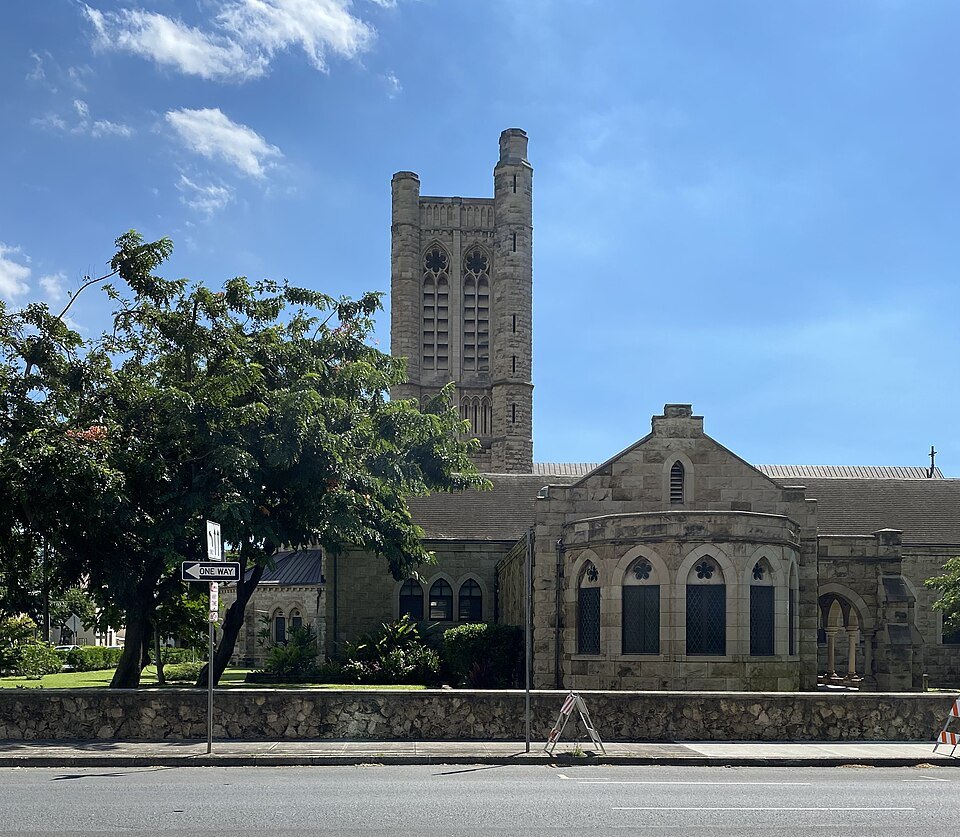
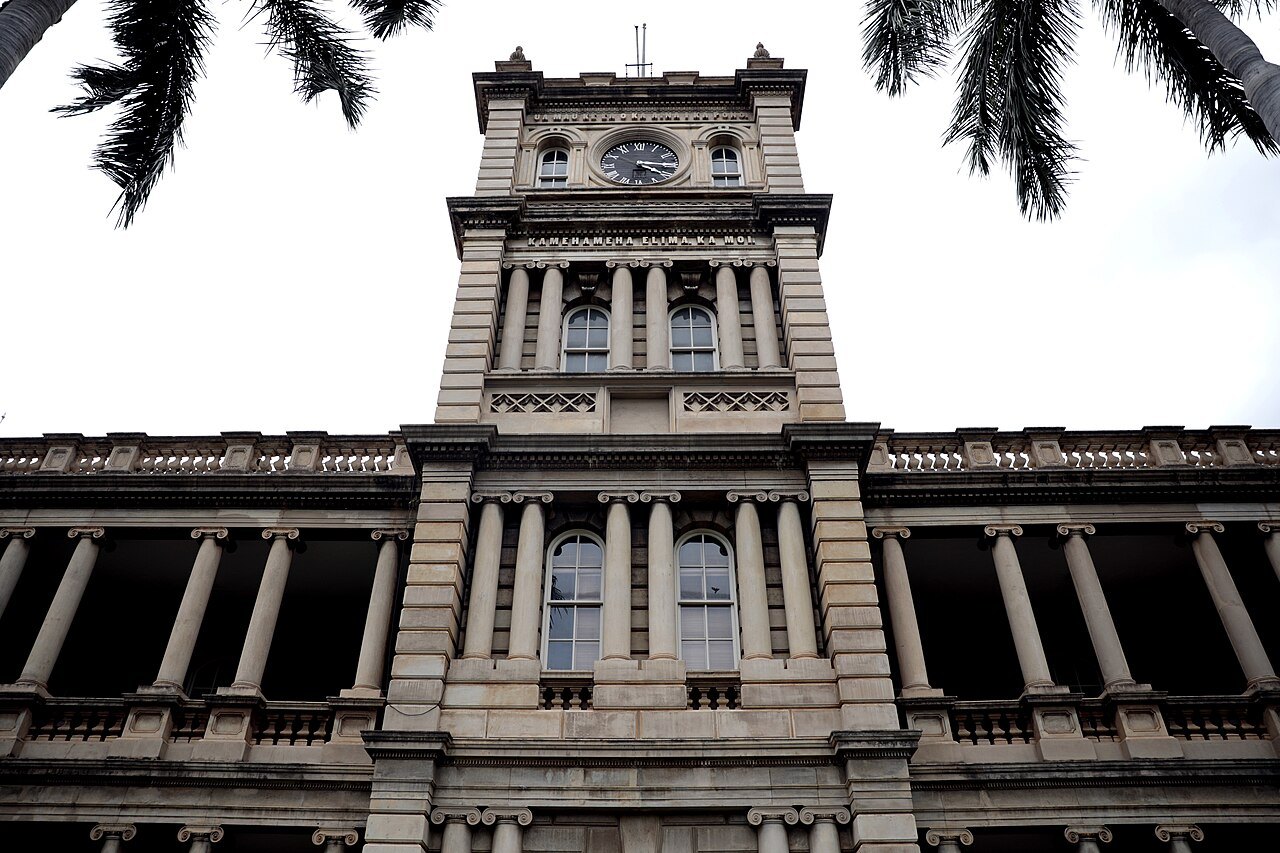
Kawaiahaʻo Church became the kingdom's foremost church, used for the coronations, weddings, and funerals of its rulers, and for the oaths kings took on assuming the throne. Its location, close to ʻIolani Palace and to Aliʻiōlani Hale with its statue of Kamehameha I, placed it at the center of the kingdom's civic and religious life.
That closeness to the throne meant the church also stood near events it did not choose. It was a short walk from the ground where the kingdom's last constitutional crises played out, from the Bayonet Constitution forced on Kalākaua in 1887 to the overthrow of Queen Liliʻuokalani in 1893.
The palace itself, a short walk away, is where that history is told in the most detail, and a visit to the church makes a natural pairing with a tour there, or with a longer walk through downtown Honolulu's other kingdom-era sites, including Washington Place, the home of the last queen.
A working congregation, not only a monument
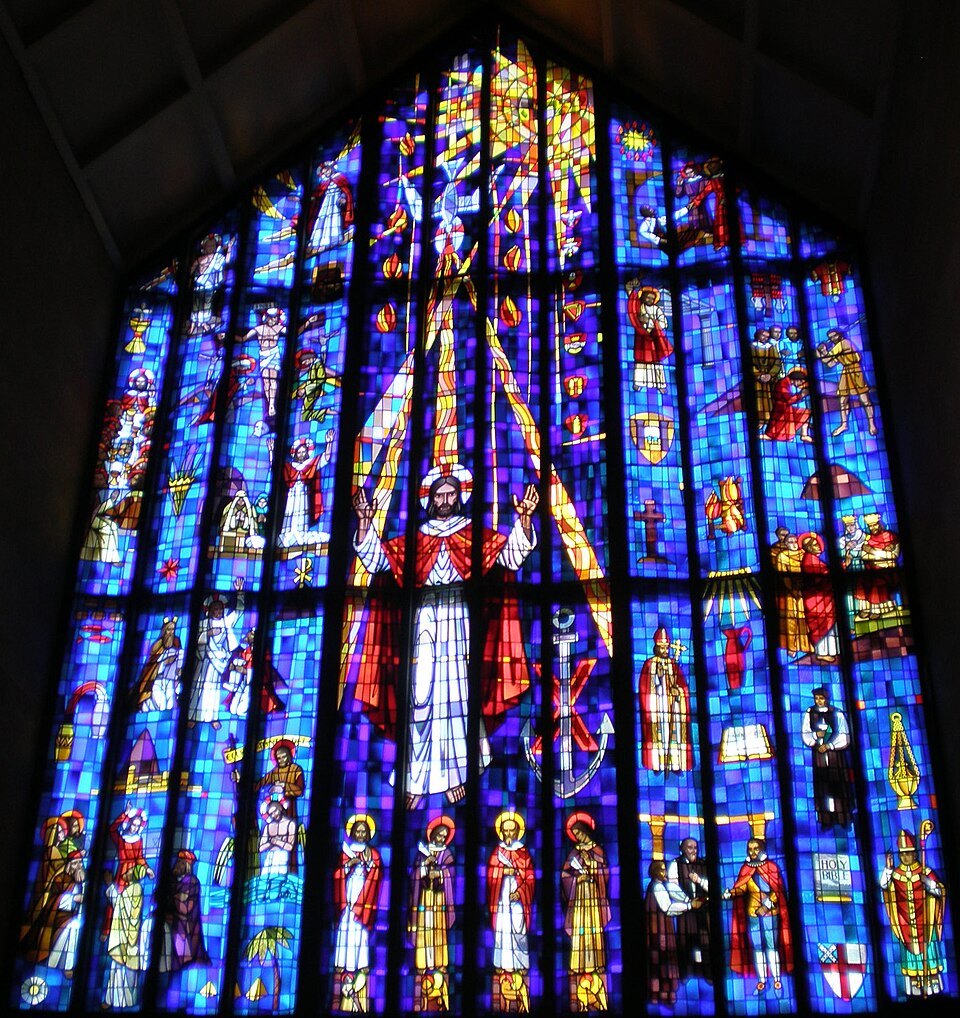
Kawaiahaʻo Church is not only a monument from the kingdom era; it remains an active congregation, and services in the Hawaiian language have continued there for generations, a point of continuity that many Native Hawaiian families still value, long after the political institutions that once surrounded the church changed hands.
The coral walls survived the overthrow of 1893, the Republic of Hawaiʻi, annexation to the United States, the territorial years, and statehood in 1959, essentially unchanged in form even as the government around the building was dismantled, renamed, and rebuilt more than once across more than a century.
Visitors should treat the church with the same restraint given to any working place of worship, planning a visit with that in mind rather than approaching the building only as a historic sight to be photographed from the street or the churchyard outside, and keeping voices low if a service happens to be under way.
Visiting Kawaiahaʻo Church
The exterior and the churchyard, which holds the graves of missionary families, can generally be viewed by visitors, but hours for entering the building itself, and any rules on photography or dress inside, are set by the congregation, so check current details with the church office before planning a visit.
The church sits within easy walking distance of ʻIolani Palace and downtown's other kingdom-era sites, making it simple to combine a stop here with a longer walk through that part of the city on the same morning or afternoon, without needing a car to move between them.
For a fuller account of what to expect on site, including access and how the church fits into a longer walk through downtown Honolulu's kingdom-era sites, see the dedicated page on Kawaiahaʻo Church, which sets out what else stands nearby.
Part of a wider kingdom-era walk
Kawaiahaʻo Church is best understood as one stop among several from the kingdom era that remain close together in downtown Honolulu. ʻIolani Palace, Aliʻiōlani Hale with its statue of Kamehameha I, and Washington Place beside the State Capitol all stand within an easy walk of the church, and together they tell the fuller story of the kingdom's rise and fall.
Washington Place was Queen Liliʻuokalani's home, and it was there she was arrested in January 1895 before being tried and imprisoned for nine months in a room of her own palace; the house still stands beside the State Capitol, a reminder of how closely the kingdom's institutions and the last monarch's daily life were bound together in this small part of the city.
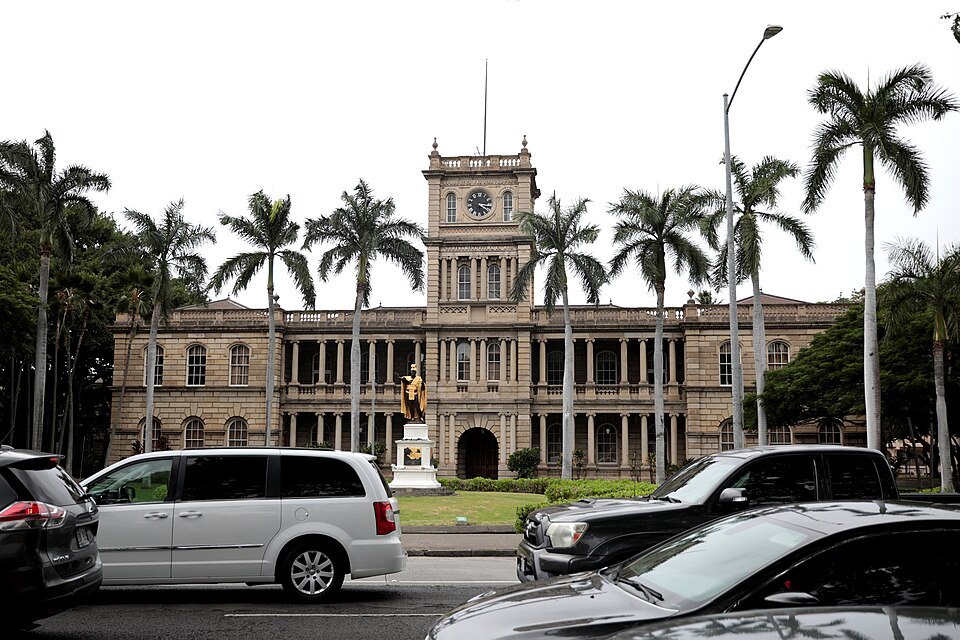
Visitors with half a day to spend downtown can walk this whole circuit on foot, pairing the coral church with the palace tour and the grounds around Aliʻiōlani Hale, treating each stop as part of a single, connected history. For the fuller account of that history, see the page on the kingdom itself.
More from the journal
- The KingdomWhat happened to the Hawaiian Kingdom, and where can you see it in Honolulu?How the kingdom was founded, how it ended in 1893, and a walk through the downtown blocks where its palace, government house, royal church and the queen's house still stand.Read the piece
- ʻIolani PalaceWhat will you see on a tour of ʻIolani Palace?What to expect from a tour of ʻIolani Palace, room by room, from the throne room to the queen's imprisonment cell.Read the piece
- The KingdomWho was Queen Liliʻuokalani?The sister of King Kalākaua who became Hawaiʻi's last reigning monarch, then was deposed, tried, and held in her own palace.Read the piece