Read on
The season on the calendar
The central Pacific hurricane season runs from the first of June to the end of November, with its peak in August and September. It covers nearly the whole of the warmer half of the year, so any visitor arriving in summer or early autumn is technically visiting during hurricane season, whatever the weather that week.
The name suggests more drama than the islands usually see. Tropical storms form in the region, or drift into it from farther east, on average three or four times a year, but most stay well offshore or fade before they reach Oʻahu. A storm can dominate the news for days without ever touching the coast.
Direct hits on the islands are rare. The last hurricane to strike near Honolulu was Iniki, in 1992, a storm still spoken of decades later precisely because nothing like it has happened since. That rarity is worth remembering when a forecast map looks alarming on a screen in a hotel lobby.
Visitors sometimes assume hurricane season means the islands are routinely battered, but the record argues otherwise. Honolulu's weather in these months is usually the warm, dry, trade-wind weather typical of summer, with a storm an occasional and short-lived exception rather than the rule in most years, even in the peak weeks of August and September.
How a storm would actually reach you
If a system does track toward Oʻahu, the first signs are usually days of advance warning from local officials, carried on television, radio, and phone alerts, well before any wind or rain arrives. Visitors staying in Waikīkī or downtown should expect the same warnings everyone nearby receives, not a sudden surprise.
Should a storm threaten during a stay, the sensible response is to follow the instructions of local officials and the hotel directly, rather than guess. That can mean moving away from windows, staying off the beach and the roads, and waiting out a short closure rather than planning around a whole trip.
A little water and food kept on hand is reasonable for any such stretch, as it is anywhere storms happen. Expect flights and beach access to be affected for a day or two at most if a system does pass close, not for the length of an entire visit to Honolulu.
None of this requires special preparation beyond what any traveler packs: officials and hotels in Hawaiʻi handle these warnings often, and the routine of tracking a storm, posting notices, and lifting them again is well practiced, even though direct hits on Oʻahu remain uncommon from one year to the next.
A different storm, in a different season
It helps to keep hurricane season separate from the Kona storm, a winter phenomenon and a different kind of weather entirely. Kona storms come from the west, against the usual trade winds, mostly between October and early April, and the islands see two or three of them in an average year.
These storms can bring heavy rain, flash floods, and strong winds that last for several days, quite apart from anything on an Atlantic or central Pacific hurricane list. A Kona storm is a good reason to check stream and trail conditions, particularly in the valleys behind the city such as Mānoa.
So a visitor arriving in January need not think about hurricanes at all, but could still meet a multi-day spell of rain and wind from the opposite direction. Ask at the hotel desk which kind of weather, if any, is forecast, rather than assume that one kind of storm covers the other.
The two seasons do not overlap on the calendar: hurricane season runs through the warmer half of the year, while Kona storms belong to the cooler, wetter months described on the when to come page, when trade winds weaken and most of the city's modest annual rainfall falls in heavier bursts.
The ordinary weather underneath it all
None of this changes the basic character of Honolulu's climate, which is warm and comparatively dry, sheltered by the mountains from much of the rain that falls on the windward side. Average highs sit in the eighties through most of the year, and only a handful of days ever reach ninety or beyond.
The ocean stays warm in every month, from its coolest near seventy-six degrees in March to its warmest near eighty degrees in September, so the choice of when to swim is rarely about temperature at all. It is about wind, surf, rain, and, for a narrow slice of the calendar, the chance of a storm.
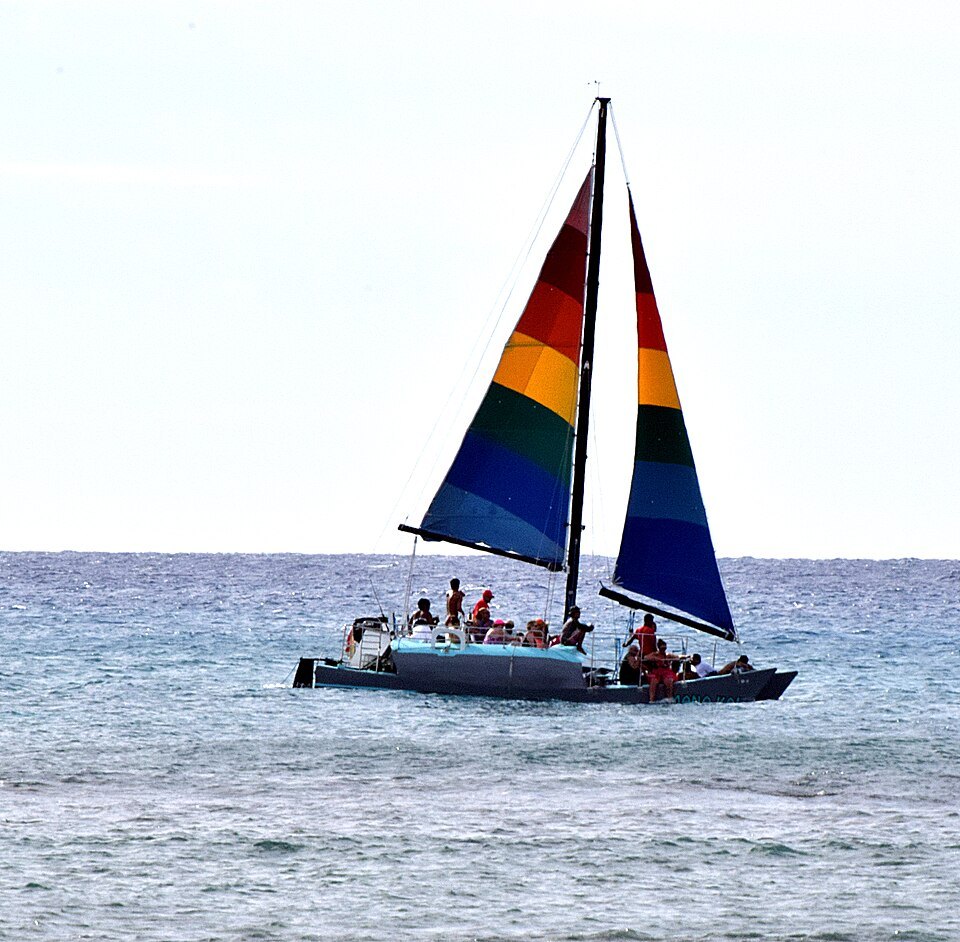
Hurricane season overlaps almost exactly with the sunniest, most reliable stretch of the year, the trade-wind months from about May to September. That overlap is part of why storms are rare rather than routine: the same winds that keep summer skies clear also tend to steer systems away from the islands.
Rain, when it comes in these months, tends to fall against the mountains rather than over the city itself, which is one reason the south shore beaches stay reliably sunny even while clouds sit over the ridges behind Mānoa and the coast beyond, a pattern the climate follows most of the year.
Planning without overreacting
Travel insurance that covers storm disruption is worth considering for a trip booked in late summer, simply because flights and schedules can shift if a storm approaches, even one that never makes landfall. It costs little to add, and nothing is lost if the season passes quietly, as it usually does.
Anything that genuinely needs an advance reservation, from a timed landmark entry to a popular tour, is worth arranging ahead regardless of the season; see booking ahead for what that covers. A hurricane watch rarely changes those plans, but it is one more reason not to leave everything to the final day.
Beyond that, the practical approach is simply to check: with the hotel at arrival, with local news during the stay, and with the airline if a flight falls near a forecast date. None of that requires rearranging a trip around a season that, most years, brings only a few cloudy, breezy days.
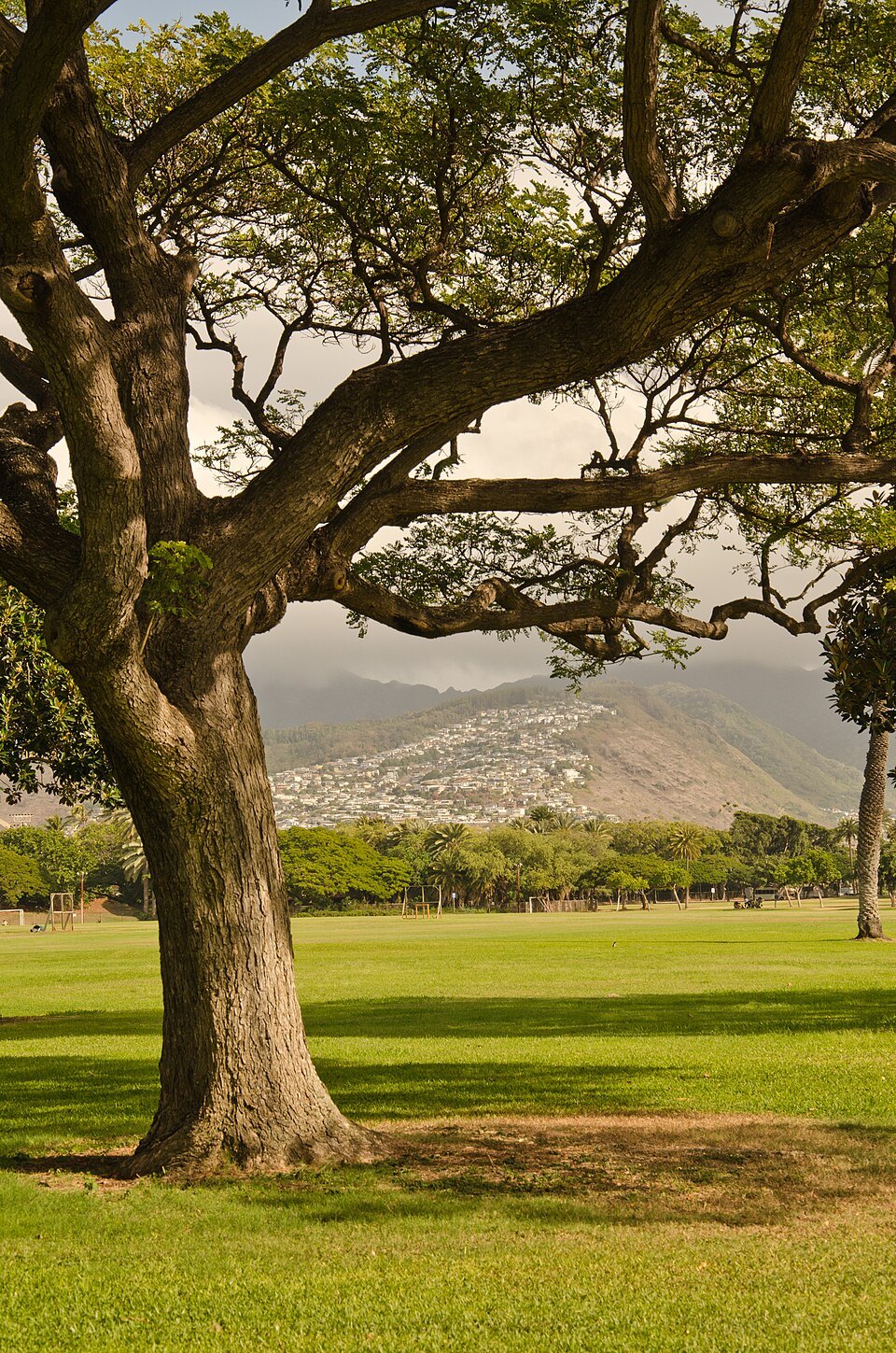
Checking need not mean watching the sky anxiously for a whole visit. A quick look at the forecast once or twice during a stay, and a question to the front desk if a storm is already in the news, covers nearly every situation a traveler is ever likely to meet.
So should it change a visit?
For most travelers, the honest answer is no. The odds, built on decades of record, favor a trip that passes without any storm at all, hurricane or Kona, and favor the warm water and steady sunshine the island offers through most of the year, in every neighborhood from Waikīkī to downtown.
The sensible precautions are modest: know the season's dates, keep half an eye on forecasts when visiting between June and November, and trust that the hotel and local officials will say what to do if anything develops. That is a smaller list of worries than many warm-weather destinations ask of their visitors.
A visitor planning around weather at all might simply choose, as many do, the drier trade-wind months for the most reliable days outdoors, from the sand at Waikīkī to the lawns of Kapiʻolani Park, and treat the small chance of a storm as a footnote rather than a reason to stay away.
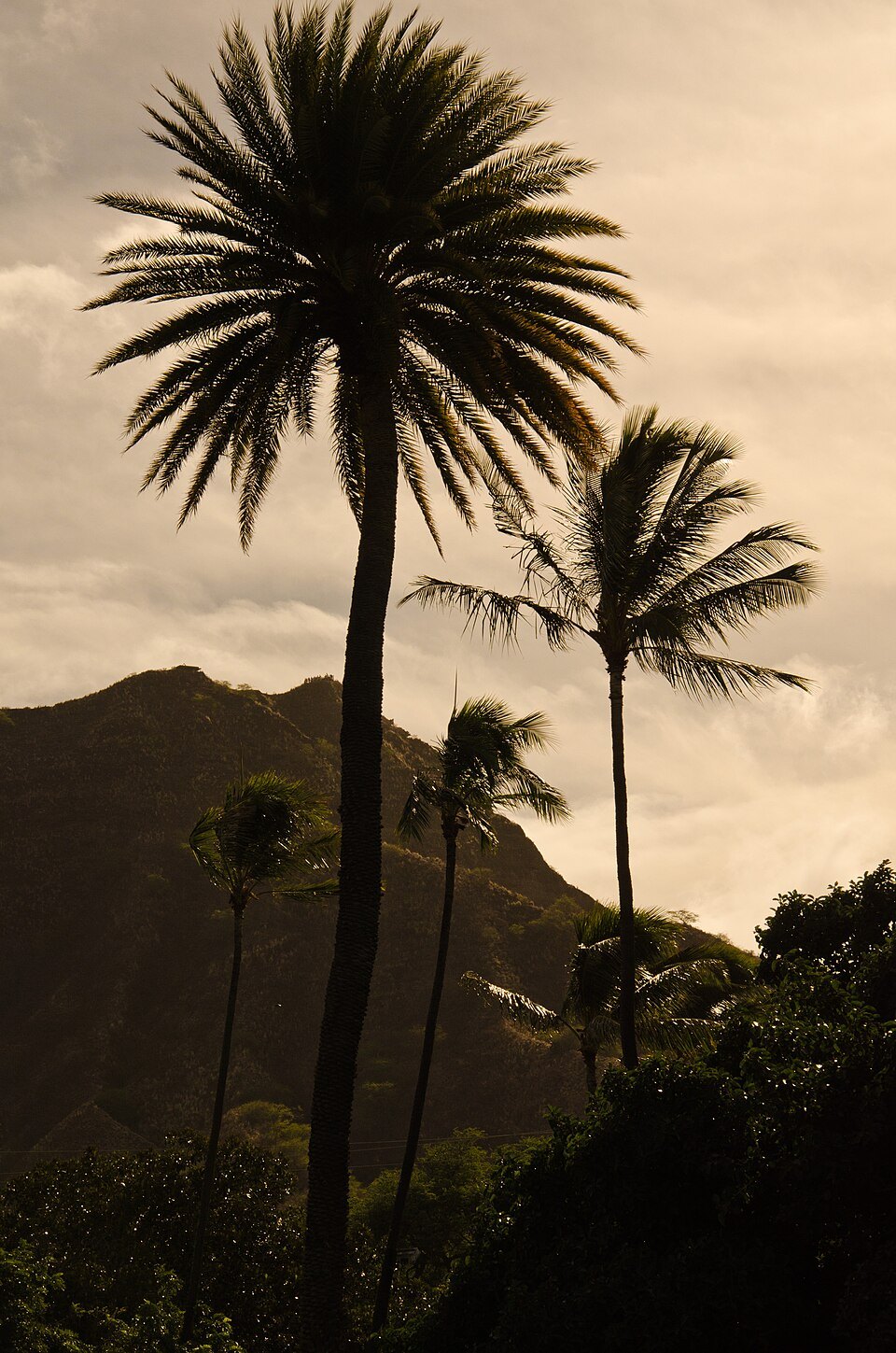
Whatever the month, the mechanics of a Honolulu trip stay the same: arrange anything that must be booked ahead, watch the ordinary forecast rather than only the hurricane list, and treat a quiet, dry week as the far more likely outcome than a disrupted one, in Honolulu as much as anywhere else.
More from the journal
- When to ComeWhat is the best month to visit Honolulu?How Honolulu's steady warmth, trade winds and festival dates shape the best month for a visit.Read the piece
- The OceanHow do you spot and escape a rip current at a Honolulu beach?How to read Honolulu's beach warning signs, spot a rip current, and swim free of it safely.Read the piece
- The OceanWhen do box jellyfish come to Waikīkī, and what should you do?Box jellyfish follow the moon, not the calendar: when they tend to arrive at Waikīkī, and how to find out before you swim.Read the piece